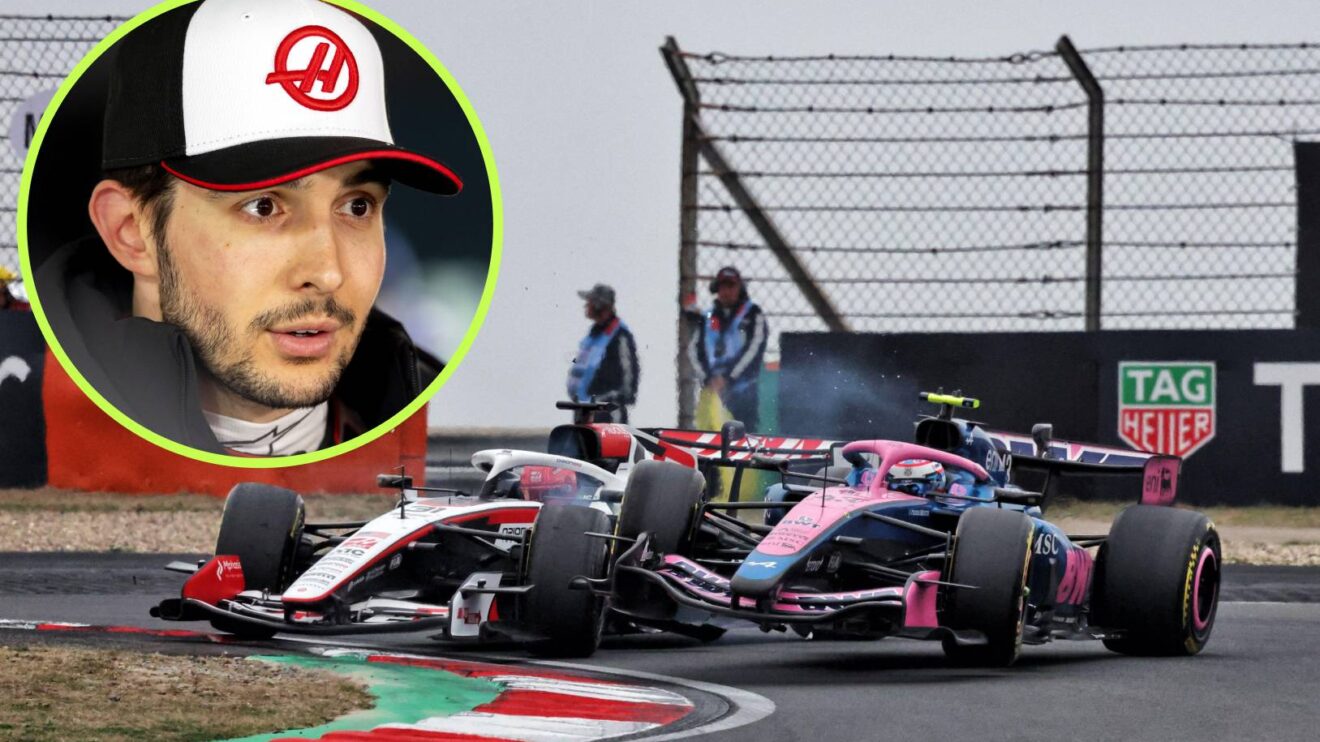
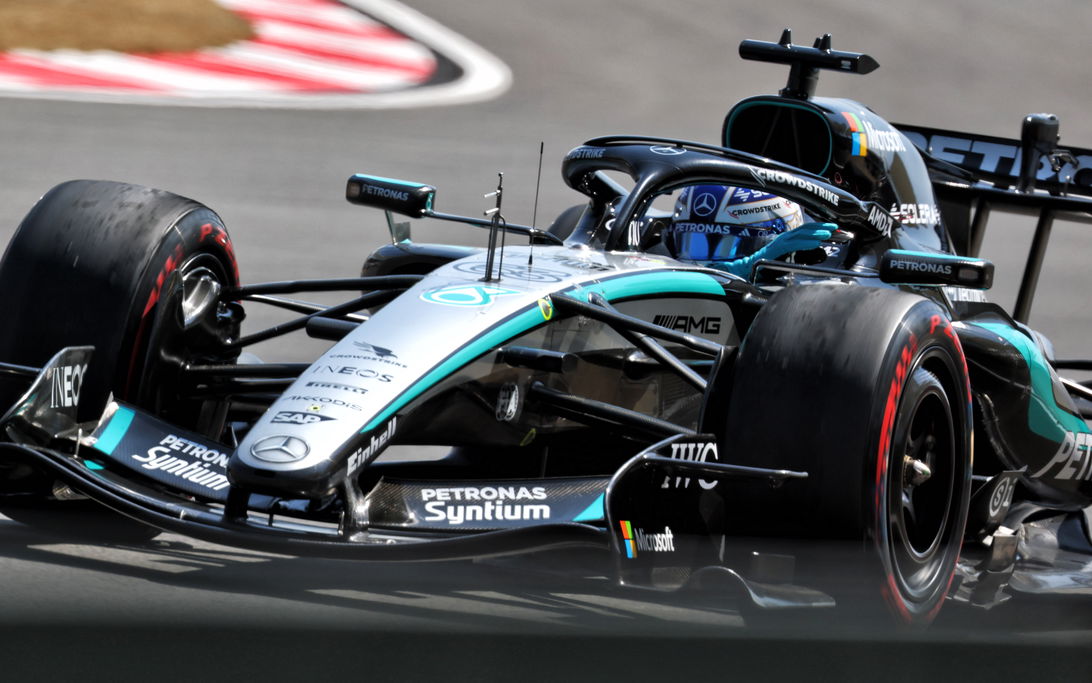
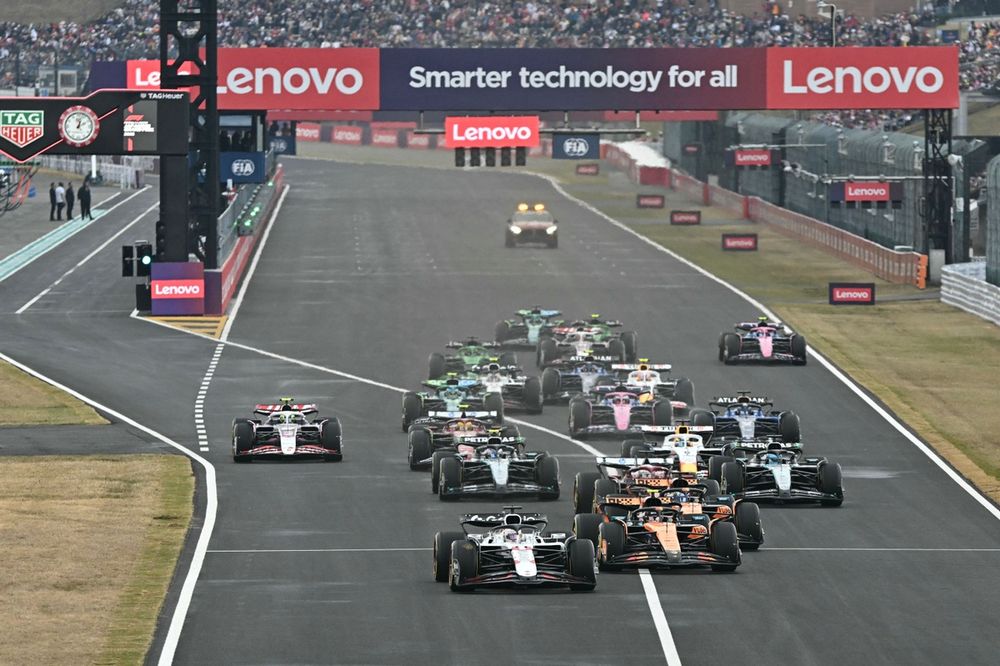
Responding to widespread criticism, the FIA has reduced the permitted energy recharge in qualifying from 9MJ to 8MJ for the Japanese GP. The last-minute change aims to limit the 'lift-and-coast' and 'super-clipping' tactics that have defined the new 2026 era, allowing drivers to attack the circuit more traditionally.
F1 has made an emergency change to qualifying energy limits for the Japanese GP, cutting the recharge allowance to reduce time spent 'super clipping' and let drivers push harder. The move addresses concerns that the new 2026 rules were making the single-lap shootout more about fuel saving than outright speed.
For the Japanese GP, the FIA has reduced the maximum energy recharge allowed during qualifying from 9.0 to 8.0 Megajoules. This unanimous, mid-season tweak is designed to limit strategic battery management and promote a more aggressive, driver-focused qualifying challenge under the new 2026 regulations.
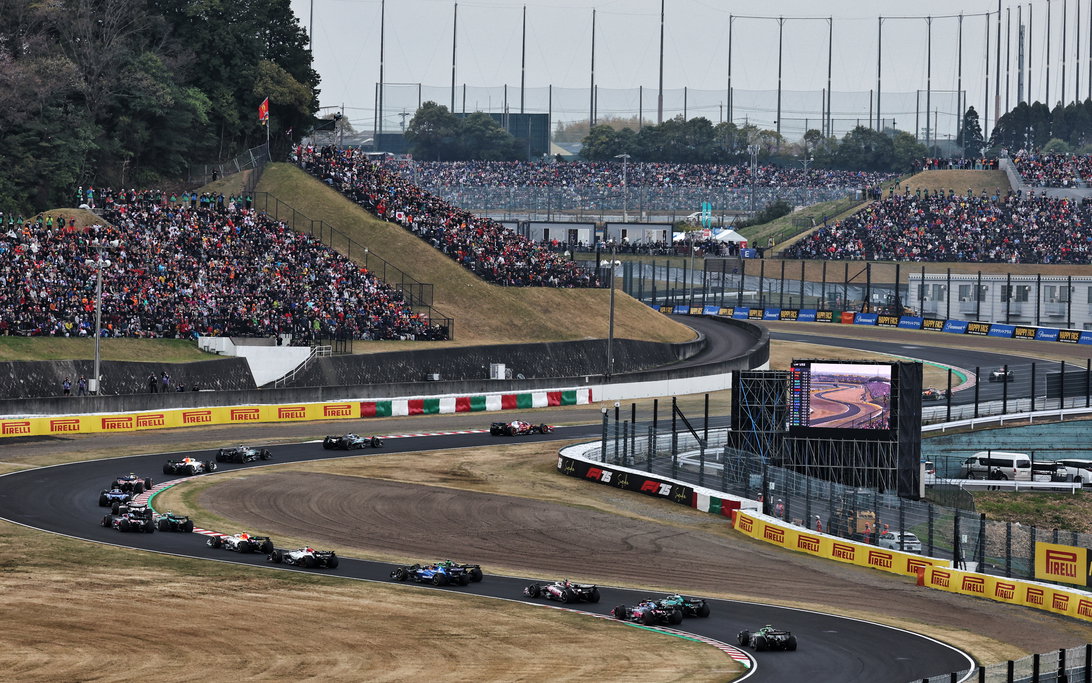
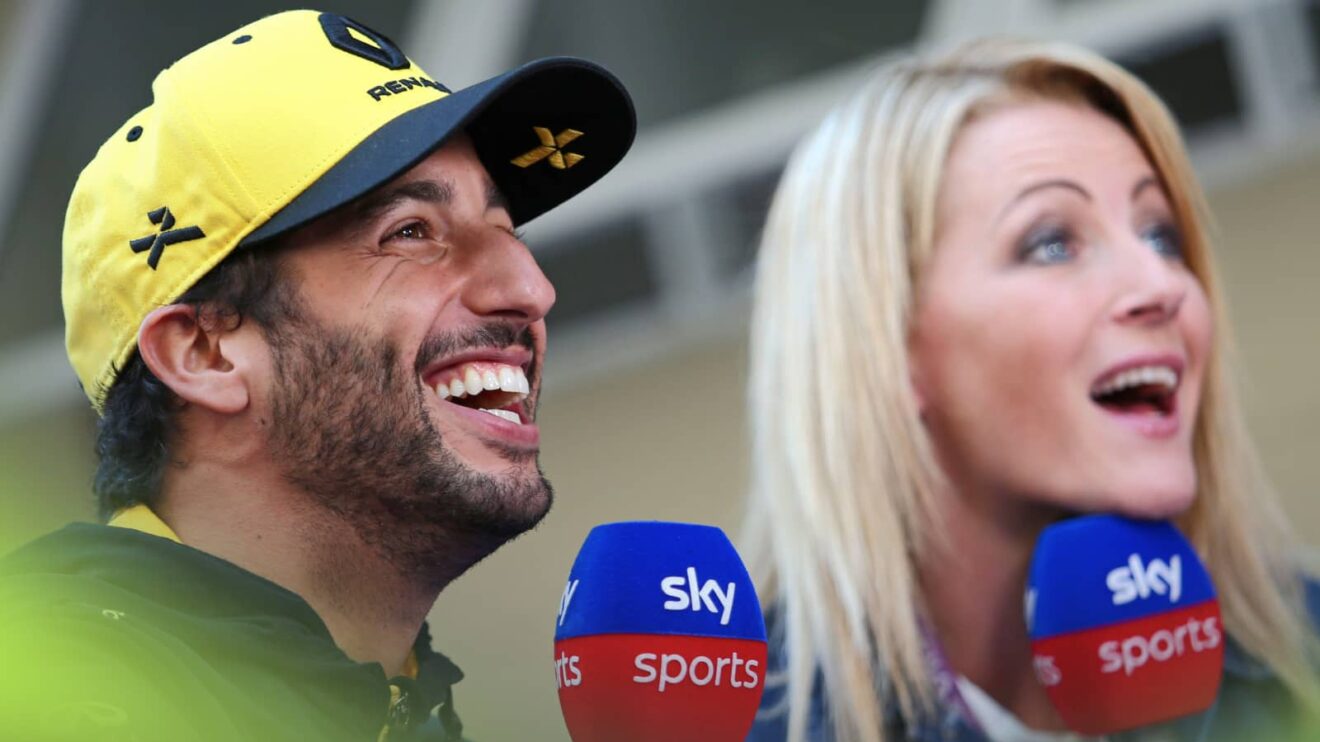
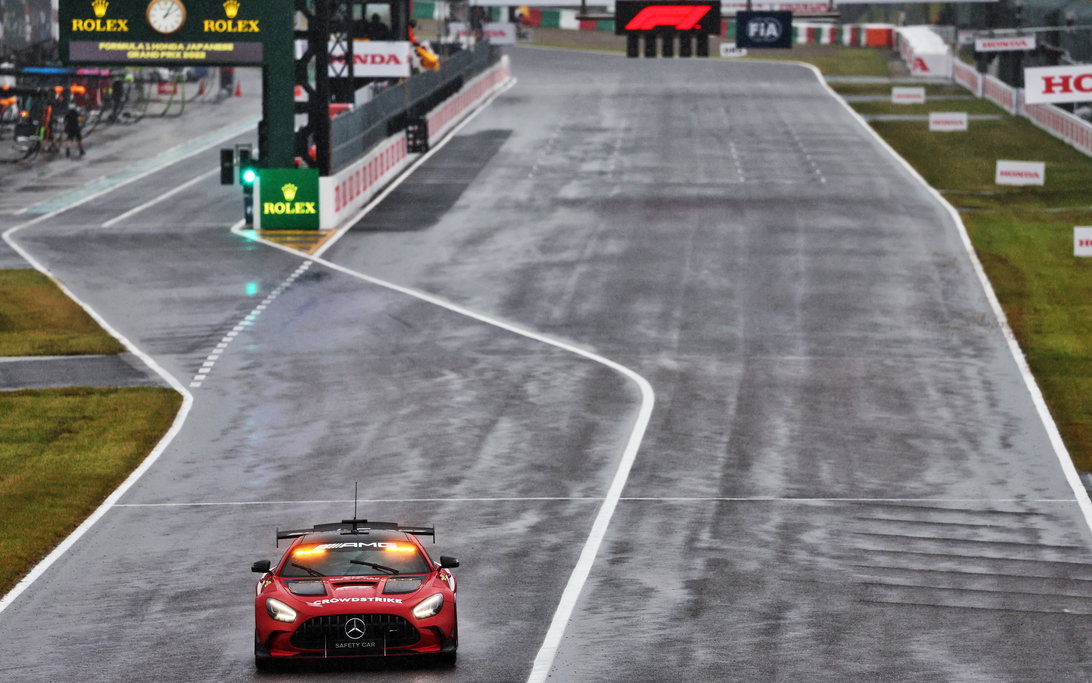
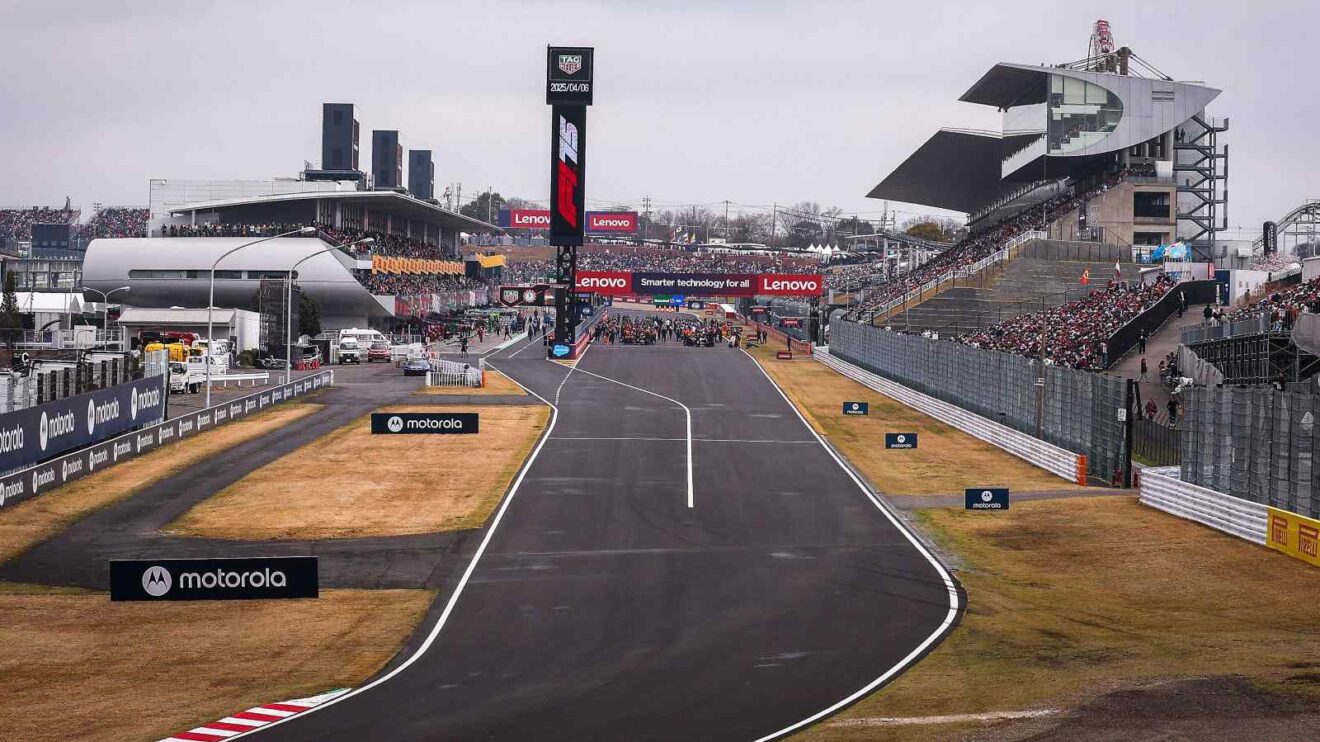
The FIA has added a second active aerodynamic zone at Suzuka's 130R corner to promote overtaking at this weekend's Japanese GP. Sky F1's Natalie Pinkham returns from major neck surgery, while Fernando Alonso's arrival is delayed for family reasons. The changes set the stage for an intriguing weekend at the classic circuit.
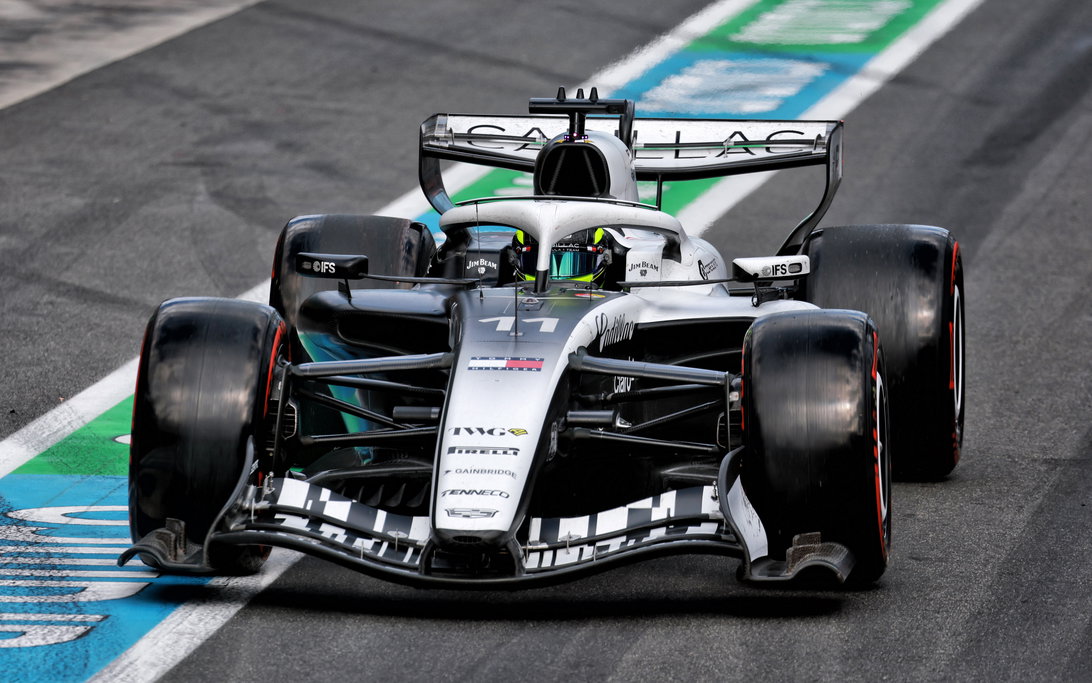
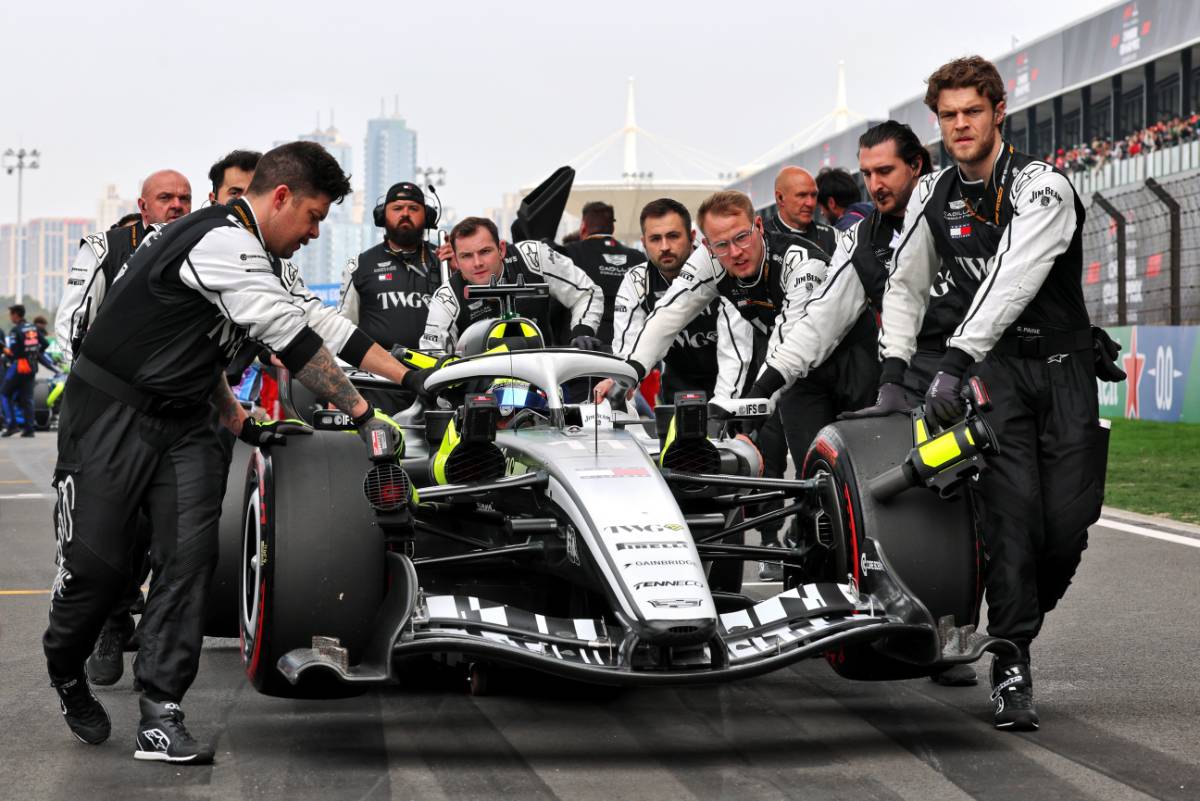
Sergio Perez anticipates a challenging Japanese GP for Cadillac as the team debuts a high-downforce car package for the first time. Despite this new hurdle, the squad aims to build on the momentum from securing its first two-car finish in China by sticking to a methodical, session-by-session learning approach.
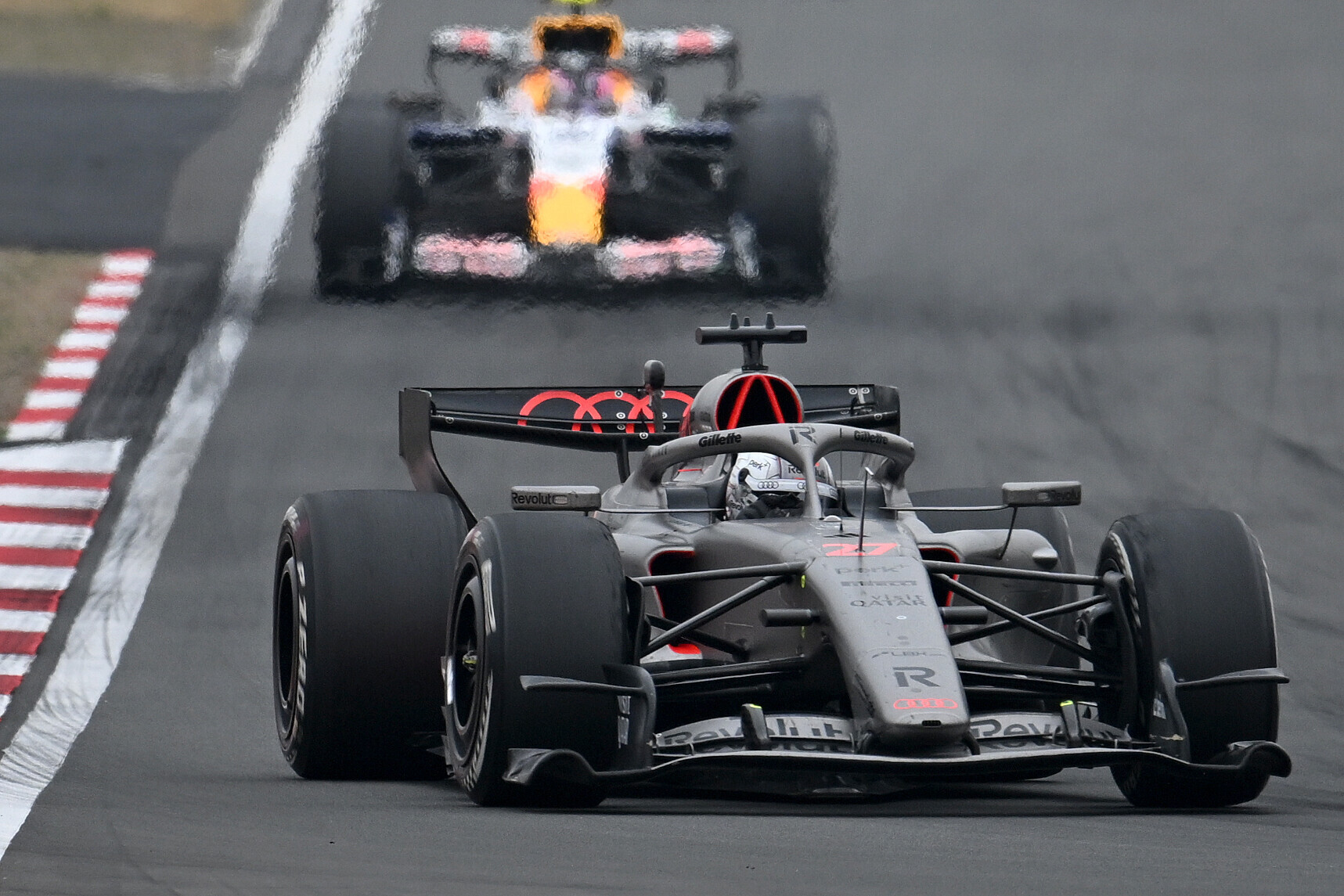
With Mattia Binotto now leading the team, Audi arrives in Suzuka under pressure to deliver a clean, error-free weekend. The new manufacturer's debut season has been undermined by reliability failures, and Binotto's immediate focus is on converting their promising pace into solid finishes, starting at the demanding Japanese Grand Prix.
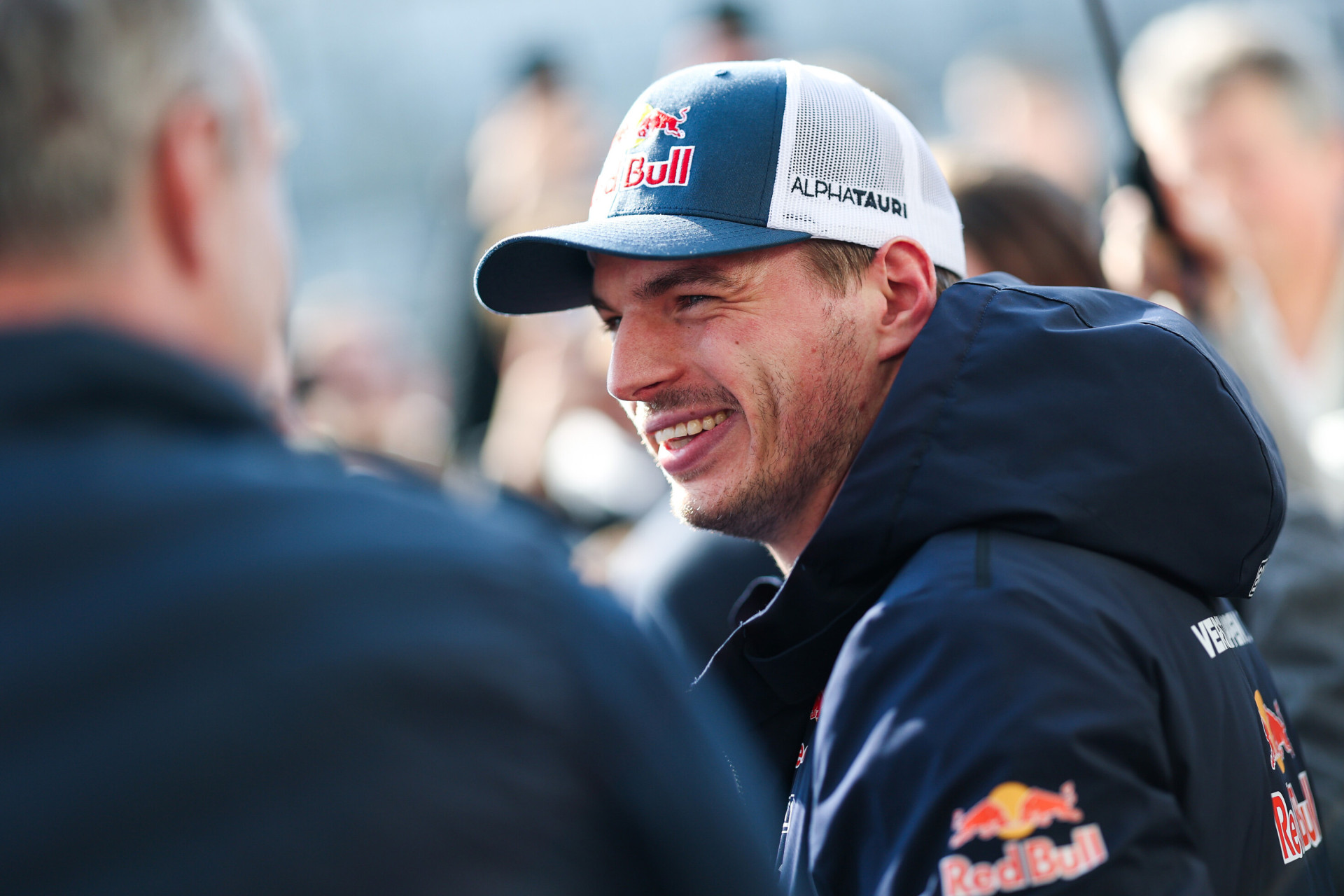
Max Verstappen and his Winward Racing teammates lost their Nurburgring NLS2 victory after a post-race disqualification for a tyre rule breach. The team exceeded the six-set limit by using an unplanned extra set of soft compound tyres during a cold qualifying session to test performance, a decision that provided no race advantage but resulted in exclusion.
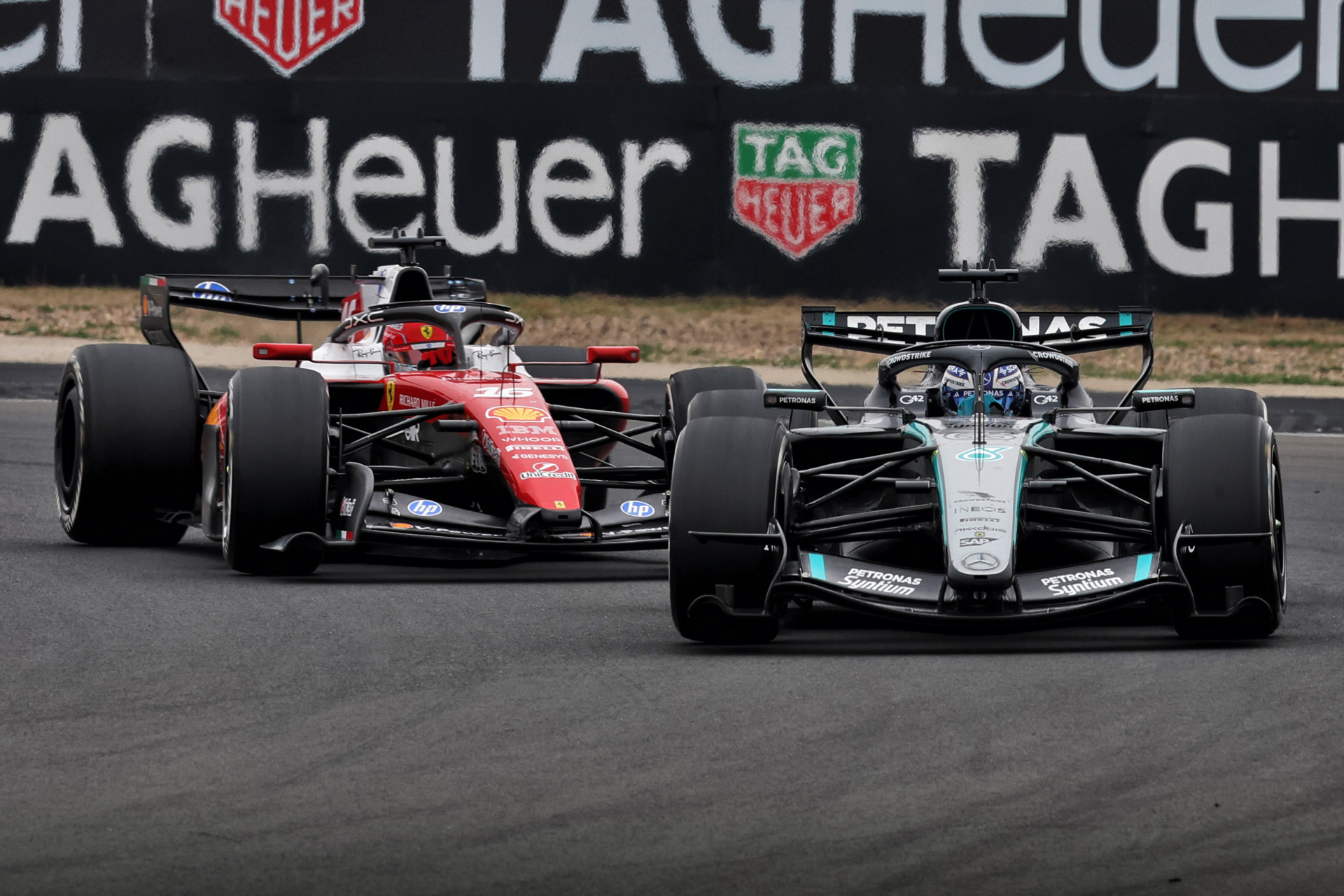
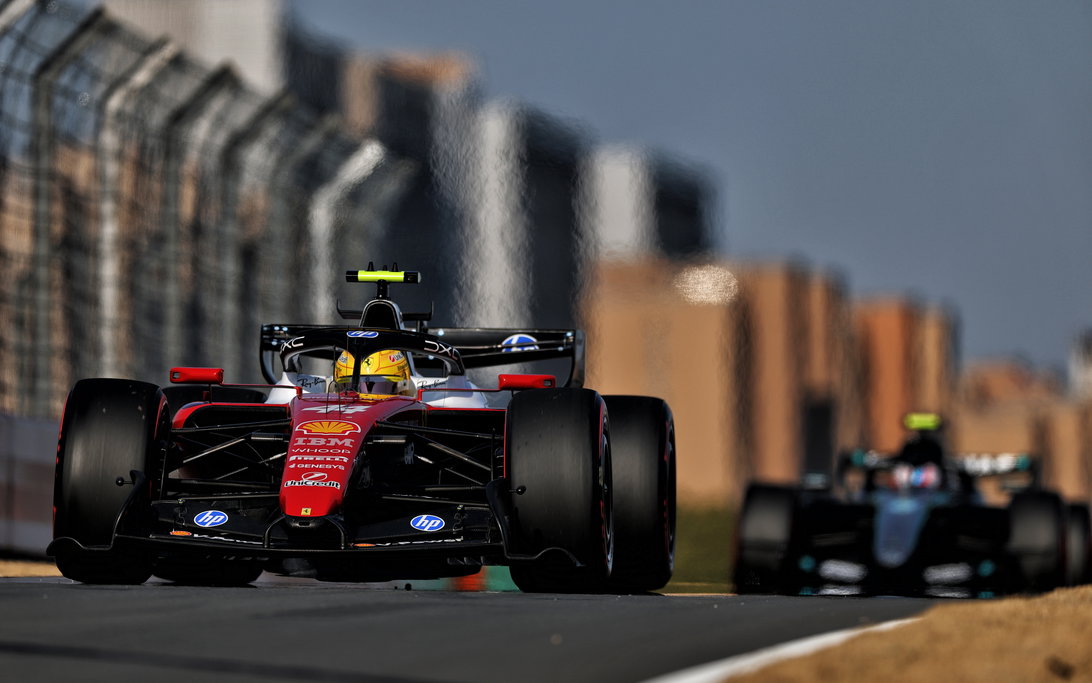
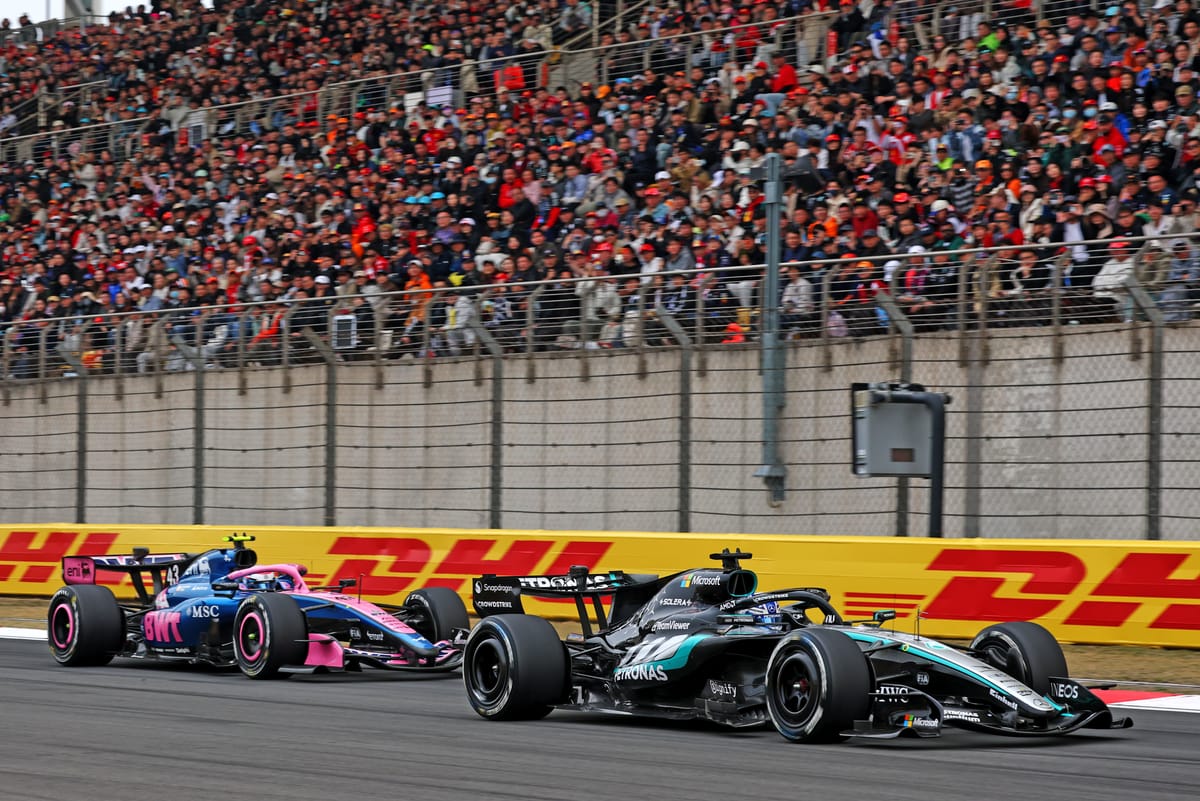
Ferrari has shown flashes of speed against Mercedes but has yet to match their race-winning pace over a full Grand Prix distance. The Japanese GP at Suzuka will be a crucial indicator of whether the Scuderia can bridge that gap and fight for a victory, or if Mercedes' early dominance will continue.
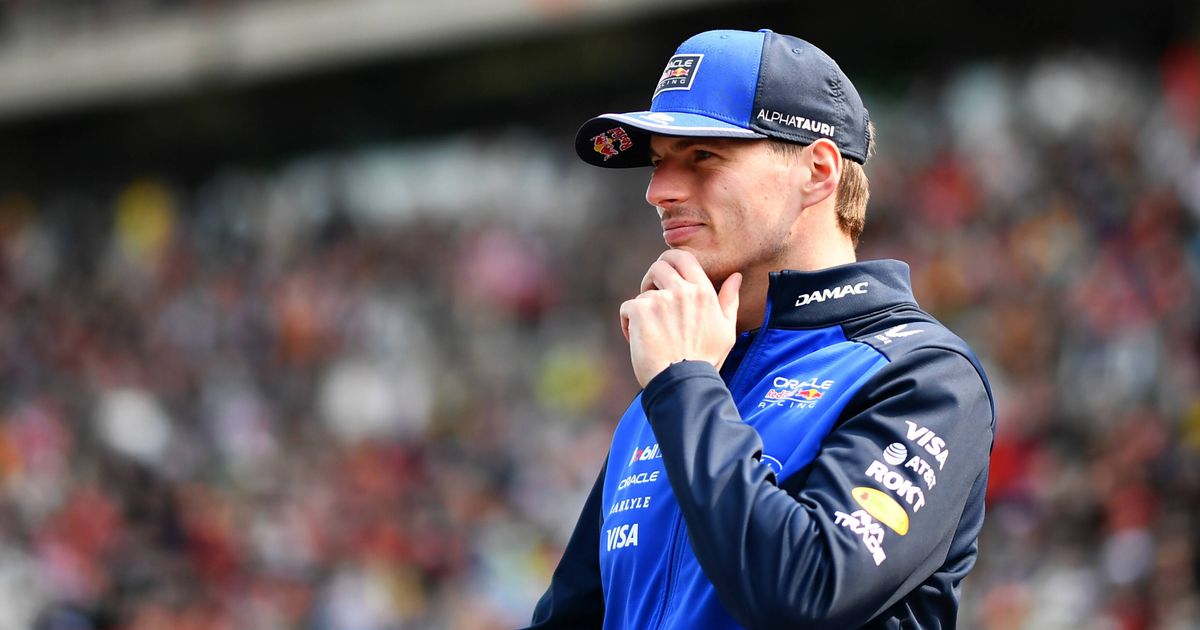
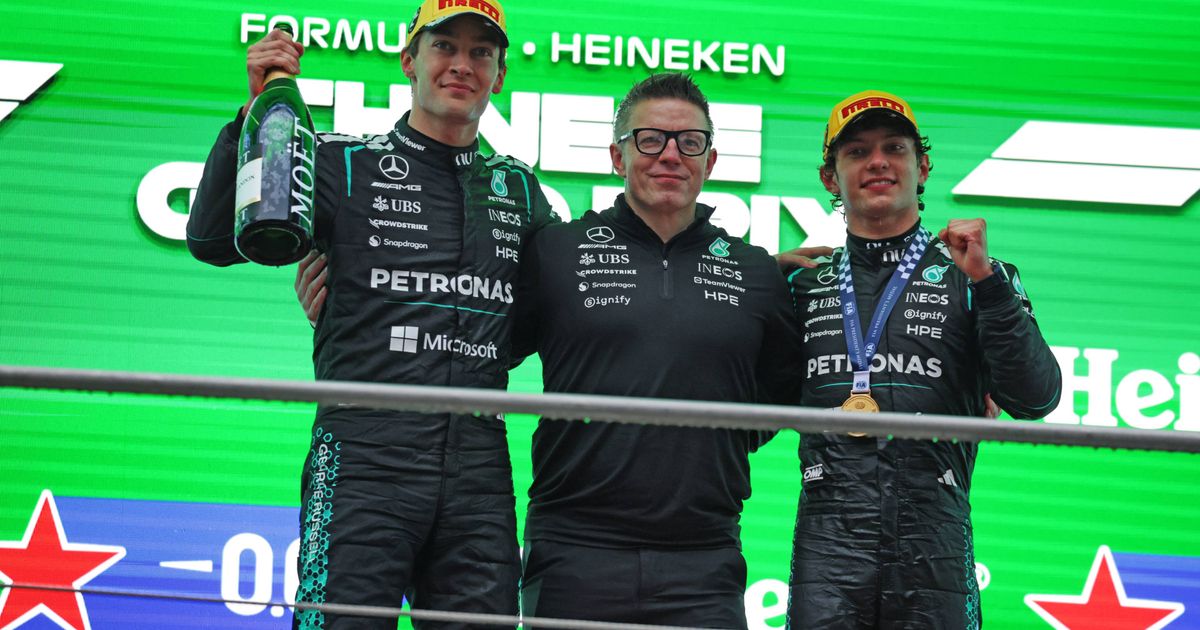
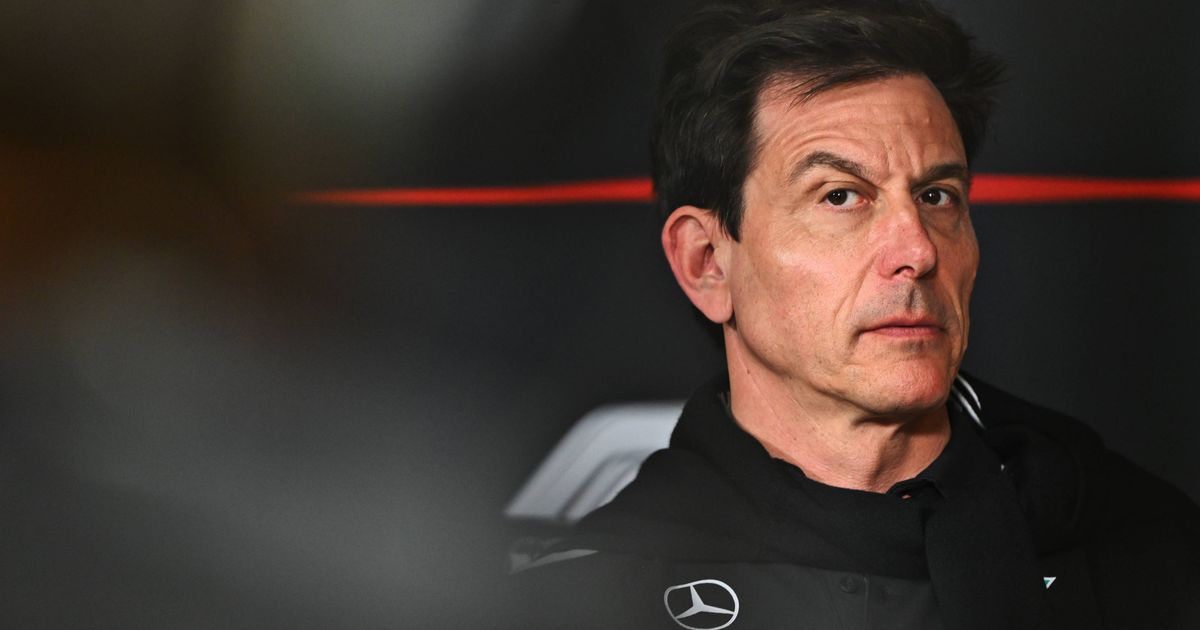
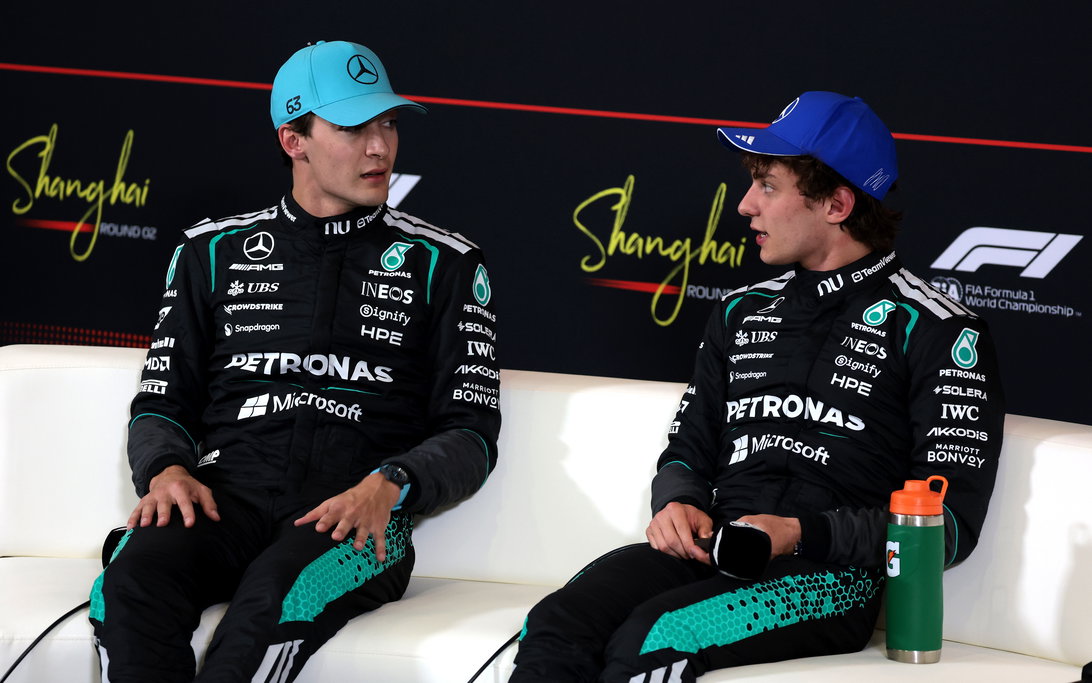
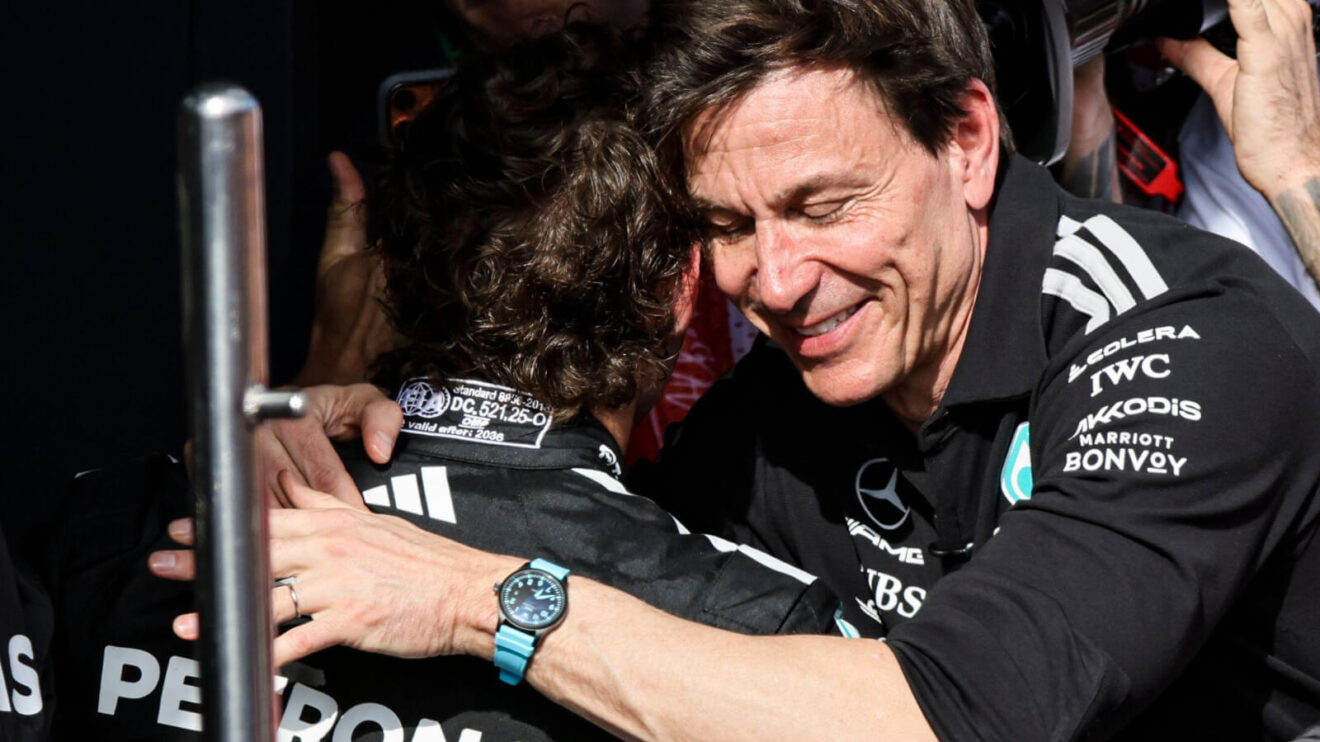
Mercedes boss Toto Wolff has labeled rumors of a move for Max Verstappen as "silly," reaffirming his commitment to current drivers George Russell and Andrea Kimi Antonelli. He also shifted focus from driver complaints about F1's 2026 rules to positive fan reception, while remaining cautiously optimistic about Mercedes' strong early-season form.
Ex-Ferrari chairman Luca di Montezemolo admits he regrets not signing Kimi Antonelli, praising the Italian's mature maiden F1 win but warning that an early move to the Scuderia could have ruined his career, highlighting the intense pressure of driving for Ferrari.
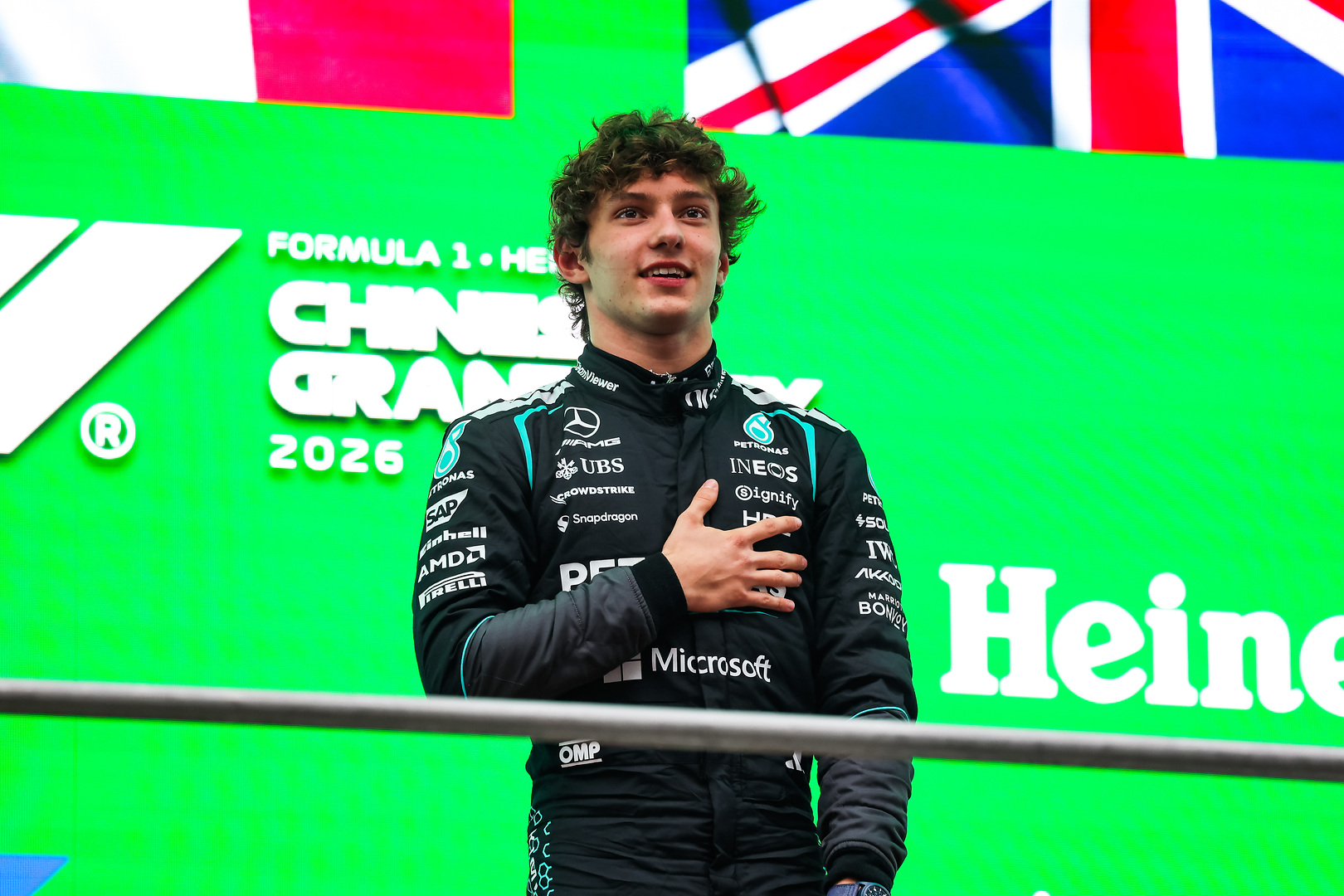
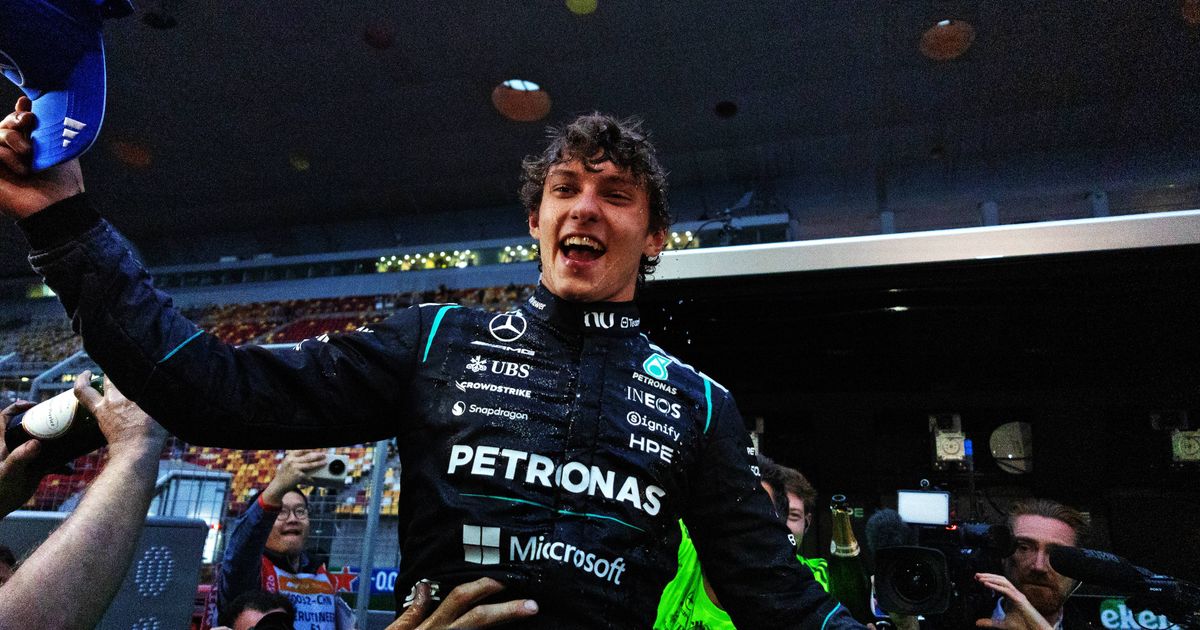
After Kimi Antonelli's breakthrough win in China, Mercedes boss Toto Wolff sent a radio message seemingly aimed at his critics. Former Haas chief Guenther Steiner has publicly called the move "self-promotional," reigniting debate over Wolff's controversial decision to fast-track the young driver into a top team and who deserves credit for the success.
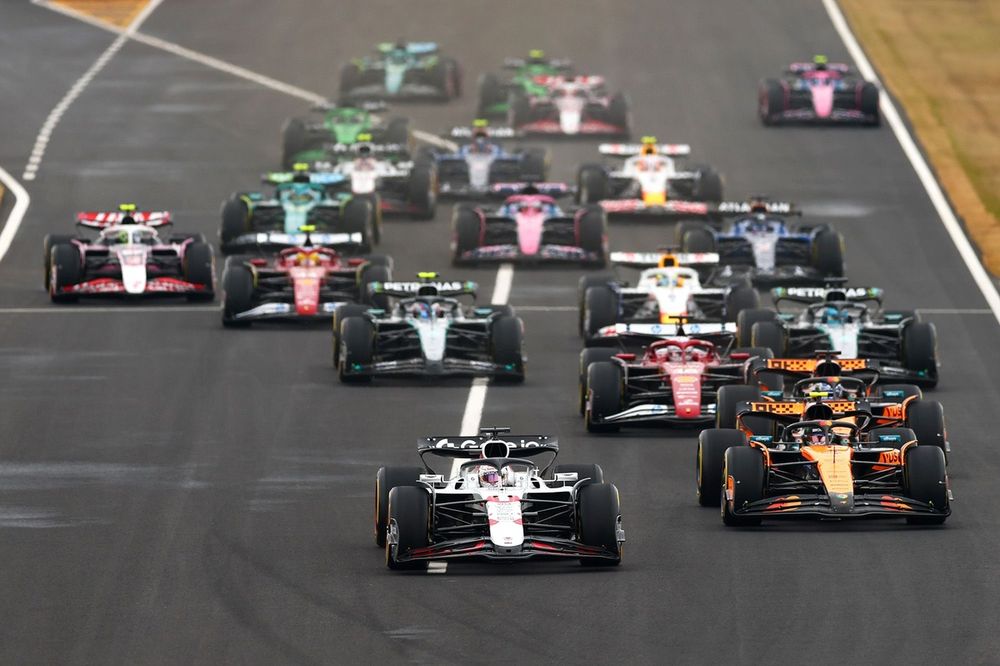
As F1 arrives in Suzuka, all eyes are on whether anyone can halt Mercedes' perfect start. The Japanese GP will test Ferrari's race-winning credentials, McLaren's ability to overcome reliability disasters, and Red Bull's capacity to fix a fundamentally difficult car, while also offering a first look at Audi's new leadership structure.