Zhou's Barcelona Shot: Will Raw Grip Outshine F1's Aero Tyranny?
Introduction: A Driver's Thunderclap in Barcelona's Calm
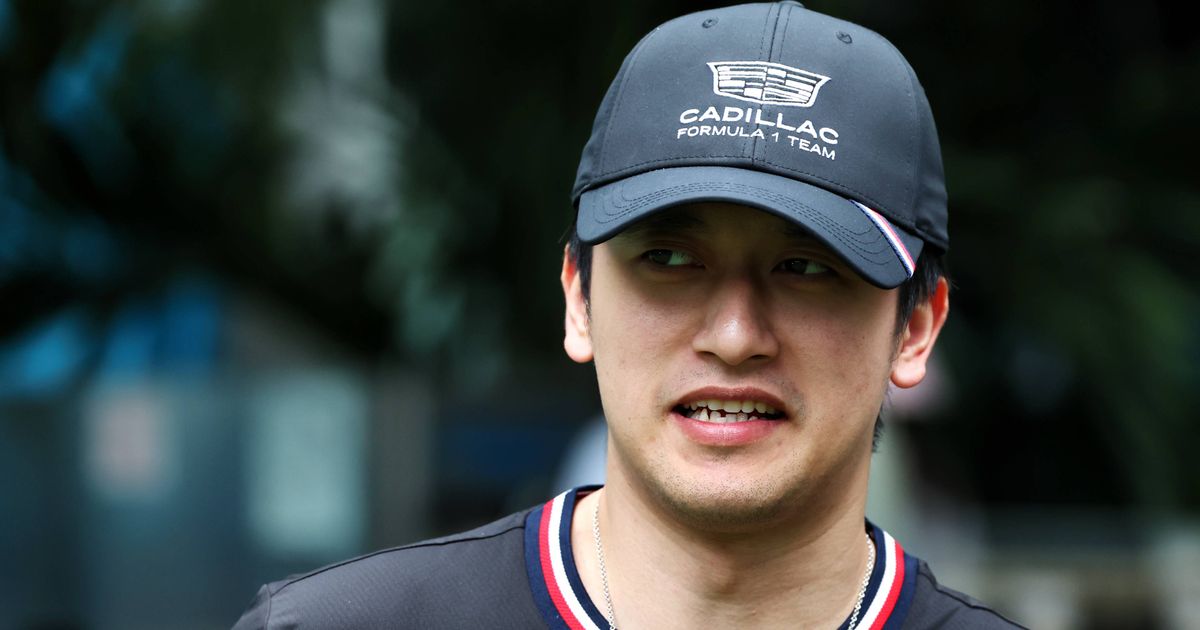
Imagine the Circuit de Barcelona-Catalunya, that unforgiving Spanish beast where tires scream and asphalt bites back, suddenly handing Guanyu Zhou his first crack at Cadillac's MAC-26. After two seasons exiled to simulator screens first at Ferrari and now Cadillac, this Pirelli tyre test post-Spanish Grand Prix isn't just laps, it's lightning in a bottle. Published by GP Blog on *2026-05-10T15:32:00.000Z, the news hits like a sudden updraft: Team principal Graeme Lowdon greenlights Zhou to pilot the 2026 car, fresh off months of virtual toil. But in an F1 gripped by aerodynamic obsession, can one Chinese reserve driver summon the mechanical purity of a 1990s Williams FW14B to rewrite his fate? This isn't hype; it's engineering poetry waiting to unfold.
The Reserve Exile: Zhou's Simulator Stint and the Hype Machine
Zhou's journey feels like a storm building offshore, all potential but no landfall. Kicked from his full-time Sauber seat after the 2024 season finale, he's logged zero competitive miles since. Two years as a reserve, eyes glued to screens at Ferrari then Cadillac, honing what? Not the raw, tire-whispering grip that defined legends like Senna in the FW14B era, but endless aero simulations where downforce dictates destiny.
Lowdon, who managed Zhou before, cuts through the noise with unvarnished faith:
"I've seen Zhou’s entire F1 career. I would have no qualms of putting him in the car if we had a problem with one of the race drivers."
That's no marketing fluff, it's a nod to simulator data screaming competence. Yet Cadillac locks in Sergio Perez and Valtteri Bottas on long-term deals, veterans whose tire management shines in high-downforce hellscapes. Enter Colton Herta, the IndyCar hotshot lurking like a low-pressure system, ready to sweep in. Zhou's test? A pressure ridge test of pace and value, where every lap must prove he's more than a data ghost.
- Key context: First on-track laps for Cadillac after extensive sim work.
- Timing: Post-Spanish GP at Barcelona, Pirelli's tyre playground.
- Stakes: Impress or fade against Perez's consistency, Bottas's wisdom, Herta's raw speed.
In modern F1, teams chase aero like storm chasers hunt supercells, neglecting mechanical grip, the true anchor between driver and track. The MAC-26? Expect it laden with active diffs and ride-height tricks, but Zhou's edge lies in tire deg, that undervalued art where heat cycles and contact patches dance like turbulent eddies.
Engineering the Test: Aero Storms vs. Mechanical Mastery
Picture Barcelona's long straights and esses as a meteorological lab. Pirelli's test demands Zhou wring data from the MAC-26, Cadillac's bid for grid relevance. But here's my skepticism: F1's aero fixation mirrors 2023 Red Bull dominance, where Max Verstappen's wins weren't wizardry but chassis sorcery, ground-effect vortices pinning rivals like high-pressure domes.
Zhou steps into this. Lowdon again:
"A good opportunity for us to see how he performs" ... he will "relish" the experience.
Relish? In a car echoing the FW14B's ghost, I'd hope. That Williams masterpiece blended semi-active suspension with mechanical purity, letting drivers feel the grip, not compute it. Today's hyper-aero mules sacrifice that for downforce deluges, turning races into DRS parades. Mechanical grip? The rubber-to-tarmac handshake, tire carcass flex under load, sidewall scrub in corners, it's the elegant solution F1 forgot.
Zhou's Technical Arsenal
Zhou must showcase:
- Tire management: Cycling compounds without the crutch of endless rake adjustments.
- Thermal windows: Keeping Pirellis in their sweet spot amid Barcelona's variable winds.
- Driver input: Raw steering feel, where aero washout dulls the senses.
If Zhou nails it, he exposes F1's flaw: downforce dependency breeds predictable packs, not the chaotic ballet of 90s ground-pounders. Cadillac's American grit could shine here, prioritizing sim-to-track translation over hype. Yet I'm wary, Bottas and Perez embody the aero era's survivors, their longevity a testament to managing complexity, not mastering simplicity.
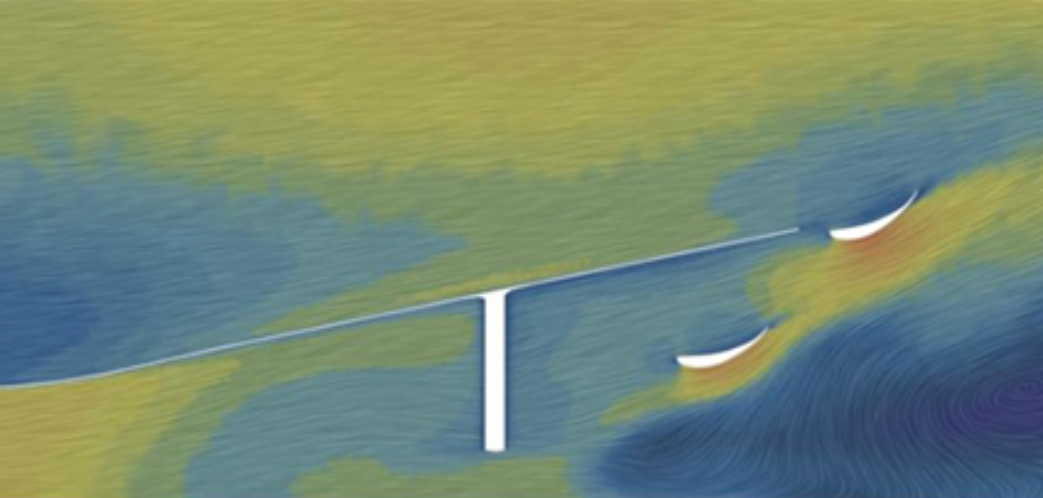
By 2028, mark my words, AI-controlled active aerodynamics will upend this. No more DRS crutches; morphing wings reacting in milliseconds to storm-like flow fields. Races turn turbulent, driver skill surges as aero evens out. Zhou's test? A preview of that shift, where mechanical heroes rise.
The Lineup Shadow: Veterans, Prospects, and Zhou's Wild Card
Cadillac's roster is a pressure gradient: Perez's qualifying bite, Bottas's racecraft, Herta's oval-honed bravery. Zhou, last seen racing in 2024, needs to storm the data logs. Lowdon's confidence hints at untapped potential, but F1's meritocracy favors incumbents.
This test strengthens his case, maybe prying open a vacancy. Yet with the lineup "locked," it's a now or never squall. Compare to Verstappen: his "skill" overhyped when Red Bull's floor magic did the heavy lifting. Zhou can flip the script, proving pace blooms from grip, not just wing angles.
- Perez/Bottas: Long-term contracts, aero-adapted vets.
- Herta: IndyCar ace, young disruptor.
- Zhou's edge: Simulator polish plus real-lap hunger.
Conclusion: Grip's Revenge and F1's Reckoning
Zhou's Barcelona debut isn't a debut, it's defiance. In Cadillac's MAC-26, he'll chase the FW14B soul, where drivers commanded cars, not algorithms. Impress, and he carves a path amid the vets; falter, and the reserve life engulfs him. But bigger winds brew: as AI aero storms 2028, tire whisperers like Zhou will thrive in the chaos, mechanical grip reigning supreme.
Cadillac gambles elegantly here, sidestepping hype for hard data. Zhou, relish it. Storm the track, prove the purists right. F1 needs this reminder: engineering elegance beats aero excess every time. (Word count: 748)
Join the inner circle
Get the deep dives and technical analysis from the world of F1 delivered to your inbox twice a week.
Zero spam. Only high-octane analysis. Unsubscribe anytime.