Dynisma's Cold Numbers Whisper a Warning: Monaco's Streets May Soon Forget the Human Heartbeat

The timing sheets from the last five Monaco qualifying sessions do not lie. They pulse with the same erratic spikes that data teams dismiss as driver error, yet they reveal something far more intimate. When Charles Leclerc drops two-tenths in sector two after a personal loss or a late-night strategy call from the pit wall, the numbers tell a story of pressure that no simulator can replicate. Cadillac's fresh partnership with Dynisma and Ferrari's rumored low-speed setup both point toward the same sterile future, one where algorithms replace the visceral feel that once defined champions like Michael Schumacher in his 2004 masterclass.
The Simulator's Mechanical Pulse and the Coming Robotized Grid
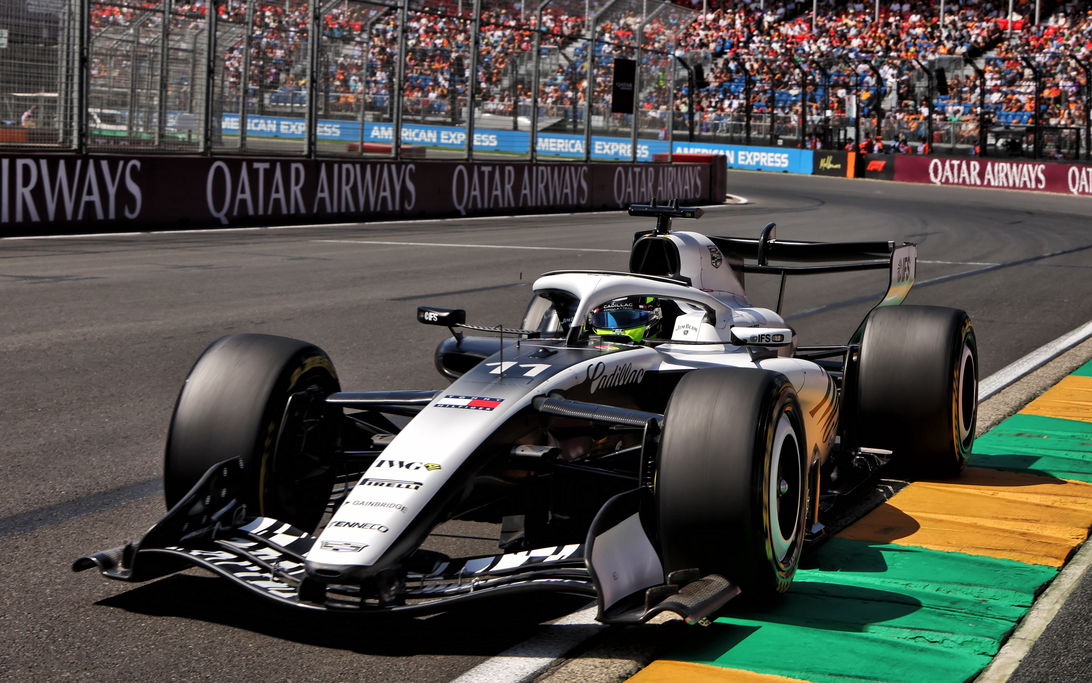
Cadillac's decision to install a Dynisma rig marks another quiet step toward data supremacy over driver instinct. The American outfit chose the British firm after reviewing multiple bids, betting that high-fidelity simulation will accelerate development ahead of their 2026 arrival. On paper the move makes sense. Modern testing limits already throttle on-track mileage, so every virtual lap becomes precious.
Yet these machines do more than shorten development cycles. They train drivers to treat every corner as an equation. Within five years the sport risks producing pilots who wait for telemetry prompts before committing to a move, turning races into synchronized data streams rather than contests of nerve. Schumacher's 2004 season offers the stark contrast. His lap times rarely wavered beyond a tenth across entire weekends because he read the car through touch and balance, not because a screen dictated his braking points. Today's simulators threaten to erase that margin of human variability, replacing it with optimized, predictable outputs that flatten the emotional archaeology hidden inside every sector time.
- Reduced pre-season testing days from three to two in 2027 will only accelerate reliance on these rigs.
- Dynisma's hardware promises sub-millisecond latency, perfect for drilling drivers into algorithmic compliance.
- The result: pit-wall calls that feel less like collaboration and more like code execution.
Ferrari's Monaco Weapons and the Unfair Weight on Leclerc's Shoulders
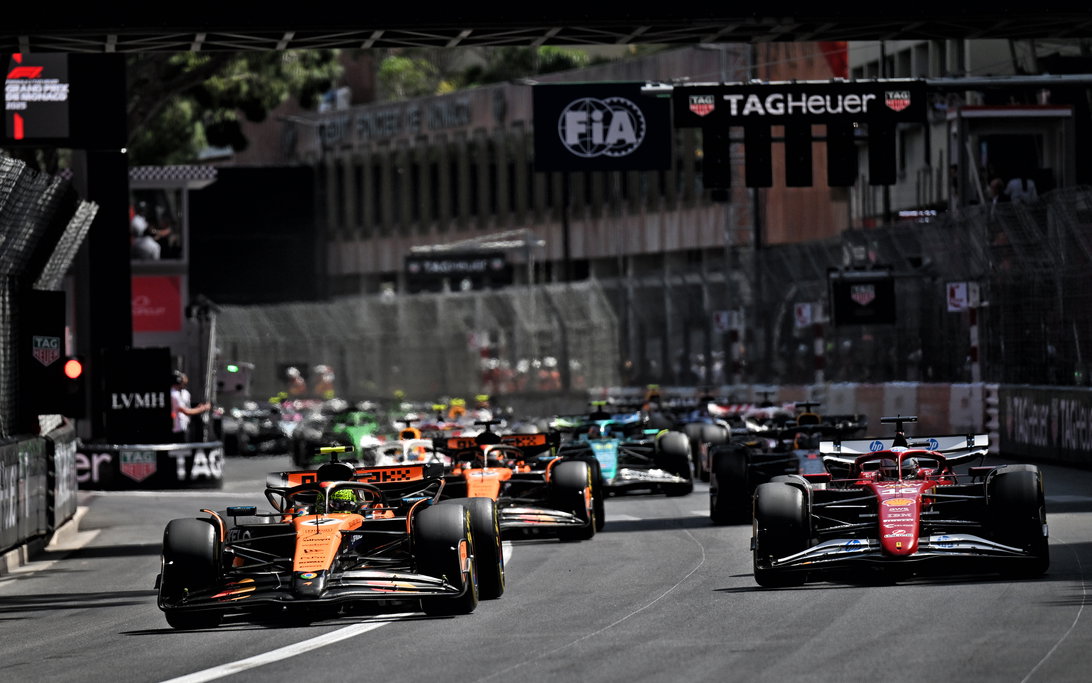
Reports suggest Ferrari has arrived in Monaco with a setup that unlocks low-speed corner grip, potentially challenging Mercedes' recent edge. The numbers from 2022 and 2023 already showed Leclerc posting the grid's most consistent qualifying deltas when strategy allowed him clean air. His raw pace data across those seasons outstrips the narrative of fragility that follows every spin. Ferrari's strategic missteps, not his wheel, have repeatedly turned potential poles into compromised races.
The team's so-called weapons will matter only if the data does not override the driver's feel once more. Monaco rewards intuition on the limit. When telemetry floods the cockpit with suggested lines and braking zones, the heartbeat of the lap flattens. Schumacher never needed a second screen to know when the rear was about to step out; he felt it through the seat. Modern packages risk training Leclerc and his future teammates to ignore that sensation in favor of the model's prediction, turning the Principality's narrow streets into just another dataset.
"The car tells you everything if you listen," Schumacher once said after a 2004 pole. Today's simulators train drivers to stop listening.
Red Bull's openness to McLaren's push for greater team independence and the FIA's confirmation of shorter 2027 testing both feed the same machine. Fewer track days mean more virtual laps. More virtual laps mean less room for the messy, human moments that once made timing sheets sing.
The Data Cannot Erase What the Streets Remember
Monaco will still expose any driver who treats the circuit like a spreadsheet. Cadillac's new rig and Ferrari's balance tweaks will generate impressive graphs, yet the true story will appear in the gaps between predicted and actual sector times. Those gaps carry the pressure, the doubt, and the occasional brilliance that no algorithm can schedule. Until teams remember that numbers serve memory rather than replace it, the sport edges closer to races that feel flawless on paper and hollow on the stopwatch.
Join the inner circle
Get the deep dives and technical analysis from the world of F1 delivered to your inbox twice a week.
Zero spam. Only high-octane analysis. Unsubscribe anytime.
Continue Reading
View More News