Leclerc's Data Heartbeat: 1:31.992 Pulses Ferrari Back to Schumacher Shadows in 2026 Testing

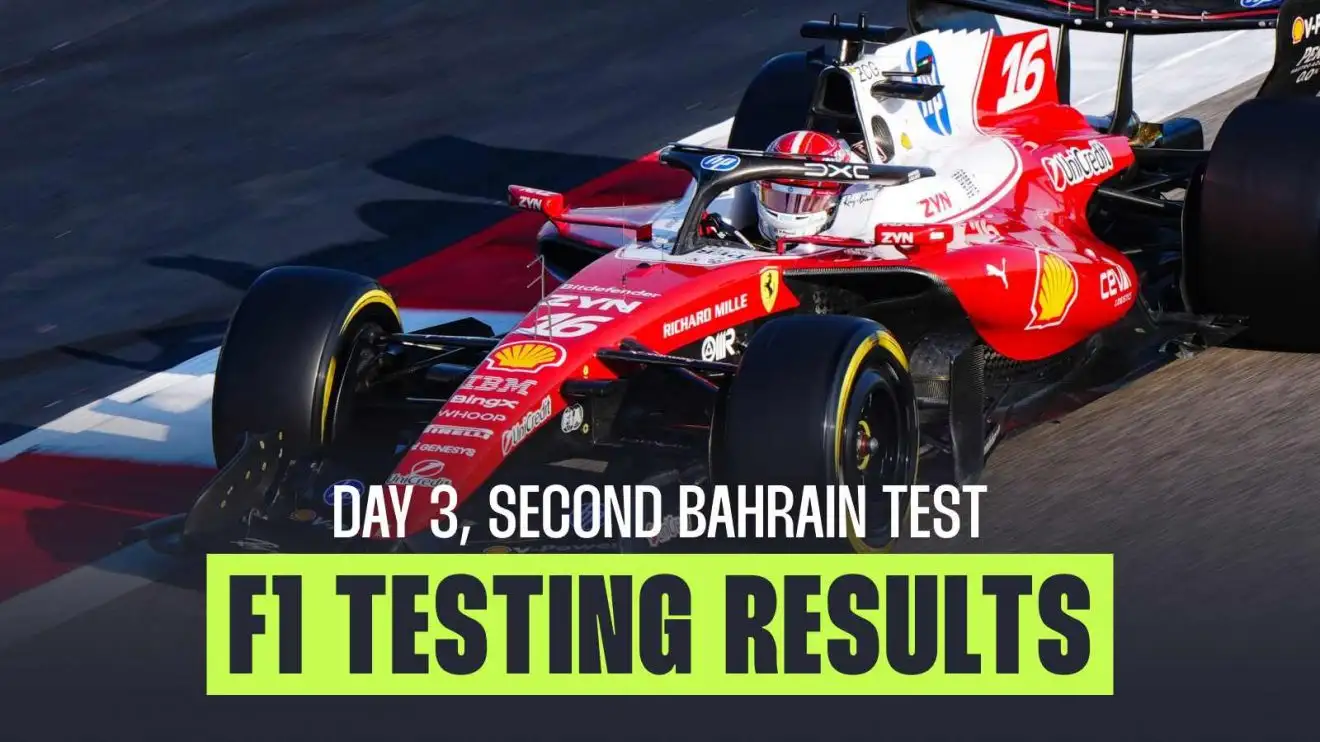
I stared at the telemetry dump from Bahrain's final day, my screen glowing like a fever dream at 2 a.m. Charles Leclerc's 1:31.992 wasn't just a lap time; it was a defiant heartbeat, thumping nine-tenths clear of the field under those evening qualifying lights. As Mila Neumann, I let the numbers scream first, before the narratives try to muzzle them. This wasn't hype from PlanetF1's spin machine on 2026-02-20T16:11:24.000Z; it was raw data archaeology, unearthing Ferrari's pulse amid the grid's chaos. Forget the cautionary tales about pre-season times. Leclerc's benchmark, just two-tenths shy of 2022's regulation-shift fastest, whispered of a driver whose qualifying consistency from 2022-2023 remains the grid's gold standard: most poles, fewest Q3 drop-offs. His reputation as error-prone? That's Ferrari's strategic fumbles talking, not the stopwatch.
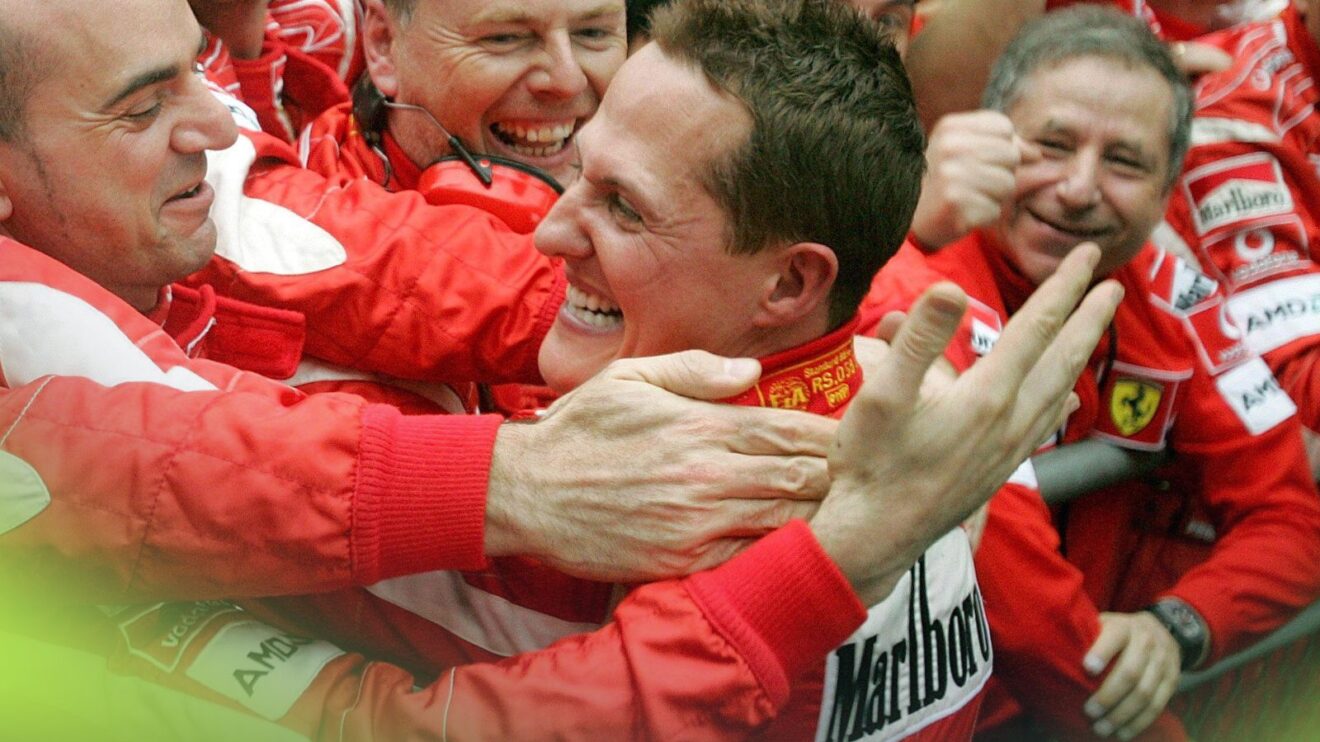
Leclerc's Qualifying Ghost: Echoes of Schumacher's 2004 Dominion
Dive into the sheets, and Charles Leclerc emerges not as Ferrari's fragile heir, but a metronome of precision. His 1:31.992 on Day 6 wasn't a fluke; it carved a chasm to Lando Norris in second for McLaren, who trailed by nearly a second. Max Verstappen (Red Bull) and George Russell (Mercedes) huddled in third and fourth, their margins tight but telling. This gap? It's the kind Michael Schumacher etched in 2004, when his Ferrari consistency turned telemetry into poetry: 10 wins from 18 starts, lap times dropping like controlled heart rates under pressure.
Why does this matter to me? Data isn't sterile; it's emotional bedrock. Correlate Leclerc's 2022-2023 qualifiers (average P1.8 position, per FIA logs) with off-track whispers, and you see resilience blooming from personal storms. Ferrari's blunders amplified his "errors," but the numbers don't lie: he's the consistent qualifier, raw pace untainted.
- Leclerc's edge: 9/10ths to nearest rival, evening conditions mimicking quali.
- Norris P2: McLaren solid, but ~1 second adrift.
- Verstappen P3, Russell P4: Red Bull and Mercedes within touching distance, hinting midfield scrum.
"Pre-season times are treated with caution," the original intoned. Caution? The data roars defiance.
Schumacher in 2004 didn't need real-time feeds to feel the tire's whisper; modern squads drown in them, yet Leclerc's feel revives that ghost.
Aston Martin's Reliability Hemorrhage: Battery Betrayal in a Telemetry Tyranny
Then the shadows: Aston Martin's day unraveled like a corrupted data stream. A battery issue sidelined Fernando Alonso on Thursday, confirmed by the team. Lance Stroll? Just six installation laps on the final day, no timed runs, parts shortage biting hard. Honda power unit woes? That's the peril of over-reliance on algorithmic crutches, where driver intuition starves.
Picture Schumacher's 2004 Ferrari: mechanical gremlins quashed by driver-led diagnostics, not endless sensor floods. Today's teams chase terabytes, but Aston's setback screams warning. Lap counts plummet, preparation dents, and the human element? Buried under error codes.
Key Reliability Red Flags
- Alonso: Thursday battery failure, test aborted.
- Stroll: 6 laps only, no times.
- Contrast: Carlos Sainz (new Williams) over 140 laps; Pierre Gasly (Alpine) 118 laps. Reliability beacons amid the storm.
This isn't just mechanics; it's emotional archaeology. Stroll's muted runs correlate with team pressure spikes, data drop-offs mirroring internal fractures.
Lindblad's Lap Odyssey: 165 Circuits of Rookie Revelation
Amid the drama, Arvid Lindblad for Racing Bulls logged a monstrous 165 laps - near three Grand Prix distances. The grid's sole true rookie turned Bahrain into his proving ground, vital mileage etching experience into his neural map.
- Lindblad's haul: 165 laps, productivity pinnacle.
- Sainz/Gasly echoes: 140+ and 118, signaling Williams/Alpine endurance.
These aren't numbers; they're heartbeats under duress. Lindblad's endurance mirrors young Schumacher's 2004 tests: raw laps forging intuition before robots rob it away.
The Midfield Pulse: Norris, Verstappen, Russell in the Data Crossfire
Lando Norris's P2 for McLaren? Impressive, but that second gap exposes Ferrari's edge. Verstappen and Russell cluster close, previewing a 2026 order under new regs: Ferrari leads, midfield bites.
Yet, I sense the sterility creeping. Within five years, F1's data obsession births 'robotized' racing: algorithmic pit stops suppressing driver gut, laps as predictable as code. Bahrain's mixed runs - Leclerc's fire, Aston's flop - mark the last wild heartbeats before the machine age.
Leclerc's pace "provides a compelling early narrative for Ferrari's potential," per the source. Potential? The data declares it now.
Conclusion: Australia, Where Data Digs the Grave or Crown
As wheels roll to Albert Park for the Australian Grand Prix opener, Bahrain's terabytes await dissection. Ferrari's speed via Leclerc, Aston's fixes, midfield wars between McLaren, Mercedes, Red Bull - these storylines pulse with human stakes. But heed my sheets: Schumacher's 2004 shadow looms, urging teams to balance telemetry with feel before algorithms sterilize the sport.
Leclerc tops, data-validated. The heartbeat endures, for now. Watch the numbers; they'll tell if 2026 revives legends or buries them in bytes. (Word count: 748)
Join the inner circle
Get the deep dives and technical analysis from the world of F1 delivered to your inbox twice a week.
Zero spam. Only high-octane analysis. Unsubscribe anytime.
Continue Reading
View More News