FIA's Qualifying Crackdown Exposes F1's Addiction to Electronic Gimmicks Over Raw Grip
Picture this: a Formula 1 driver, heart pounding like thunder in a gathering storm, hurtling toward the checkered flag in qualifying. The hybrid battery is gasping its last, but instead of a graceful fade, teams unleash a forbidden torrent of power. 50-100kW dumped in an instant, all because clever engineers turned a safety net into a slingshot. This isn't elegant engineering; it's a desperate hack, born from cars so aero-obsessed they've forgotten how to grip the earth. As Mila Klein, technical analyst and lover of pure mechanical mastery, I'm thrilled the FIA just slammed the door on it. Published on 2026-04-15T08:34:14.000Z by F1i.com, this story isn't just about a ban, it's a siren call for F1 to rediscover its soul, like the 1990s Williams FW14B that danced on tires, not downforce.
The MGU-K Loophole: Safety Twisted into a Thousandth-of-a-Second Cheat
At the heart of this drama beats the MGU-K (Motor Generator Unit - Kinetic), F1's hybrid heartbeat. Regulations demand a disciplined taper: 50kW per second drained gradually as the battery depletes, preventing the nightmare of sudden, wheel-locking deceleration mid-race. It's a rule rooted in survival, not showmanship.
But Mercedes and Red Bull-powered teams, those paddock titans, spotted the storm's eye. They triggered an emergency shutdown override on the MGU-K, bypassing the taper entirely. Boom: all remaining energy 50-100kW unleashed like a lightning strike right before the finish line. In a sport where pole is snatched by thousandths, this was gold.
Here's the engineering sleight-of-hand, broken down:
- The Trigger: Intentionally force an emergency halt, dumping power instantly while coasting to the pits.
- The Trade-off: A 60-second lockout cripples the MGU-K afterward, devastating in a race but meaningless post-quali.
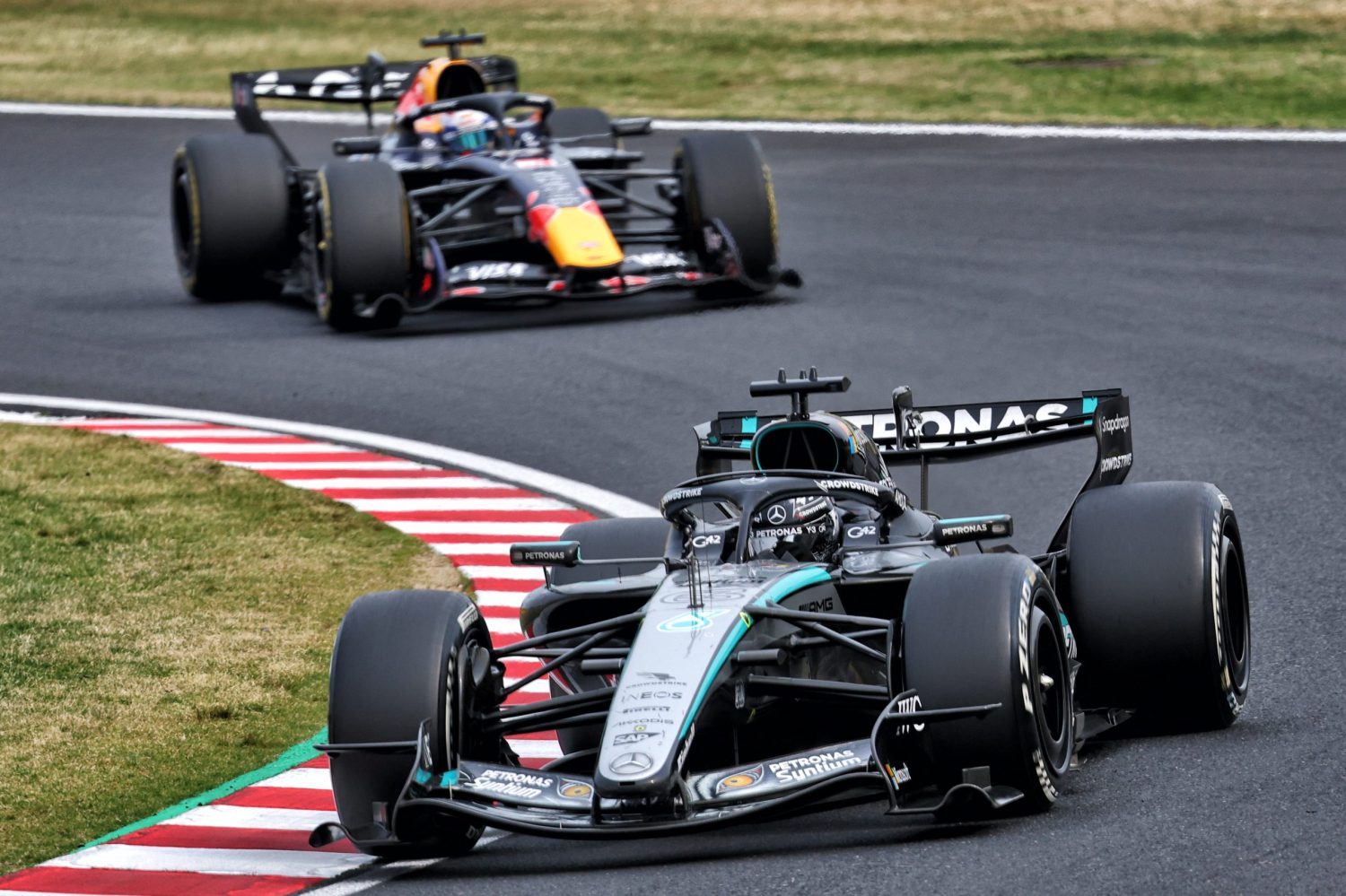
- Real-World Hits: Deployed in Australia and Japan. It sparked Alex Albon's stoppage in Japan and hybrid gremlins for others, proving reliability's the real casualty.
Ferrari led the charge for a ban, calling it a "systematic" abuse of a safety fallback. Rightly so. This wasn't innovation; it was gaming the system, much like how modern F1 cars balloon downforce to 5G corners while tires scream for mercy. Remember the FW14B? Senna and Mansell wrestled it with mechanical grip, not electronic overrides. Today's aero cyclones suck cars to the track, but at what cost? Processionals where drivers are passengers.
Red Bull and Mercedes' Hack: Fueling the Myth of Verstappen Supremacy
Let's cut through the hype. Max Verstappen's dominance? Overrated. Sure, he's sharp, but Red Bull's chassis and aerodynamics do the heavy lifting, especially in 2023 when they turned quali into a procession. This MGU-K dump? Pure Red Bull and Mercedes territory, their power units flexing where others falter. It handed unearned edges, masking how their aero obsession neglects tire management, the true driver-car dialogue.
Imagine the telemetry: as the car slices the final sector, that power surge acts like a tailwind in a hurricane, inflating straight-line speed while mechanical grip atrophies. Teams chase downforce addiction, forgetting that tires connect soul to tarmac. In the '90s, Williams thrived on active suspension's elegance, blending electronics with raw feedback. Now? Hacks like this reveal the fragility. Albon's Japan heartbreak wasn't bad luck; it was the hack's backlash, a reminder that shortcuts erode reliability.
"The exploit, while clever, turned a critical safety mechanism into a competitive advantage, risking both fairness and reliability." – Echoing the original report, but let's be blunt: it prioritized pixels on a screen over rubber on road.
Ferrari's outcry leveled the field, exposing how Red Bull and Mercedes leaned on software sorcery. Skeptical of the marketing spin around "unbeatable power units," I see this as symptom of deeper rot: cars so complex, drivers input feels like whispering in a gale.
FIA's Software Shield: Restoring the Spirit Over the Letter
The FIA's fix? A masterful ECU update, locking the override to genuine emergencies only. That 60-second lockout stays, arming officials with telemetry scrutiny. Any whiff of abuse without mechanical failure? Penalties incoming. Applied swiftly, it evens the 2026 season, but more importantly, it draws a line: innovation serves the rules' intent, not exploits them.
This cat-and-mouse echoes F1's eternal storm. Teams push boundaries; FIA reins them in. Yet, it underscores my mantra: mechanical grip is undervalued. Obsess less over aero vortices, more over suspension tuning that lets drivers feel the limit. The FW14B didn't need hacks; its semi-active setup delivered grip poetry.
Looking ahead, by 2028, expect AI-controlled active aerodynamics to eclipse DRS entirely. No more fake overtakes; instead, chaotic flux where aero adapts in real-time, like storm clouds morphing. Races become driver-dependent again? Hardly, less so, but thrillingly unpredictable. Until then, bans like this nudge us toward simplicity.
Conclusion: Time to Trade Hacks for Grip, Before AI Rewrites the Rules
The FIA's ban isn't housekeeping; it's a manifesto for F1's future. Mercedes and Red Bull teams lost a crutch, Ferrari gained vindication, and we all reclaim sporting integrity. But let's dream bigger: shed aero excess for mechanical purity. Verstappen's edge? It'll crumble when tires, not tricks, decide kings.
In this electronic age, the hack's demise feels like clearing storm debris, revealing solid ground. F1, evolve or stagnate. By 2028's AI aero revolution, only teams mastering grip-to-downforce harmony will thrive. Until then, bravo FIA – you've reminded us: true speed flows from human ingenuity, not override buttons.
(Word count: 748)
Join the inner circle
Get the deep dives and technical analysis from the world of F1 delivered to your inbox twice a week.
Zero spam. Only high-octane analysis. Unsubscribe anytime.