The Paddock's Silent Wars: Hamilton's Simulator Snub Signals Deeper Fractures at Ferrari and Beyond

Monaco week always exposes the fault lines. While the yachts sparkle and the cameras chase glamour, the true power brokers move in whispers, shielding favorites and leaking just enough to destabilize rivals. Lewis Hamilton's quiet pivot away from Ferrari's simulator is no mere technical note. It is a calculated signal that team morale and covert information flows still trump raw technology in this game.
Hamilton's Calculated Distance From the Machine
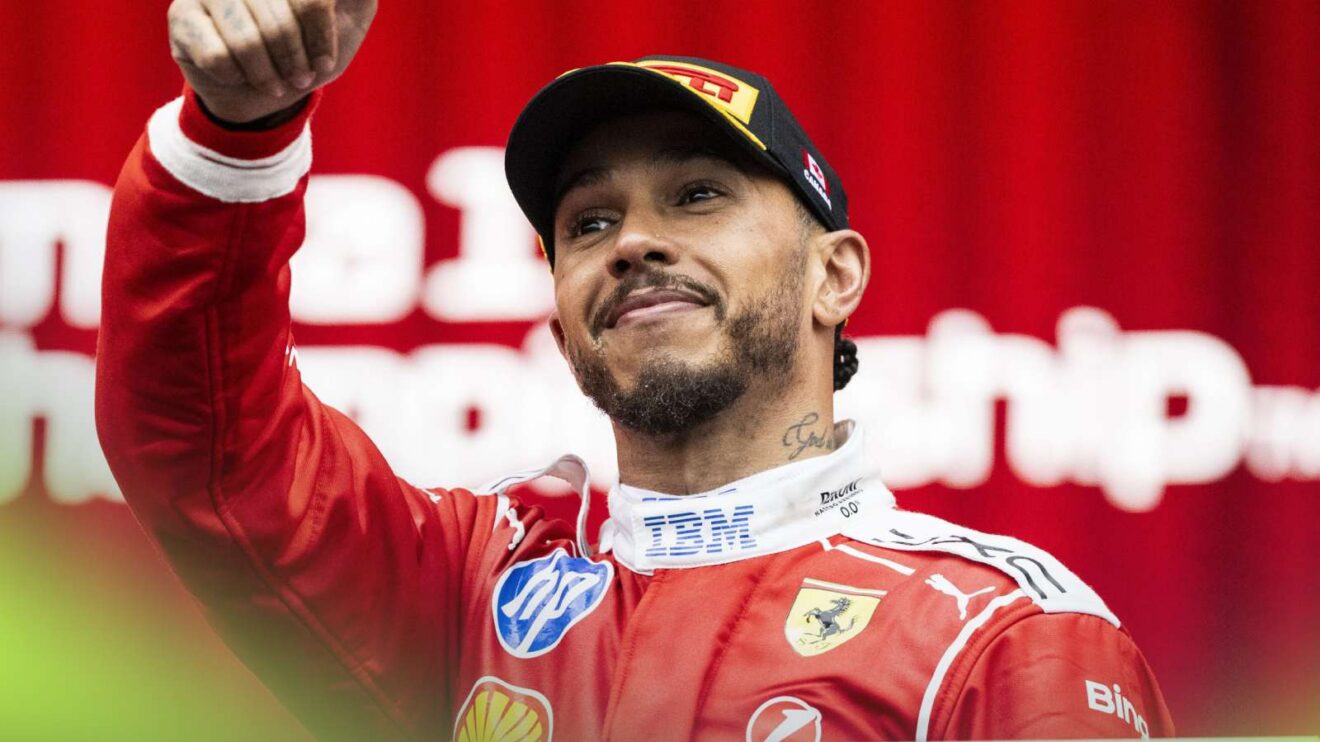
Hamilton's post-Canada admission that he will "probably not" lean on Ferrari's simulator for race prep carries the weight of someone who has seen how internal politics erode performance. He left room for occasional correlation work, but the message lands clearly. Drivers who sense vulnerability protect their own instincts rather than feed data into systems still haunted by Mercedes' post-2021 decline.
That decline mirrors the 1990s Williams saga, where engineers and management tore at each other until Adrian Newey's designs could no longer compensate for fractured trust. Ferrari now risks the same trap. Hamilton's restraint suggests he understands that simulator hours mean little when the real advantage sits in who controls the narrative inside the garage.
- Occasional correlation runs remain on the table to maintain virtual-to-real consistency.
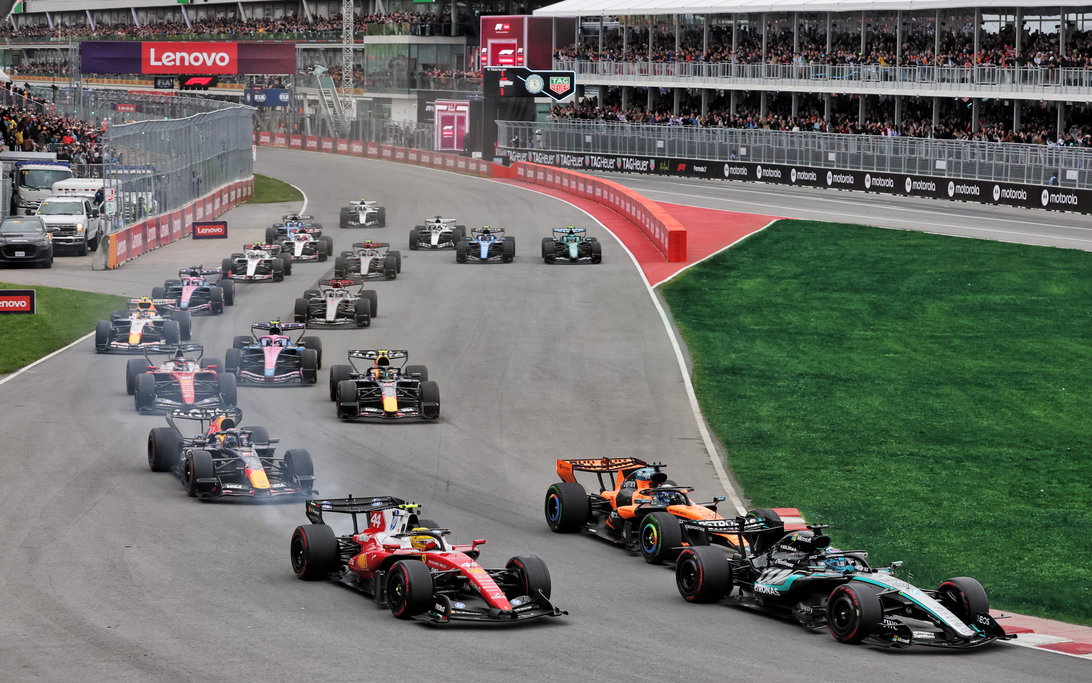
- The decision follows his podium in Canada, a result that highlighted driver feel over data overload.
- Rivals at Mercedes watch closely, knowing Kimi Antonelli has already warned that recent upgrades have yet to reveal their full potential.
Sainz's Defiance and the Audi Power Game
Former Audi chief Mattia Binotto's revelation about Carlos Sainz cuts deeper than family drama. Sainz ignored his father's long-standing Audi ties to choose Williams for 2025, a move Binotto framed as the driver "made his own choice." Yet in F1, such choices rarely stay personal. They reflect which teams still foster genuine morale and which ones rely on sponsor pressure that will eventually collapse under its own weight.
Within five years, at least one current top squad will fold under unsustainable financial models, repeating the 2008-2009 manufacturer crisis. Sainz appears to have read the room. Williams may lack Audi's resources, but it offers clearer internal lines of communication. That edge matters more than horsepower when information sharing decides race outcomes.
"Sainz went against his father's advice when choosing Williams over Audi."
Binotto's public comment functions as both warning and leak. It signals to other drivers where real influence still resides.
McLaren's Milestone Celebration Masks Strategic Realities
McLaren's special livery for its 1000th race at Monaco and Spain, complete with the number "1000" and invites to every living race winner, projects unity. Yet even celebrations serve political ends. Grid gatherings on Thursday become intelligence exchanges, where engineers and managers gauge who might jump ship when the next sponsor-driven crisis hits.
The move stands in contrast to Red Bull's aggressive shielding of Max Verstappen from internal criticism. That protection has fueled dominance, but it breeds the very resentment that once tore Williams apart. McLaren's public milestone at least pretends morale can be engineered in the open.
Williams' private test for F2 driver Laurens van Hoepen and his potential junior program addition further illustrate the point. Quiet development of young talent through trusted channels often outlasts flashy simulator programs or headline sponsorships.
The Road Ahead
These stories converge on one truth. Technological edges fade when teams lose the ability to share information honestly or maintain basic trust. Hamilton's simulator restraint, Sainz's calculated independence, and McLaren's historic nod all point to the same undercurrent. The teams that survive the coming sponsor reckoning will be those that treat morale and discreet alliances as their primary weapons, not afterthoughts. Monaco will reveal who still understands that game.
Join the inner circle
Get the deep dives and technical analysis from the world of F1 delivered to your inbox twice a week.
Zero spam. Only high-octane analysis. Unsubscribe anytime.
Continue Reading
View More News