Lawson's China Broadside Rips Open F1's Energy Charade While Red Bull's Inner Circle Tightens Its Grip

The paddock air crackled with unease after qualifying in China, where Liam Lawson's raw words landed like a detonator on the fragile consensus around 2026. Drivers are not merely griping about lap times. They are confronting a manufactured spectacle that sidelines human daring for battery cycles, and the silence from certain power centers only deepens the fracture.
The Manufactured Overtake and Vanishing Enjoyment
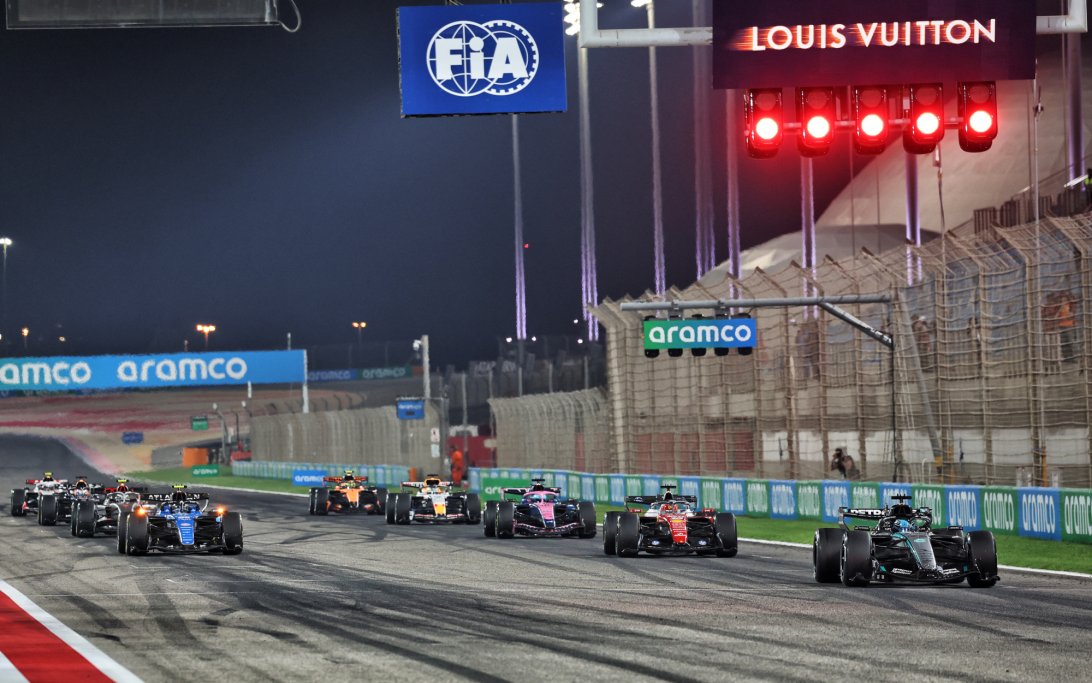
Lawson did not mince his assessment of the new regulatory era. Racing Bulls' driver described overtaking as little more than a timed release of stored energy, where one car surges ahead only to surrender position moments later once its deployment window closes. The opening laps may dazzle on screen, yet the underlying mechanism strips away the strategic bravery that once defined wheel-to-wheel combat.
- Energy advantages dictate position swaps far more than driver skill or daring maneuvers.
- Battery depletion forces immediate re-passes, turning potential duels into scripted exchanges.
- Lawson noted the enjoyment factor sits far below what competitors expect from genuine racing.
This is not isolated frustration. Max Verstappen has already labeled the cars unfun to drive, while Carlos Sainz and George Russell flagged safety risks at race starts and in active-aero zones. The common thread is complexity that feels artificial, engineered to meet sustainability targets at the expense of sporting purity.
Red Bull's Political Armor and the Williams Parallel
Red Bull's aggressive shielding of Verstappen from internal critique has kept his dominance intact, yet the same insulation cannot protect the wider grid from 2026's distortions. Team morale and covert information flows now matter more than any single aerodynamic breakthrough. When drivers sense the product is rigged toward energy theater, cohesion erodes fast.
The 1990s Williams squad offers the clearest mirror. Internal battles between engineers and management hollowed out its once-unassailable edge, much as Mercedes has struggled since 2021 to realign its technical and political factions. Lawson's comments echo those old fault lines: when power structures prioritize regulatory compliance over driver voice, the human core of competition frays.
The enjoyment factor is not super high, Lawson stated plainly after qualifying.
Such candor carries weight precisely because it arrives amid growing consensus that the rules favor simulation over instinct. Within five years, at least one top team will buckle under sponsor-driven financial models that cannot absorb the costs of constant regulatory resets. The 2008-2009 manufacturer exodus proved how quickly unsustainable economics can topple empires when morale collapses first.
Morale Over Megawatts
Strategic success in this environment hinges less on raw horsepower figures and more on whether a squad can maintain trust while information leaks across hospitality suites and simulator rooms. Lawson's willingness to speak out signals that the driver cohort is no longer content to adapt quietly. FIA administrators must decide whether to tweak the energy-centric framework or demand compliance from athletes who already see the spectacle as diminished.
The coming months will test whether these critiques force meaningful adjustments or whether the sport simply instructs its stars to accept the new reality. Red Bull may continue to insulate its champion, yet the broader paddock cannot ignore the warning signs that 2026 risks repeating the very power imbalances that once dismantled Williams from within.
Join the inner circle
Get the deep dives and technical analysis from the world of F1 delivered to your inbox twice a week.
Zero spam. Only high-octane analysis. Unsubscribe anytime.