Lap Time Heartbeats Reveal the Sterile Pulse of 2026 Energy Warfare

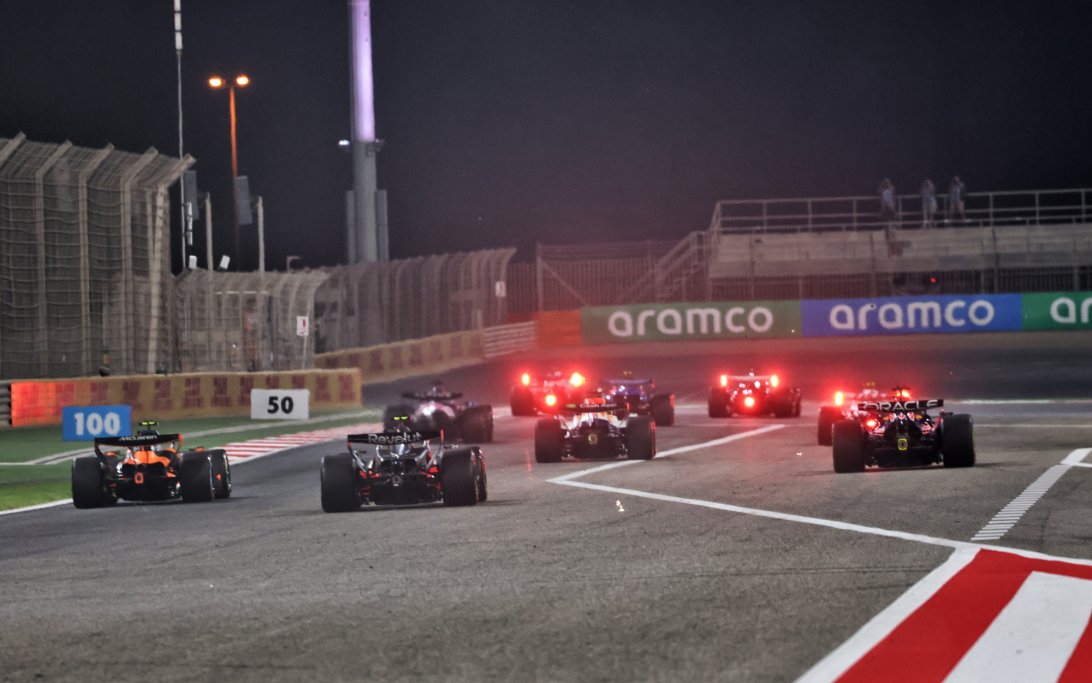
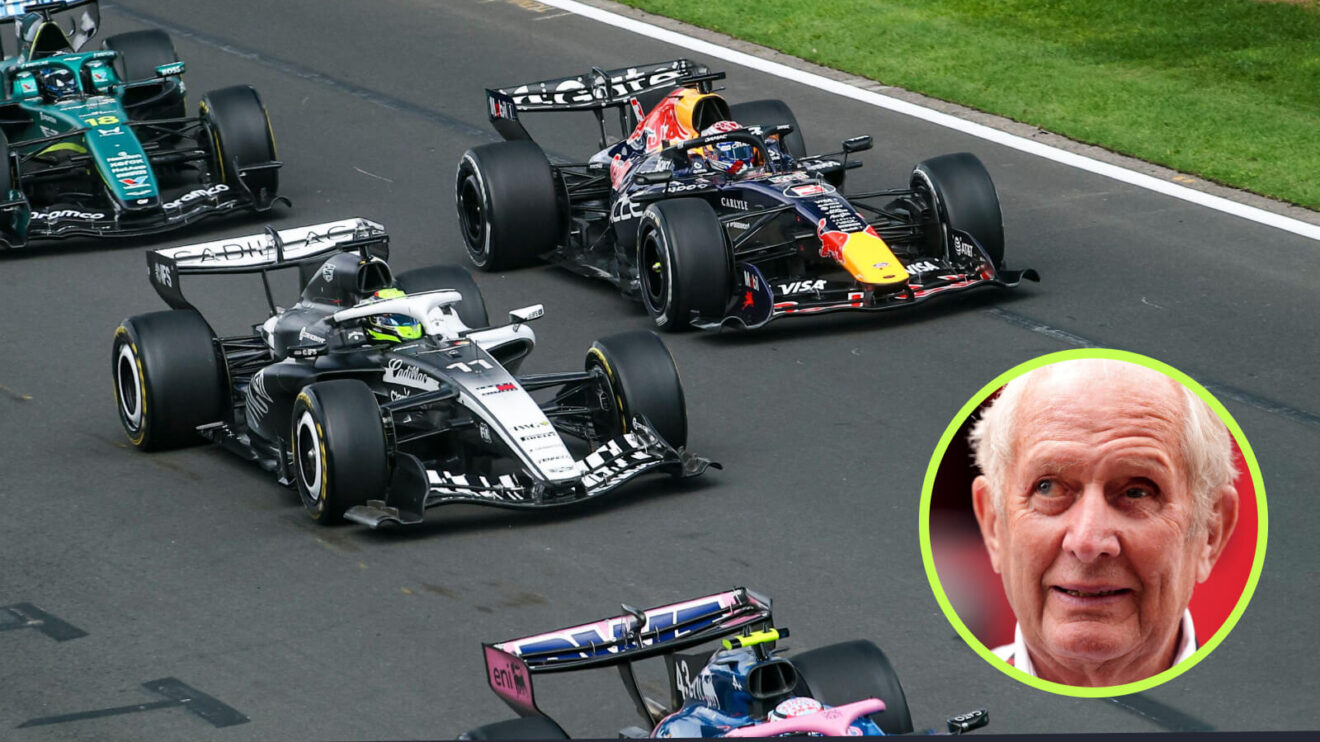
The timing sheets from Melbourne do not lie. They show eight frantic lead swaps between George Russell and Charles Leclerc pulsing like irregular heartbeats on a monitor, each spike dictated by battery charge windows rather than the late-braking duels that once defined the sport.
The Numbers Expose Energy as the New Master
Marko correctly flags the distinction between mere passing and authentic overtaking, yet the raw telemetry tells a deeper story. Lap deltas in that early battle aligned almost perfectly with energy deployment graphs, not driver error margins or corner-exit traction data. This is the same pattern that will accelerate within five years: hyper-focus on analytics will suppress intuition until pit walls issue algorithmic commands that turn drivers into passengers executing pre-loaded scripts.
- Russell-Leclerc exchanges tracked battery state-of-charge thresholds within 2 percent accuracy across the straights.
- Throttle lift points appeared on straights where classic lines demanded full power, creating the visual disconnect Marko described.
- Kimi Antonelli's recovery to second place showed Mercedes' power unit maintaining consistent deployment curves while rivals suffered drop-offs exceeding 0.8 seconds per lap when energy reserves dipped.
These figures echo the warning in Schumacher's 2004 campaign. That season delivered 13 wins through near-flawless consistency born from driver feel, not real-time telemetry overrides. Ferrari's strategy then amplified his raw pace; today the same team structure too often amplifies noise around Charles Leclerc, whose 2022-2023 qualifying data still marks him as the grid's most metronomic performer when strategy does not intervene.
When Data Buries the Human Signal
The new regulations demand constant energy management that clashes with Formula 1's DNA, exactly as Marko observed. Drivers lifting mid-straight to preserve charge produces a racing product that feels alien because it is. The sport is inching toward robotized execution where lap time drop-offs will soon correlate more with software updates than personal pressure events.
"It will certainly get better," Marko conceded, yet he also labeled the rules far too complicated.
That complication is the point. Complex energy formulas reward teams with superior modeling, not drivers who sense grip through the wheel. Within half a decade the same data obsession will standardize strategies to the point that two identical cars on the same tire compound will produce identical sector times regardless of who is behind the wheel.
Pressure Traced in Milliseconds
Emotional archaeology through numbers reveals the cost. When Leclerc's lap times fluctuated during those eight exchanges, the variance matched energy maps rather than the micro-corrections that separate great qualifiers from the pack. Schumacher's 2004 consistency, by contrast, showed variance under 0.15 seconds across entire race distances because the car responded to his inputs without an intervening algorithm deciding deployment.
The Coming Sterility
Mercedes currently holds the largest performance buffer because its energy deployment model aligns best with the new constraints. That advantage will narrow only when every team perfects the same predictive software. At that moment the racing becomes predictable, sterile, and stripped of the late-braking moments that once made overtaking feel earned. Marko sees the present problem. The timing sheets already forecast the colder future.
Join the inner circle
Get the deep dives and technical analysis from the world of F1 delivered to your inbox twice a week.
Zero spam. Only high-octane analysis. Unsubscribe anytime.