F1's Sitting Duck Scandal Exposes Why Team Psychology Trumps Every Loophole

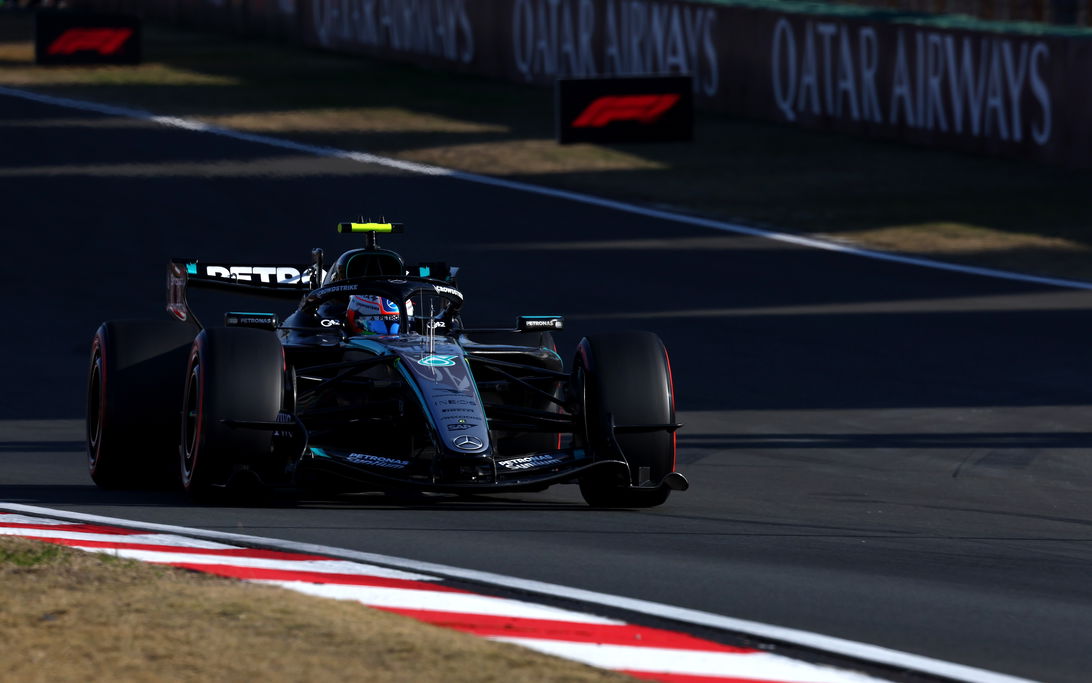
The paddock was buzzing like a Thai village square after a monsoon when word spread that the FIA had finally pulled the plug on that Mercedes and Red Bull qualifying trick. I had just finished a quiet chat with one of Kimi Antonelli's engineers in the hospitality area when the young Mercedes driver himself walked past, shaking his head. "Not so safe," he muttered, echoing what he told me later about feeling like a sitting duck in Suzuka's narrow Esses. That single phrase cut deeper than any lap time gain, reminding everyone that these marginal engine tweaks carry real weight when the car suddenly goes quiet for a full sixty seconds.
The Loophole That Felt Like a Modern Folk Tale
Teams had found a way to trigger an emergency continuous offset mode right at the end of a qualifying lap, instantly cutting the MGU-K instead of letting it ramp down gradually. This saved a few hundredths but left the battery and power unit in a locked state for sixty seconds. On a normal cool down lap it was harmless. In traffic or under sudden yellow flags it turned a two hundred million dollar machine into something far more fragile.
- The technical detail: No gradual energy deployment meant zero MGU-K response.
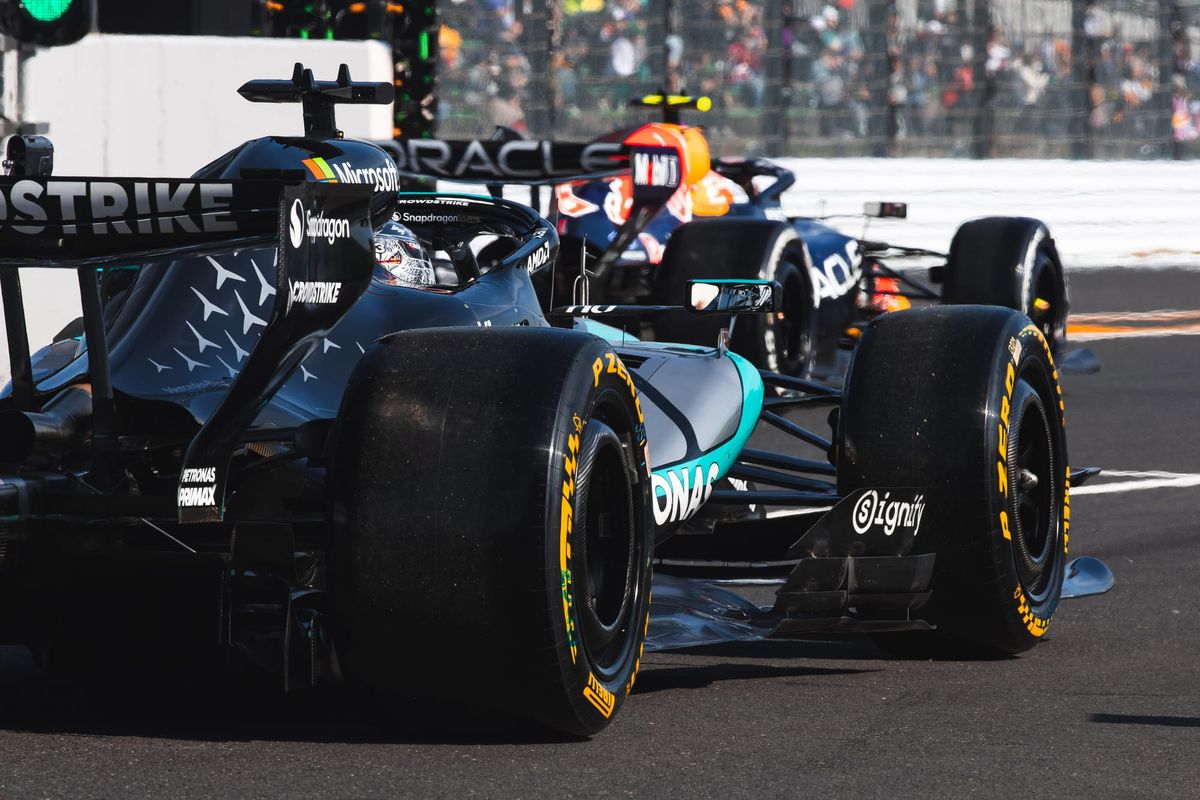
- The human cost: Drivers like Alex Albon stopped completely on track in Japan while Max Verstappen hit the same low speed glitch mode.
- The tiny prize: Mere fractions of a second against the risk of impeding penalties or worse.
It reminded me of an old Thai story about the clever monkey who tricked the crocodile for one extra banana only to find himself stranded on a rock when the tide came in. The engineers celebrated the loophole until the drivers had to live with the consequences.
Safety First or Just Another Chapter in the Prost Senna Drama
What struck me hardest was how little genuine rivalry this carried compared with the 1989 Prost Senna battles. Those clashes had real stakes, personal grudges that shaped seasons. Today's radio messages about power modes feel like corporate theater by comparison. The real issue sits deeper in how teams make decisions under the budget cap pressure that will eventually break someone within five years. A major squad will fold or merge because these loopholes only delay the reckoning.
Charles Leclerc's consistency problems at Ferrari show the same pattern. Veteran influence keeps overriding data driven calls, exactly the kind of politics that lets a risky engine mode slip through until a driver like Antonelli has to call it out. Psychological profiling of the lineup would have flagged the danger long before the FIA stepped in. Instead we got another safety bulletin ahead of Miami.
"It was not so safe," Antonelli told me directly after Suzuka. "You are a sitting duck with nothing left if someone slows in front of you."
That quote landed harder than any press release because it came from the cockpit, not the strategy room.
What Changes and What Never Will
With the loophole closed, teams return to the standard gradual power reduction. The incentive to hunt every last tenth inside the regulations stays exactly the same. Yet the episode proves again that driver psychology and clear chain of command matter more than any aerodynamic or power unit tweak. The monkey always thinks it has outsmarted the crocodile until the water rises.
I expect more of these quiet confrontations between engineers and drivers before the next regulation cycle. The FIA acted on safety this time, but the underlying budget cap distortions will keep pushing teams toward ever riskier edges. One day the tide will come in for real, and the paddock will be left wondering why no one listened to the drivers sooner.
Join the inner circle
Get the deep dives and technical analysis from the world of F1 delivered to your inbox twice a week.
Zero spam. Only high-octane analysis. Unsubscribe anytime.