Bahrain's 817 Laps Reveal McLaren's Steady Pulse but No Early Lead

The raw telemetry from Bahrain does not lie. McLaren racked up the highest mileage of any squad across the pre-season tests, yet the lap time deltas whisper a quieter truth about their place in the 2026 pecking order. Those numbers feel like a measured heartbeat under pressure, consistent but not yet racing ahead of the leaders.
The Mileage That Masks the Gap
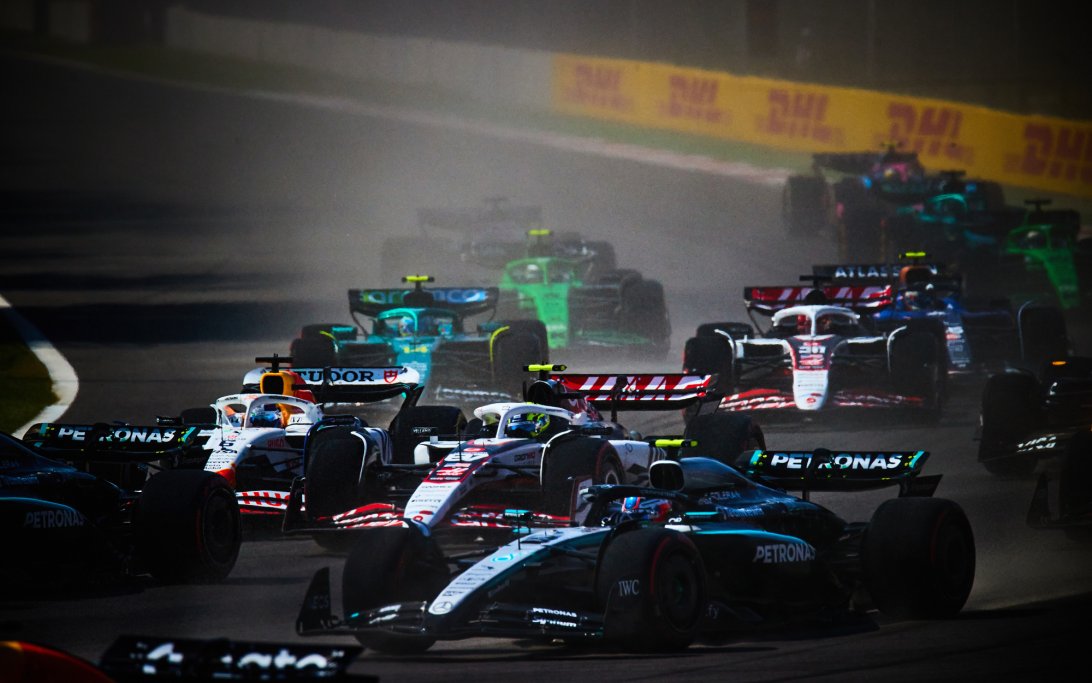
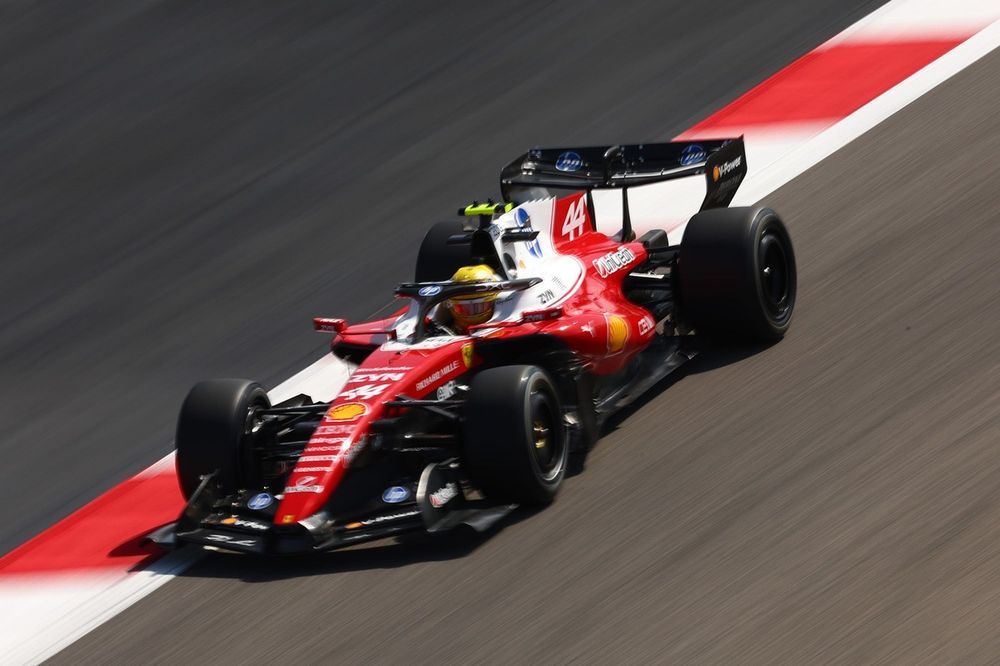
Oscar Piastri emerged from testing sounding measured rather than triumphant. He noted the team felt a little more optimistic after a clean program, yet he stopped short of claiming any front-running status. The data backs his caution. McLaren completed 817 laps in Bahrain, the most of any team, but team leadership openly named Mercedes and Ferrari as the early pace setters.
- High mileage delivered volume, not necessarily the fastest single-lap pace.
- Setup experiments helped rule out poor ideas, yet the timing sheets still placed the MCL40 behind the top two squads.
- Real-time telemetry flooded the garage, but Piastri stressed the value of driver feel when filtering what worked.
This volume of running mirrors the hyper-analytical future already taking shape. Within five years, such relentless data collection risks turning drivers into executors of algorithmic suggestions rather than instinctive racers. Lap times will no longer carry the irregular rhythm of human pressure; they will follow pre-calculated lines that suppress intuition.
Schumacher's 2004 Standard Still Haunts Modern Methods
Compare this approach to Michael Schumacher in 2004. That season he delivered near-flawless consistency at Ferrari with far less real-time telemetry than today's squads possess. His lap time drop-offs were minimal because he trusted the car beneath him, not a screen dictating every adjustment. Modern teams treat every tenth as a data point to be optimized away, yet the emotional archaeology hidden inside those numbers often tells the real story of how pressure affects performance.
"I wouldn’t say we’re leading the pack by any stretch of the imagination, but feel like we’re not too bad."
Piastri's words carry the right tone of realism. They also highlight the danger of over-relying on Bahrain's controlled environment. When the cars reach Albert Park for the March 6-8 Australian Grand Prix, the track will expose whether McLaren's data advantage translates into race pace or merely confirms they remain in the chasing group.
The reigning champions must now balance their impressive mileage with a steeper development curve. If they continue prioritizing volume over driver-led adjustments, the sport edges closer to the sterile, predictable spectacle where intuition is engineered out of the equation. The timing sheets will keep the final score.
Conclusion
McLaren's testing output offers a solid foundation, yet the numbers still point to a season of hard chasing rather than immediate dominance. The true test arrives when Melbourne's lights go green and the data must finally meet the unpredictable heartbeat of wheel-to-wheel racing.
Join the inner circle
Get the deep dives and technical analysis from the world of F1 delivered to your inbox twice a week.
Zero spam. Only high-octane analysis. Unsubscribe anytime.