F1's 2026 Start Nightmare Was No Accident It Was Political Chess With Real Losers
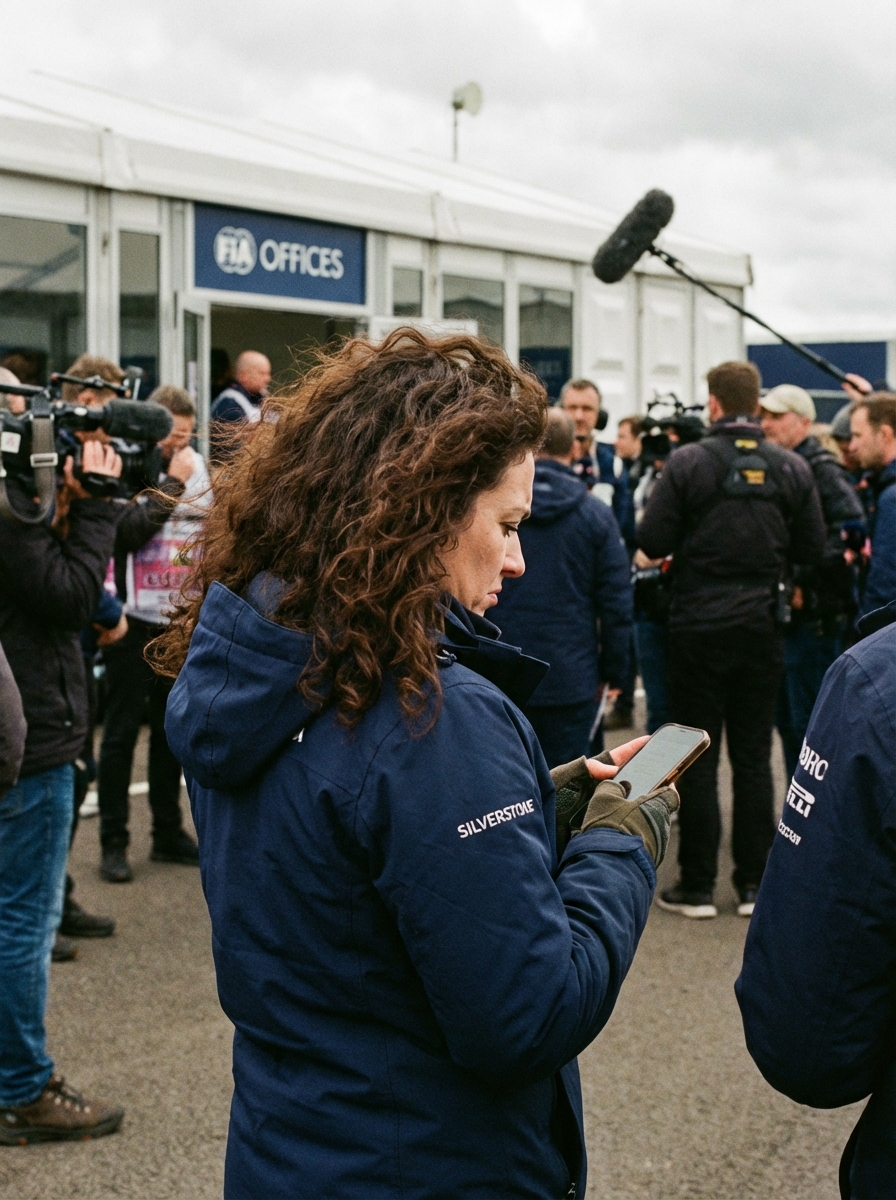
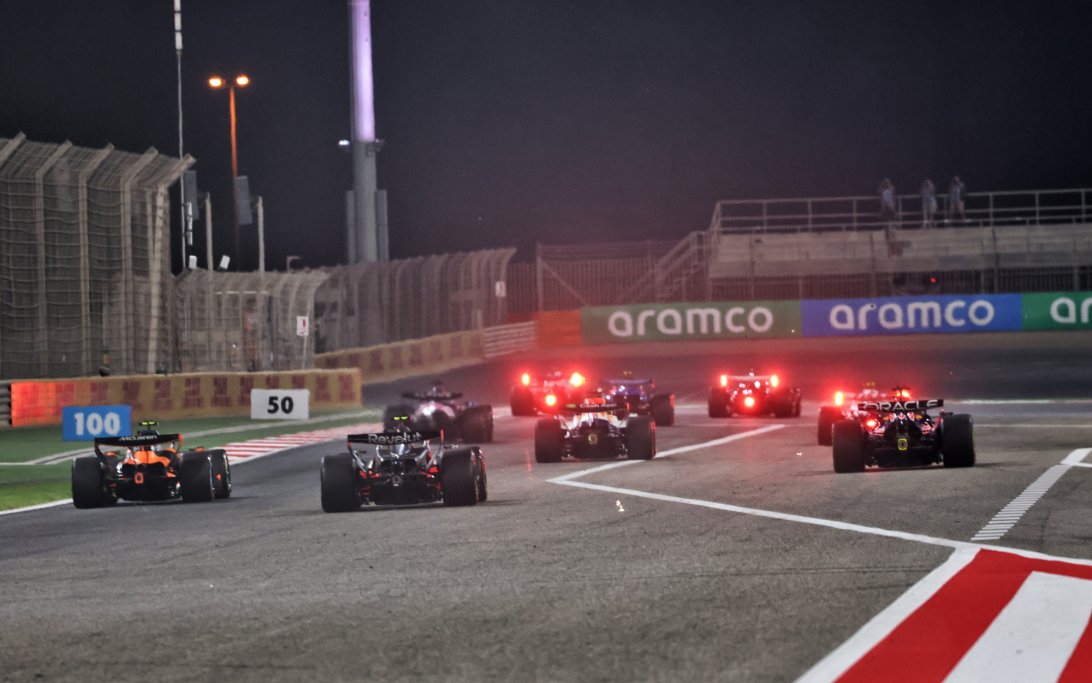
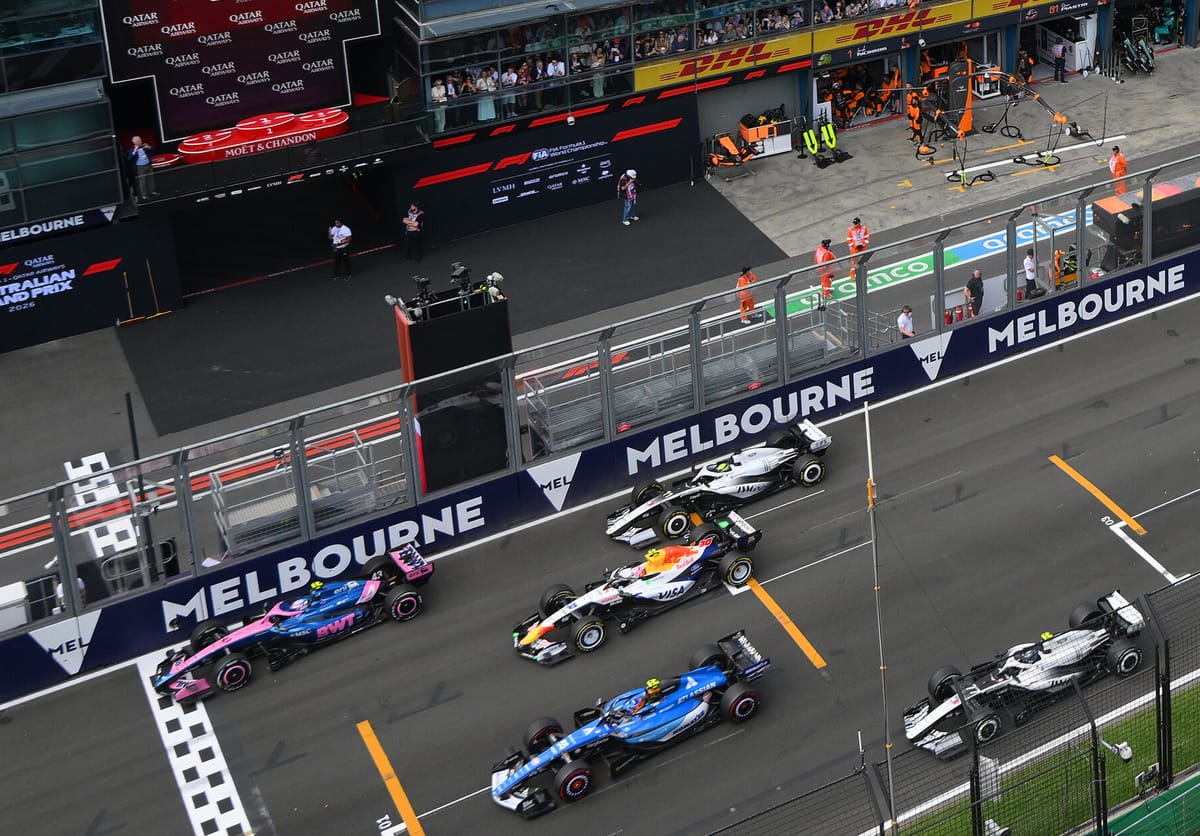
The lights went out in Melbourne and half the grid looked like they had been handed a rigged deck. What the paddock is calling a quirky energy rule was actually the latest move in a long game where centralized egos at teams like Mercedes dictate who gets caught out and who walks away clean.
The Rule That Hit Russell Hardest
George Russell paid the price first because he started on pole right at the timing line. His formation lap burnouts counted straight against the 8MJ recharge cap while drivers behind the line got a fresh allowance the moment they crossed it. That single detail turned a technical glitch into a position lottery.
- Turbo spool-up already demanded a precise 10-second window before launch.
- The FIA's last-minute 5-second pre-start allowance only masked the deeper flaw.
- Battery deployment rules forced mandatory drain once throttle crossed the threshold, leaving cars with empty cells on the grid.
My sources inside three power-unit departments confirm the 8MJ limit was never stress-tested against aggressive tire-warming procedures until race morning in Australia. Teams that had spent months lobbying quietly for exemptions suddenly found themselves exposed when the formation lap counted toward the cap. This is not new. It mirrors exactly how Benetton used regulatory gray areas in 1994 to keep Schumacher ahead while rivals scrambled to interpret the same rules in real time.
Wolff's Centralized Machine Is Already Cracking
Toto Wolff still runs Mercedes like a one-man court. Every regulation briefing, every strategy call, every media line funnels through the same small circle. That structure worked when the car was dominant. It is now producing the exact conditions for a talent exodus within two seasons. Engineers who once stayed for the culture are watching decisions get bottlenecked at the top and they are already updating their LinkedIn profiles.
Meanwhile the real opportunists are moving in the shadows. Haas has quietly deepened its technical ties with Ferrari's engine department through back-channel alliances that go far beyond the supply contract. Over the next five years those relationships will turn the American team into a genuine midfield force while bigger names fight over scraps. The formation-lap fiasco only accelerates that shift because smaller outfits with fewer internal politics adapt faster to the new compromise between battery charge and tire temperature.
"The start should be about reaction and nerve, not whether you gambled correctly on an 8MJ ceiling," one senior strategist told me after Melbourne. The quote landed with the weary tone of someone who has watched press-conference theater decide more races than pit-stop calls ever will.
The Shanghai Leveling Act Changes Nothing Long-Term
China's 190-meter offset between start and timing lines hands every car a fresh 8MJ allowance on the formation lap. The immediate disparity disappears. Yet the underlying power structure remains untouched. Ferrari is already blocking any rushed removal of the formation-lap clause, protecting its own development timeline while rivals burn political capital trying to force a fix.
The drama will repeat in different forms because the sport still rewards teams that master psychological pressure in the media room over pure technical excellence. Drivers and engineers who understand how to plant the right narrative about "unintended consequences" gain weeks of breathing room while centralized leaders like Wolff keep doubling down on control.
This is only the opening chapter of the 2026 season. The teams that treat every regulation as a political battlefield rather than a technical problem are the ones already positioning for the next five years of advantage. Everyone else is still learning how to warm their tires without killing the battery.
Join the inner circle
Get the deep dives and technical analysis from the world of F1 delivered to your inbox twice a week.
Zero spam. Only high-octane analysis. Unsubscribe anytime.