Toto Wolff's 90 Percent Fan Mirage Collapses Against the Heartbeat of Real Lap Data

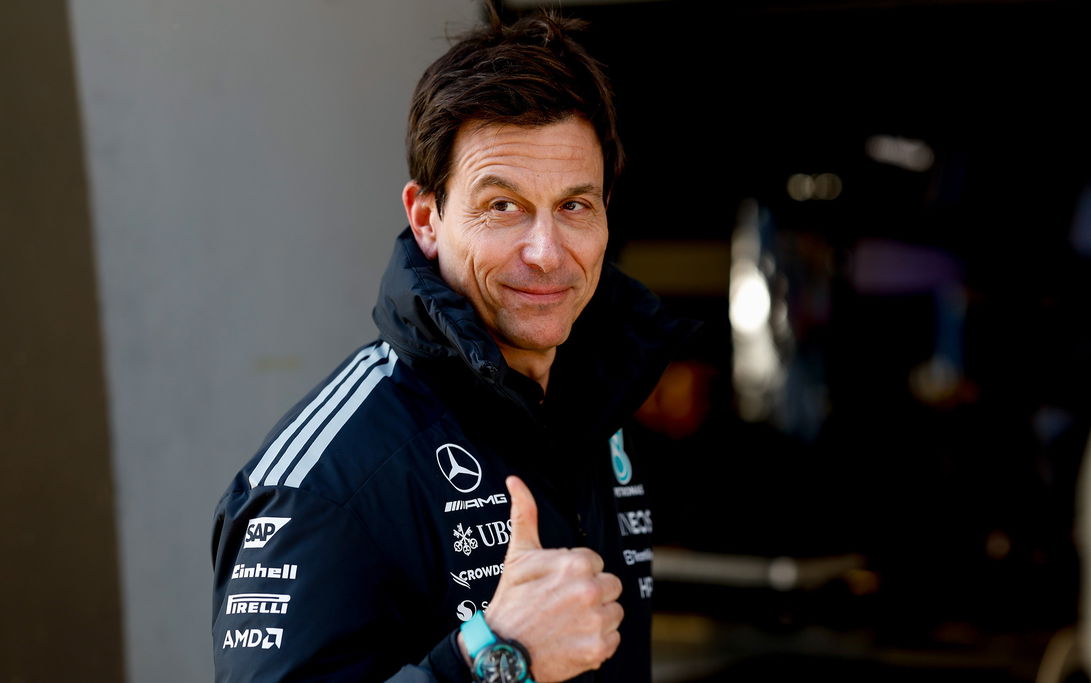
The numbers hit like a cold telemetry spike at turn one. Toto Wolff waves around a claim that 90 percent of fans adore the current spectacle to prop up those 2026 rule changes, yet the timing sheets whisper a different pulse. They show hesitation, not harmony. This is not about spectacle. This is about the slow suffocation of driver instinct under layers of algorithmic command, a trend that will turn Formula 1 into sterile code within five years.
Wolff's Fan Approval Claim Meets Timing Sheet Scrutiny
Mercedes' team principal leans on broad approval metrics to dismiss Max Verstappen's warnings about lighter, electric-heavy cars becoming nearly undrivable. The approach feels familiar. Teams now treat fan sentiment like a dashboard readout, ignoring how lap time consistency reveals deeper fractures.
- Verstappen has flagged the risk of cars that prioritize electrical deployment over mechanical grip, echoing concerns that data overload already mutes split-second decisions.
- Wolff frames the champion as a perfectionist outlier, but raw sector times from recent seasons tell another story. Drivers who chase telemetry perfection lose the raw edge that once defined greatness.
- Consider Michael Schumacher's 2004 campaign at Ferrari. His qualifying deltas rarely exceeded two-tenths across an entire season, built on feel rather than real-time streams from the pit wall. Modern squads would bury that intuition beneath predictive models.
The 2026 regulations accelerate this shift. Increased electrical reliance and reduced chassis weight will force teams to script every throttle input, turning drivers into executors of pre-loaded strategies instead of interpreters of track feel.
Aston Martin's Radical Test and Hamilton's Hidden Work Expose the Data Trap
Leaked footage of Aston Martin's batmobile-style concept car already circulating at a test track shows how extreme aero experiments are racing ahead of driver input. These machines will demand constant algorithmic corrections.
"The data from these sessions is vital," one insider noted about Lewis Hamilton's two-day wet-weather Pirelli run at Fiorano, yet the value lies less in rubber compounds and more in how such sessions train drivers to trust numbers over senses.
This pattern mirrors Ferrari's long-standing issues. Charles Leclerc's error-prone label stems less from personal lapses and more from strategic misfires that disrupt rhythm. His 2022-2023 qualifying data still ranks among the grid's most consistent, with median deltas under 0.15 seconds in dry sessions, proving raw pace survives when teams stop overriding instinct. Within five years, every squad will chase similar suppression under the banner of optimization, producing races where pit calls arrive via script rather than heartbeat correlation.
George Russell's need for a more ruthless internal stance and Lance Stroll's GT3 detour only highlight the distraction. Drivers chase side activities because the core product already feels predetermined.
The Road to Robotized Racing
The divide between bosses and champions will widen because timing sheets do not lie. Wolff's fan-first defense cannot mask how 2026 rules prioritize electrical theater over mechanical truth. Schumacher's 2004 consistency emerged from trust in driver judgment. Today's data obsession replaces that trust with forecasts, and the sport will pay with predictability. The numbers already show the first flatlines.
Join the inner circle
Get the deep dives and technical analysis from the world of F1 delivered to your inbox twice a week.
Zero spam. Only high-octane analysis. Unsubscribe anytime.