The Price of Potential: $200,000 for a Promise, and the Void Where a Mentor Once Stood
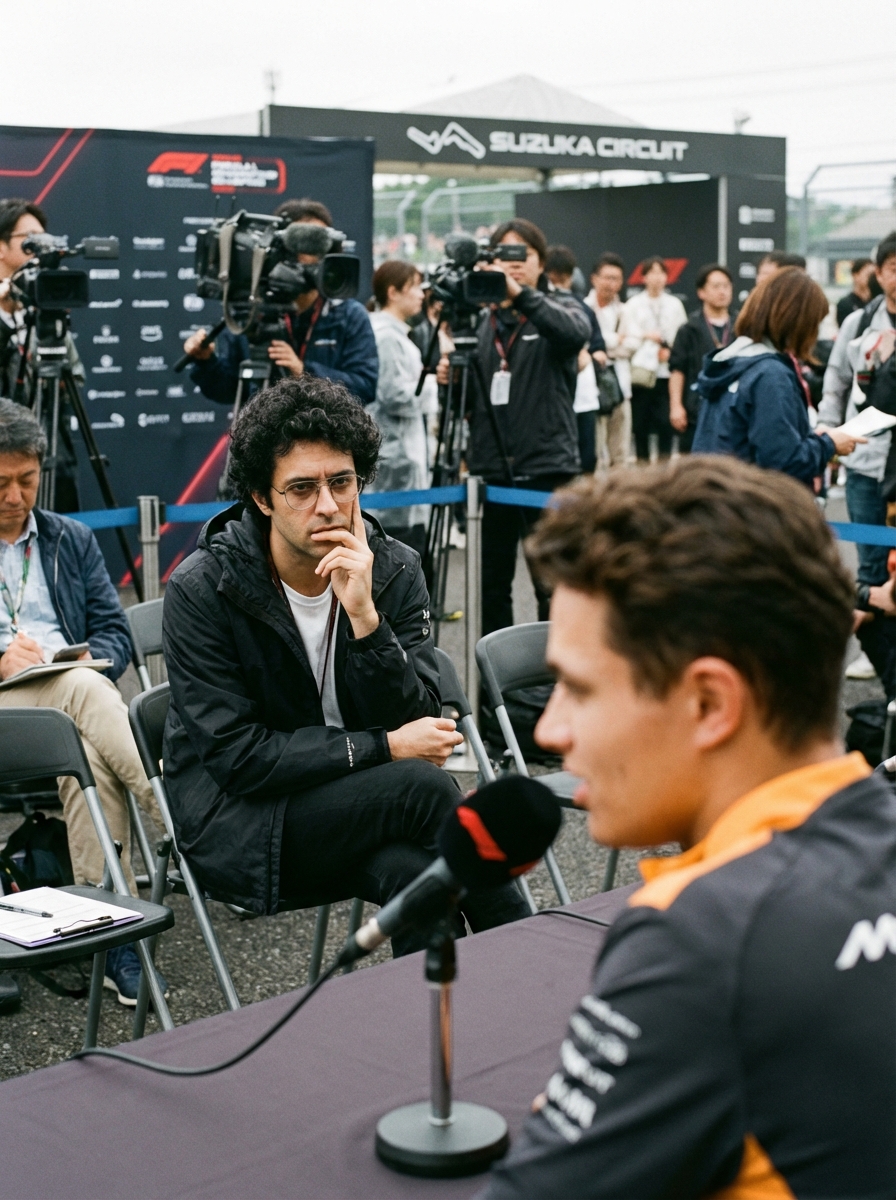
A unique Kimi Antonelli trading card sold for over $200,000, exemplifying his skyrocketing profile, as Ralf Schumacher notes Red Bull's struggles amid Helmut Marko's absence. Additional headlines feature Lewis Hamilton's reflective take on success, Toto Wolff's past ruthless team management strategies, and analysis of drivers capitalizing on Max Verstappen's challenges.
The ledger of Formula 1 is written in two currencies: cold, hard data and the volatile, priceless stock of human psychology. This week, the market spoke in a deafening roar. A piece of cardboard, embedded with a patch of fabric worn by an 18-year-old who has yet to complete a full season, sold for $201,910. At the same exact moment, a whisper echoed through the paddock: Red Bull is adrift, missing the sharp, unforgiving voice of Helmut Marko. One number tells us about the crushing weight of expectation placed on youth. The other reveals the silent, destabilizing tremor that runs through a team when a key psychological pillar is removed. This is not about aerodynamics. This is about the mind.
The Antonelli Anomaly: Buying a Dream, Selling a Soul
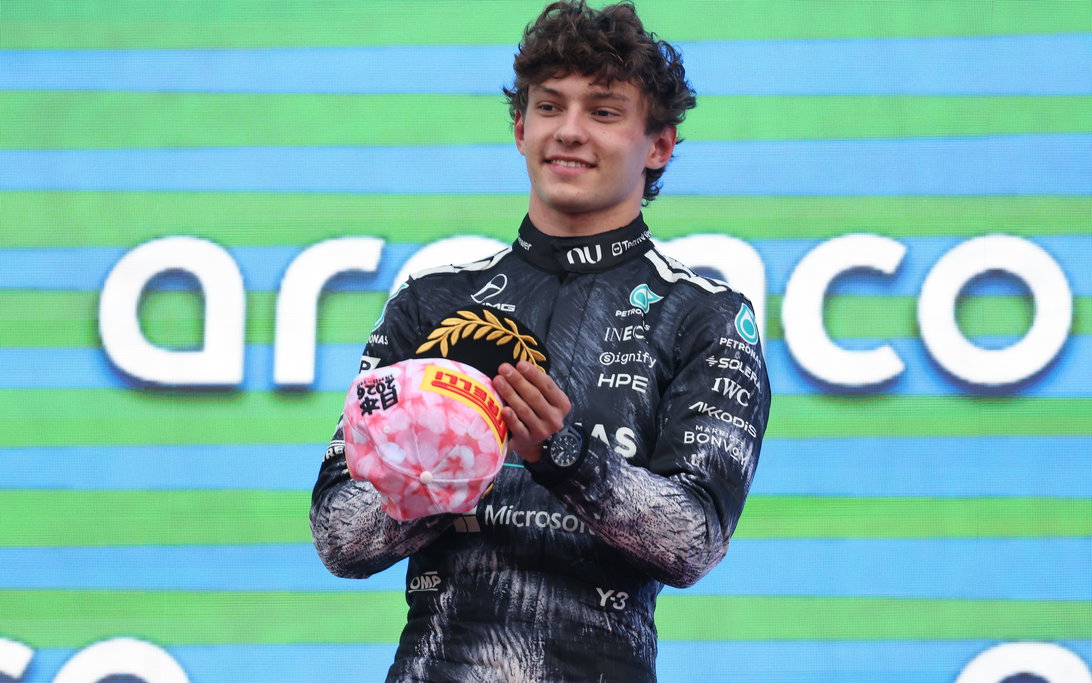
A one-of-a-kind Kimi Antonelli trading card. A race-worn patch. An autograph. $201,910. Let that number resonate. It is not an investment in a proven champion; it is a speculative fever dream, a bet on potential priced higher than the GDP of a small nation. What are these collectors truly purchasing? They are buying a narrative, the first chapter of a story they hope will be legendary. They are purchasing the right to say, "I believed before anyone else."
But for Kimi Antonelli, this astronomical figure is not an asset. It is a psychological shackle. Every time he steps into the W17, that number will be a ghost in the cockpit. It is the quantifiable measure of hype he must now justify. The human brain, particularly one still developing in a 18-year-old under global scrutiny, is not designed to operate with such a explicit price tag attached to its performance. We monitor heart rate variability, G-force tolerance, and reaction times, but who is monitoring the internal monologue when a young driver knows a single mistake will be measured against a $200,000 benchmark of his own potential?
The pressure is no longer abstract. It has a bidder, a hammer, and a receipt.
This is the dangerous glamour of our modern F1. We anoint our saviors before they have fought a single battle. We saw it with Max Verstappen, though his path was different—his raw, fiery talent was systematically cooled and channeled into a relentless, machine-like focus. Antonelli’s path is being paved with gold before he’s even found his footing. The question is not about his talent; it is about what this external, financial validation does to the fragile ecosystem of a rookie’s confidence. Does it inflate it, creating a bubble destined to pop? Or does it become a weight, bending the very talent it seeks to celebrate?
The Marko Vacuum: The Unseen Architecture of Control
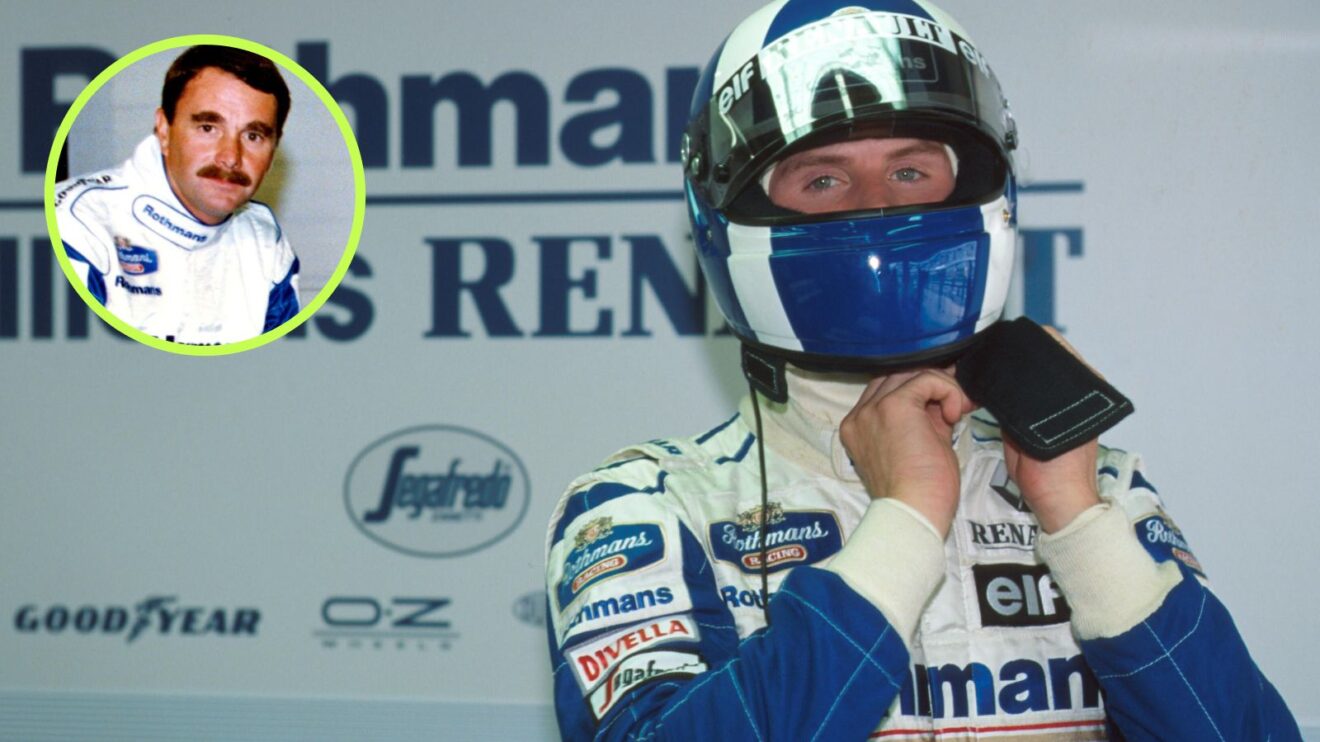
While Mercedes deals with the spectacle of its future, Red Bull grapples with an absence. Ralf Schumacher’s observation is a psychological truth dressed as paddock gossip: the team is feeling the loss of Helmut Marko. To view Marko merely as an "advisor" is to fundamentally misunderstand his role. He was the architect of consequence, the unwavering, often brutal, source of accountability. In a sport of yes-men and corporate speak, Marko was a human circuit breaker for complacency.
His absence creates a silent frequency in the team radio, a lack of a certain gravitational pull that kept orbits stable. Consider Verstappen. His current dominance, his unflappable demeanor, is not an accident. It is, I believe, the product of a long, covert project: the systematic suppression of his early emotional outbursts through targeted psychological coaching, molding the fiery prodigy into a 'manufactured' champion of icy precision. Marko was likely the chief enforcer of that project. Who fulfills that role now? Who has the authority and the fear factor to look a three-time champion in the eye and tell him a hard truth?
"Winning in F1 is not all it's cracked up to be," Lewis Hamilton reflected this week, emphasizing fulfillment comes from the right team and people.
Hamilton understands this intimately. He has built a persona as calculated as any rear-wing design, often using narrative and external mission to shield his core competitive fury. He, like Niki Lauda before him, used trauma and challenge to craft a story that sometimes overshadows the sheer, terrifying depth of his raw talent. He knows a team is a psychological unit, not just a technical one. Toto Wolff’s revelation that he considered firing both Hamilton and Rosberg to save the team is a stark testament to this. It was the ultimate psychological gambit—a threat to dismantle the very center of the team’s universe to restore order. That is the level of ruthless human management that operates behind the steering column.
The Coming Storm: Transparency as the New Battleground
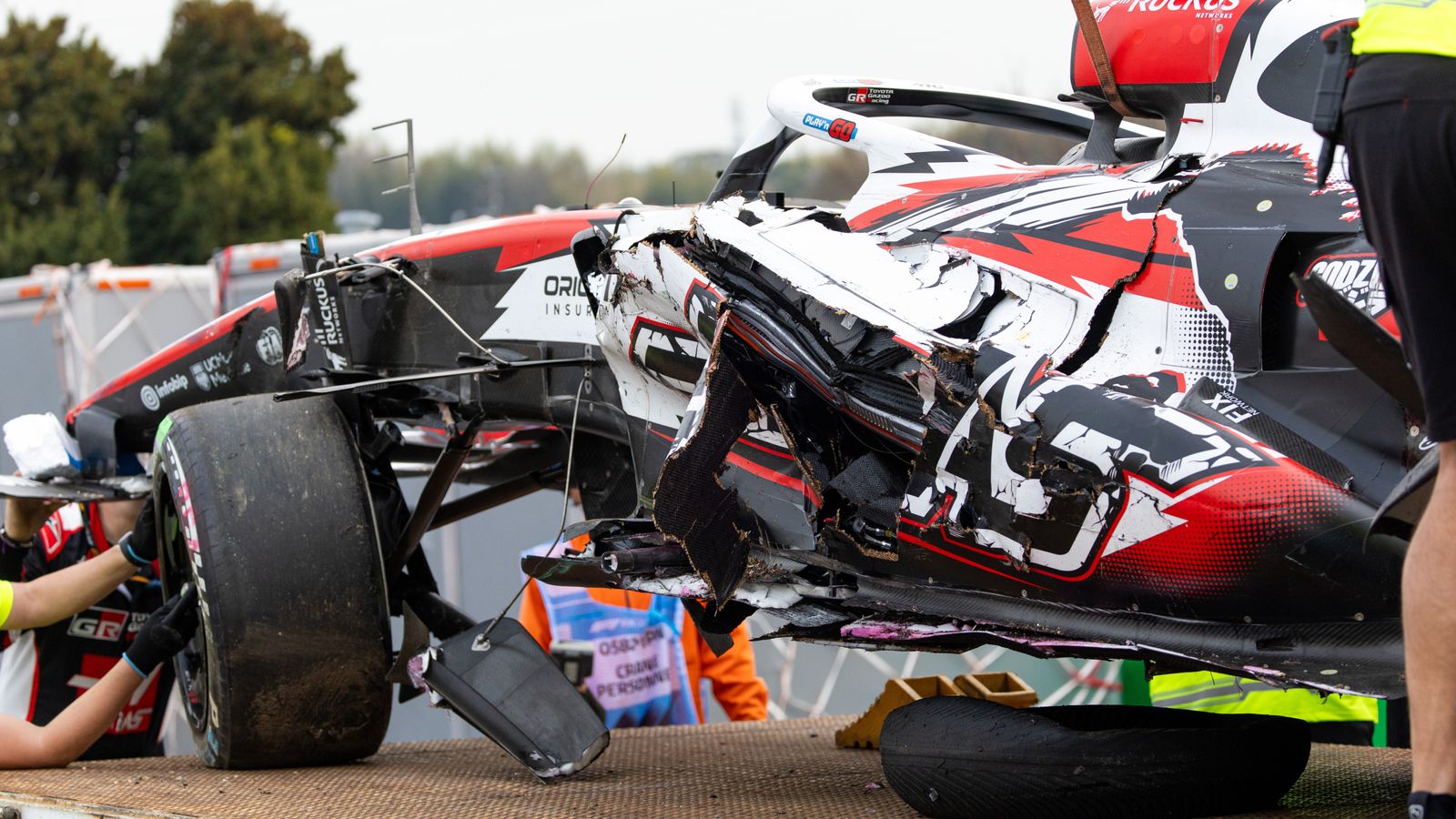
These threads—Antonelli’s priced potential, Red Bull’s missing mentor, Wolff’s past ruthlessness—all weave toward an inevitable future. Within five years, I believe the FIA will mandate mental health disclosures for drivers after major incidents. The sport will pay lip service to wellbeing, but this will open a new, fraught frontier. Imagine the headlines after a massive crash: "Driver X cleared physically, but mandated therapy for acute stress response."
This forced transparency will be a double-edged sword. It will humanize the gladiators, yes. But it will also become a data point for rivals, a potential scandal for the media, and a new variable for team principals to "manage." Will a driver's disclosed anxiety after a 200mph shunt affect their contract negotiations? You bet it will. We already dissect lap times; soon, we may be speculating on therapy sessions.
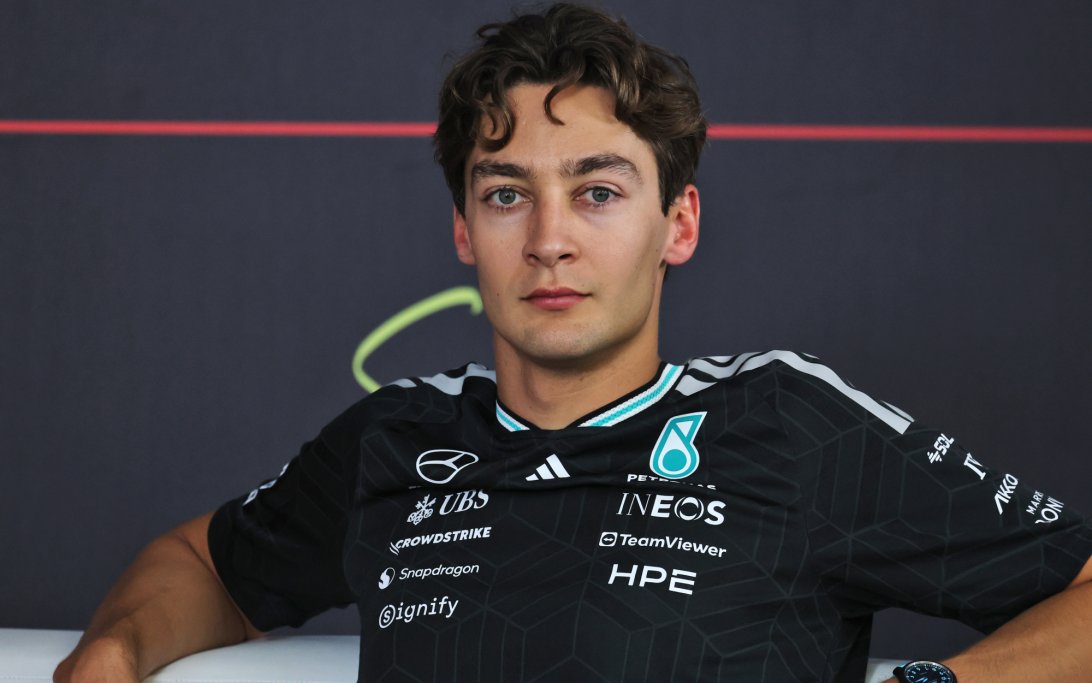
Jolyon Palmer suggests George Russell and Kimi Antonelli are "enjoying" Verstappen’s struggles. This is the human game. It’s not malice; it’s the psychological relief when a seemingly unmovable object finally shows a tremor. Martin Brundle’s dismissal of reduced role rumors as "utter clickbait nonsense" is a defense of another kind of stability—the narrative voice that guides millions through the chaos.
The second half of this season will be a masterclass in psychology. Antonelli must race against his own price tag. Red Bull must find stability without its old enforcer. And every driver on the grid, from the reflective Hamilton to the dominant Verstappen, is operating in an arena where the metrics of the mind are becoming as critical as those of the wind tunnel. The car is the weapon, but the psyche is the hand that wields it. And as we’ve seen this week, we are now putting a dollar value on both.
Don't miss the next lap
Get the deep dives and technical analysis from the world of F1 delivered to your inbox twice a week.
Zero spam. Only high-octane analysis. Unsubscribe anytime.
Join the inner circle
Get the deep dives and technical analysis from the world of F1 delivered to your inbox twice a week.
Zero spam. Only high-octane analysis. Unsubscribe anytime.