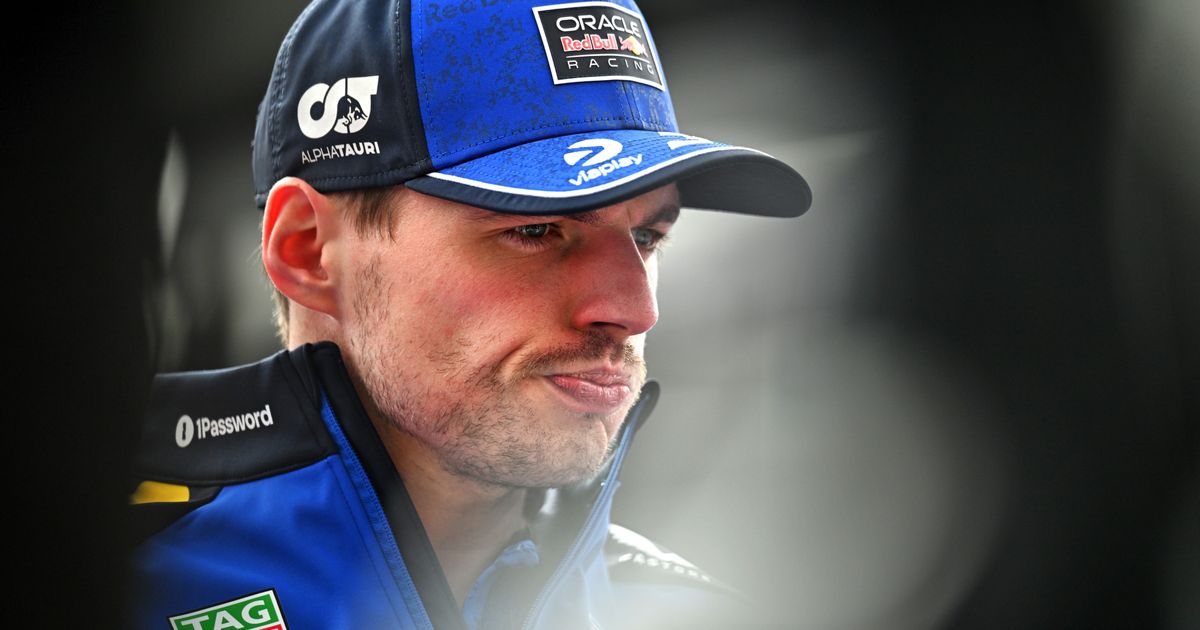
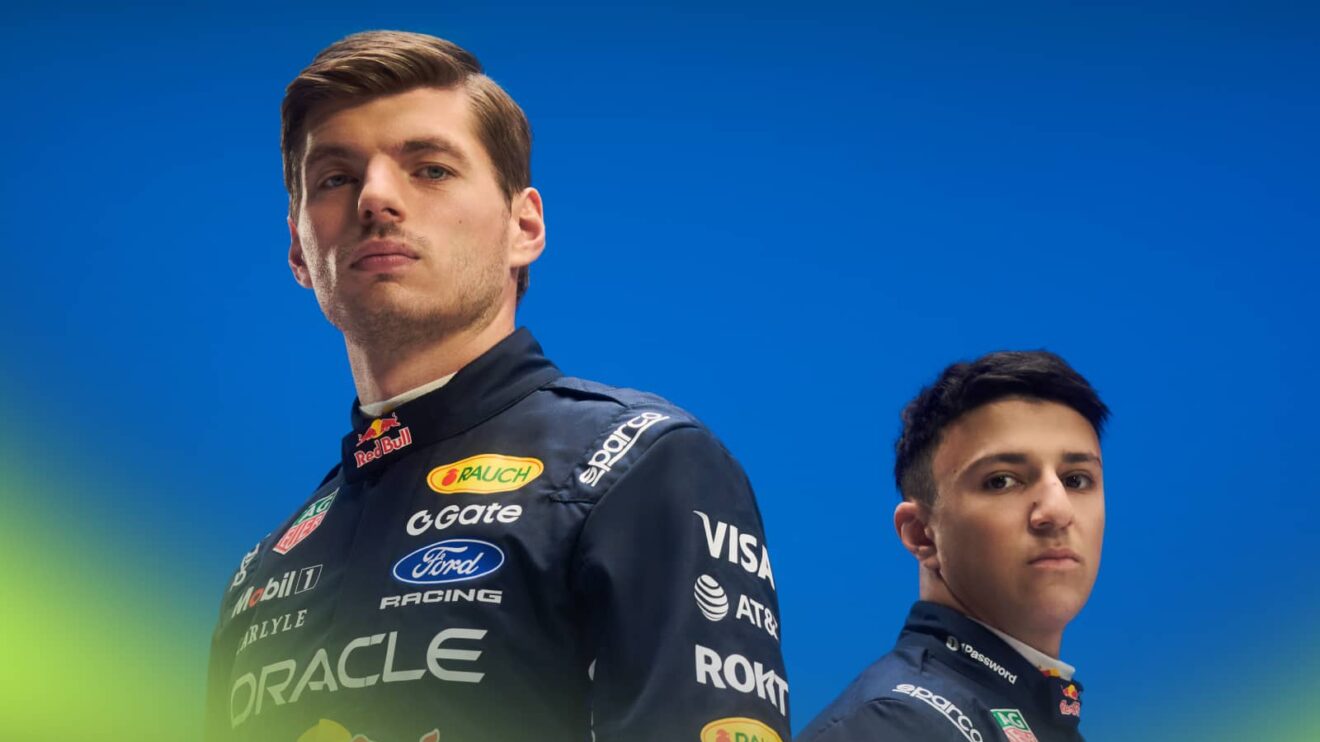
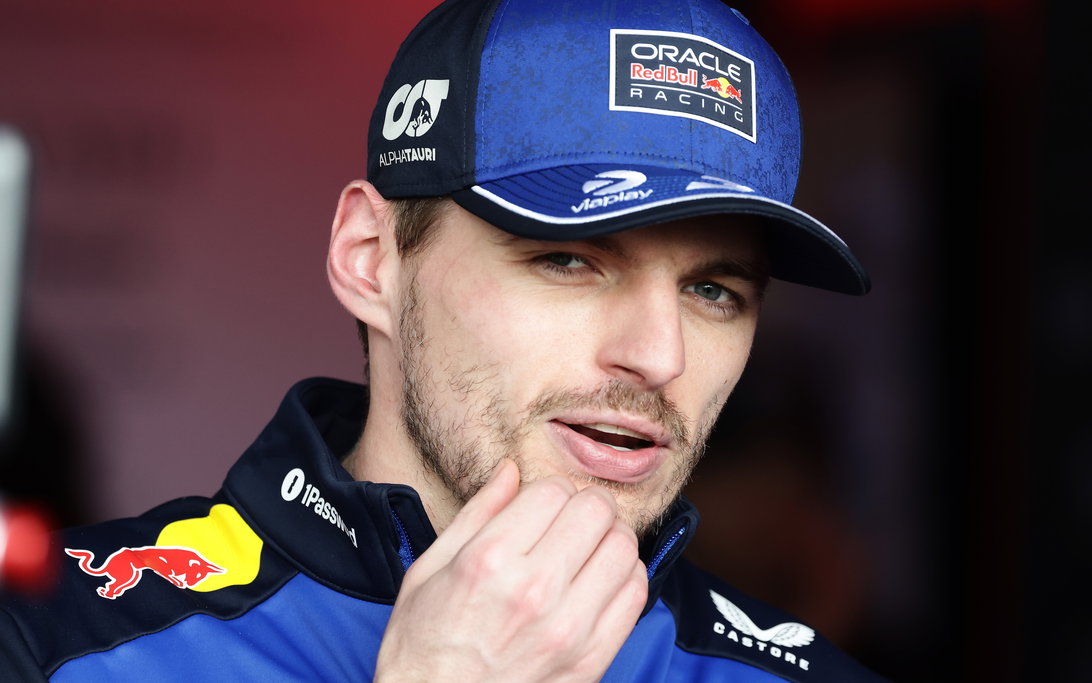
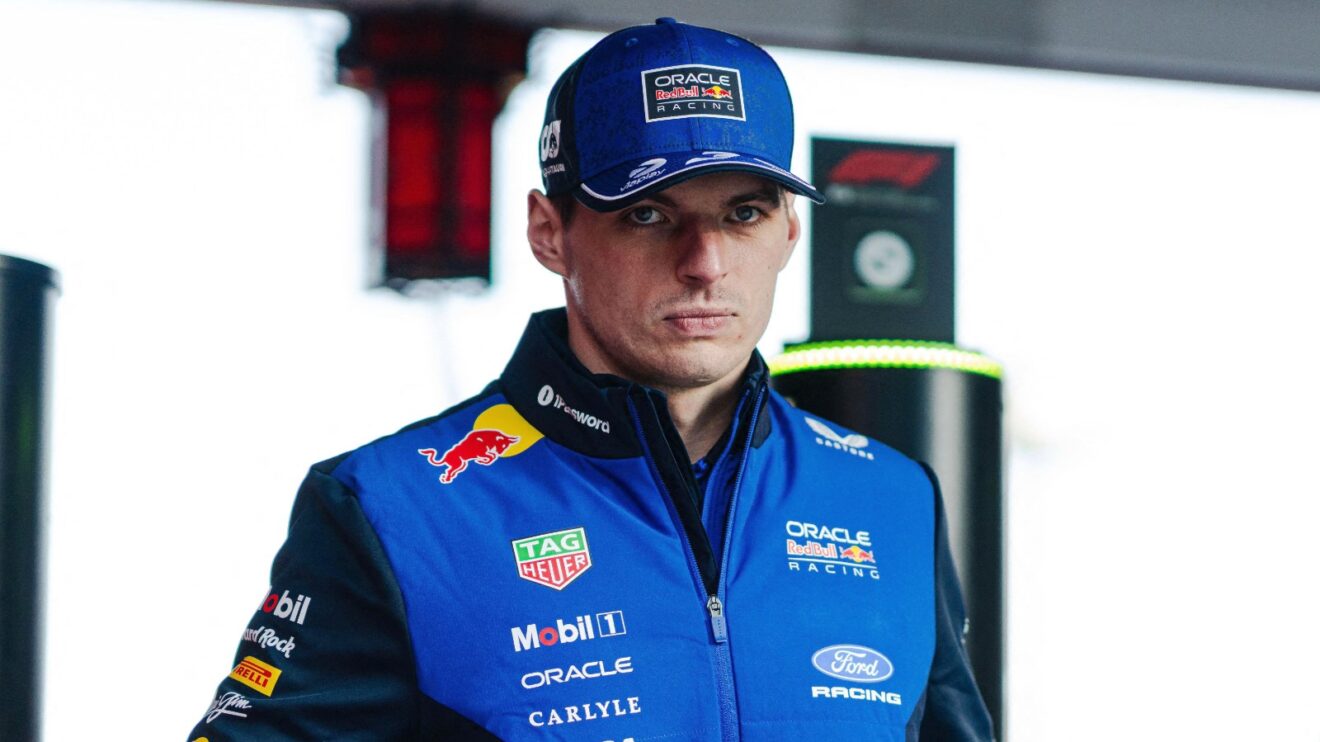
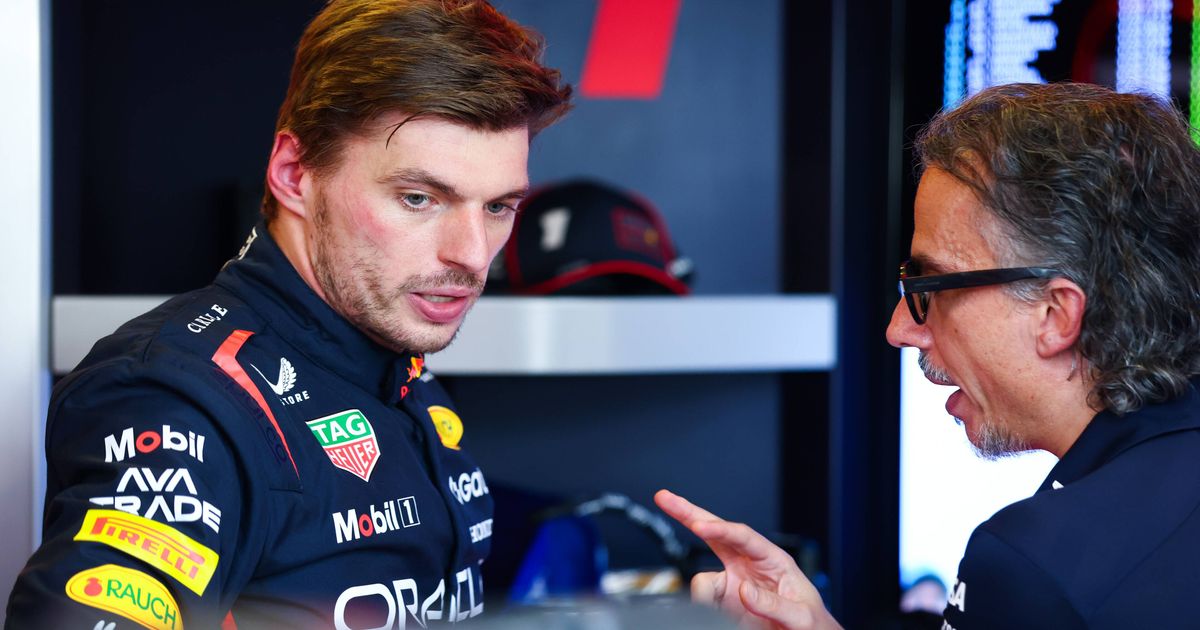
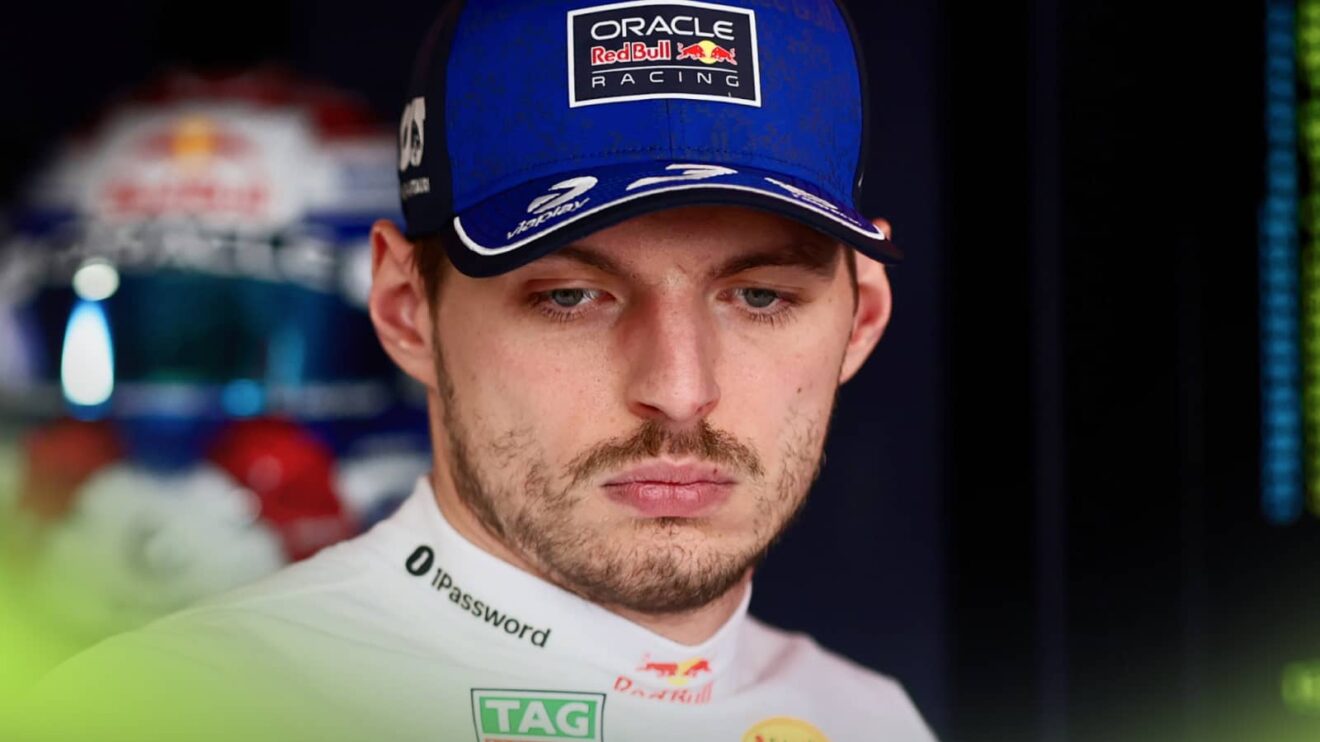
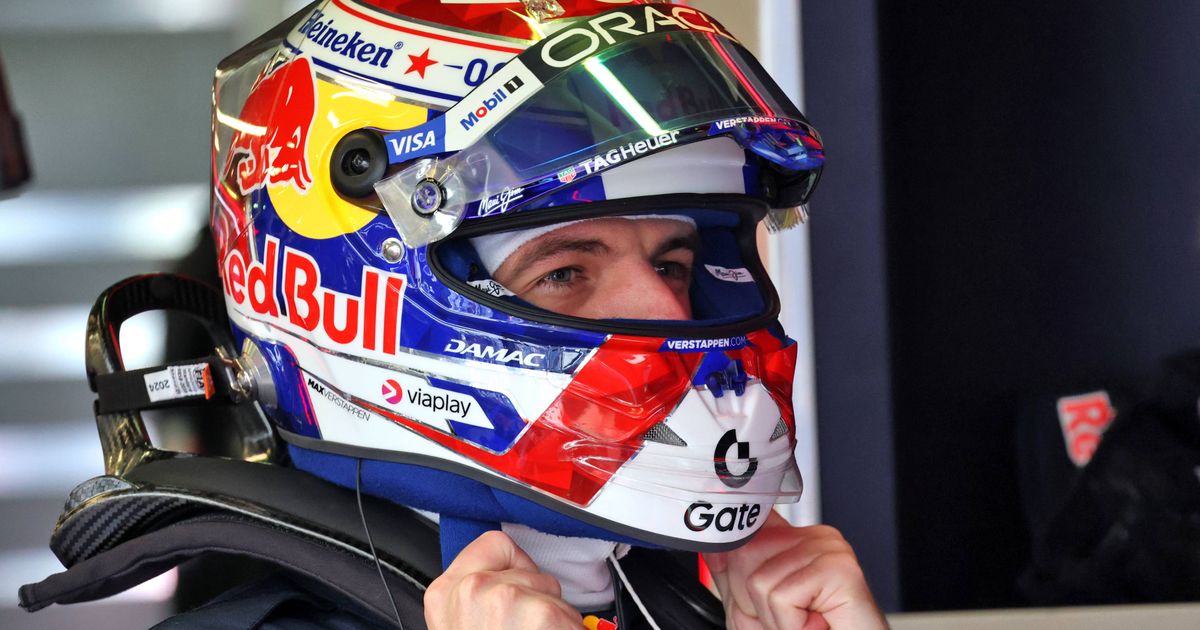
Martin Brundle has grown tired of Max Verstappen's continued threats to quit F1, calling the talk "boring." The Sky Sports pundit urged the champion to either leave or stop discussing it, though he acknowledged the validity of Verstappen's criticism of the current cars.
Adidas is rumored to be closing in on a major $31 million per year kit supply deal with Red Bull Racing starting in 2027, though the company has officially declined to comment. The potential agreement would see Red Bull end its historic partnership with Castore and align with the sportswear giant already working with Mercedes and Audi.
In a recent podcast, 1997 F1 champion Jacques Villeneuve opened up about his rookie-season title fight with Williams teammate Damon Hill in 1996. He shared that he felt no ill will after losing the championship, seeing it as a strategic step that cemented his team status and paved the way for his own title victory the very next year.
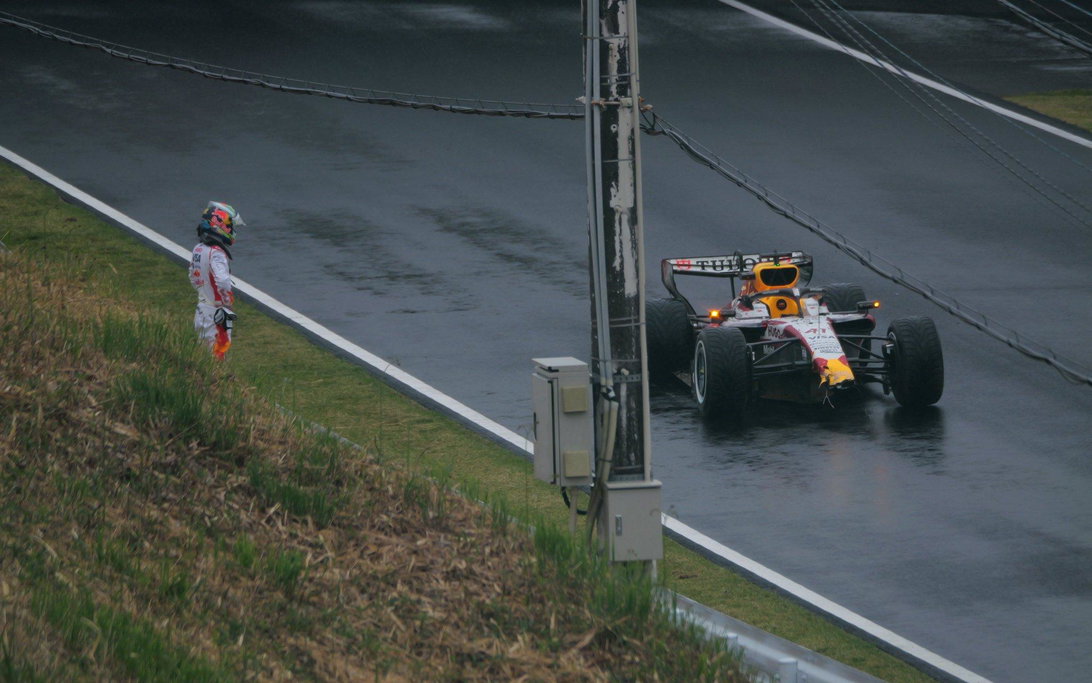
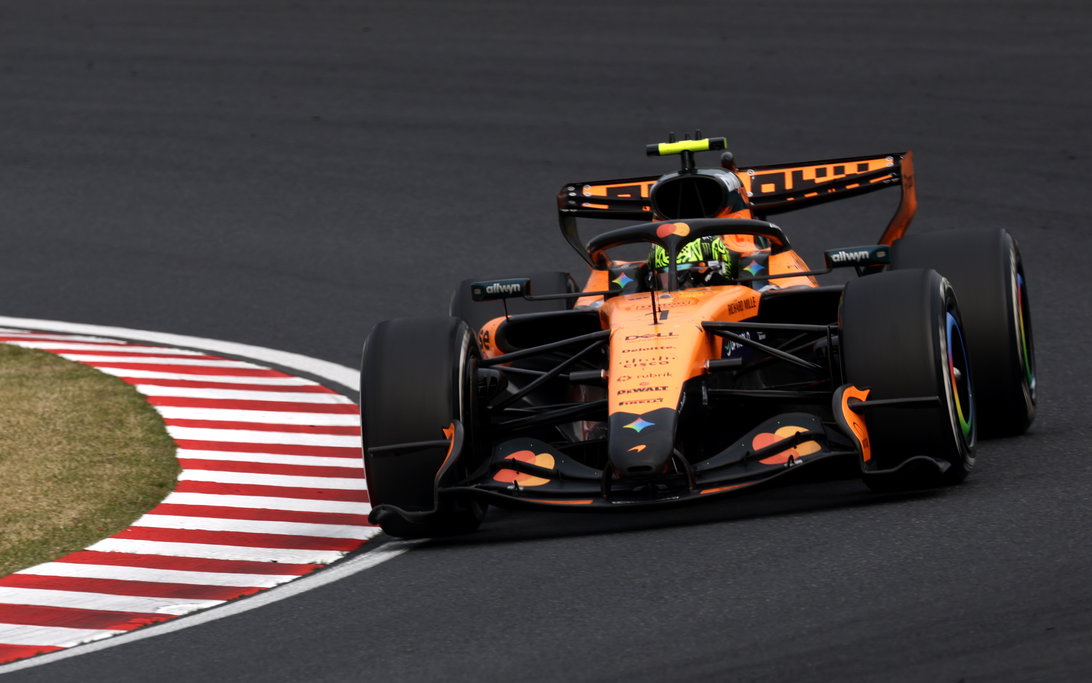
Lando Norris expressed sympathy for teammate Oscar Piastri, who lost a potential victory at the Japanese GP due to an ill-timed Safety Car. Norris acknowledged Piastri's strong drive and McLaren's missed opportunity for their first win of 2026, but found positives in the team's improved performance direction.
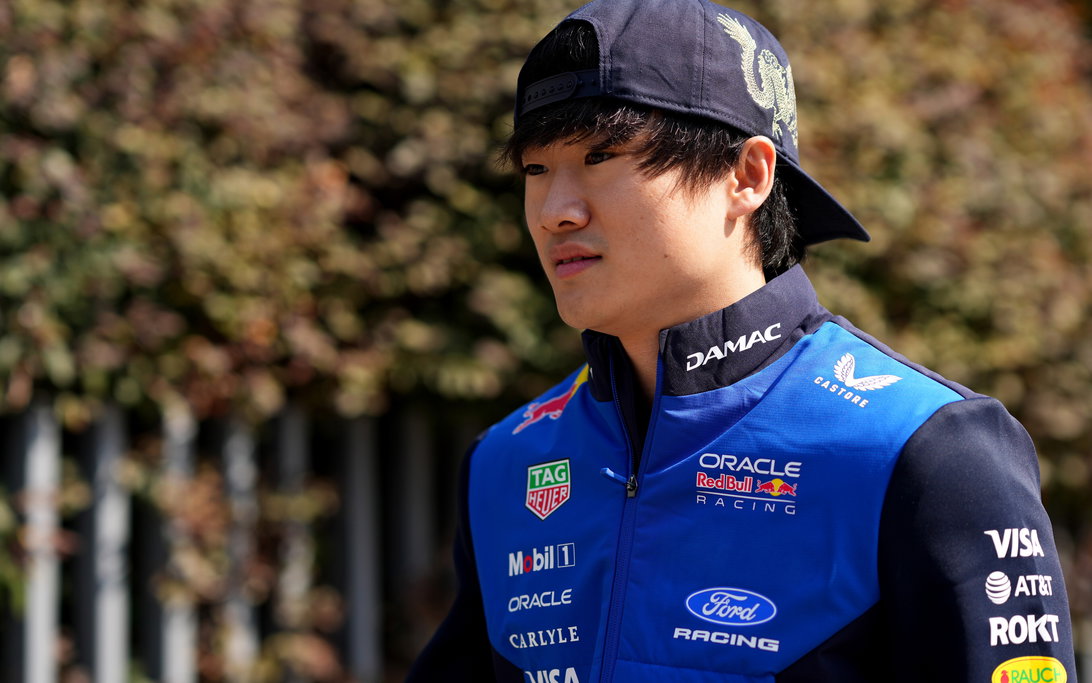
Yuki Tsunoda, now serving as Red Bull's reserve driver after a difficult 2025 season with the senior team, is openly targeting a return to a full-time F1 seat. He admits watching races from the garage is tough but is using the time to stay visible in the paddock and focus on self-improvement, positioning himself as the next candidate for a vacancy at Red Bull or Racing Bulls.
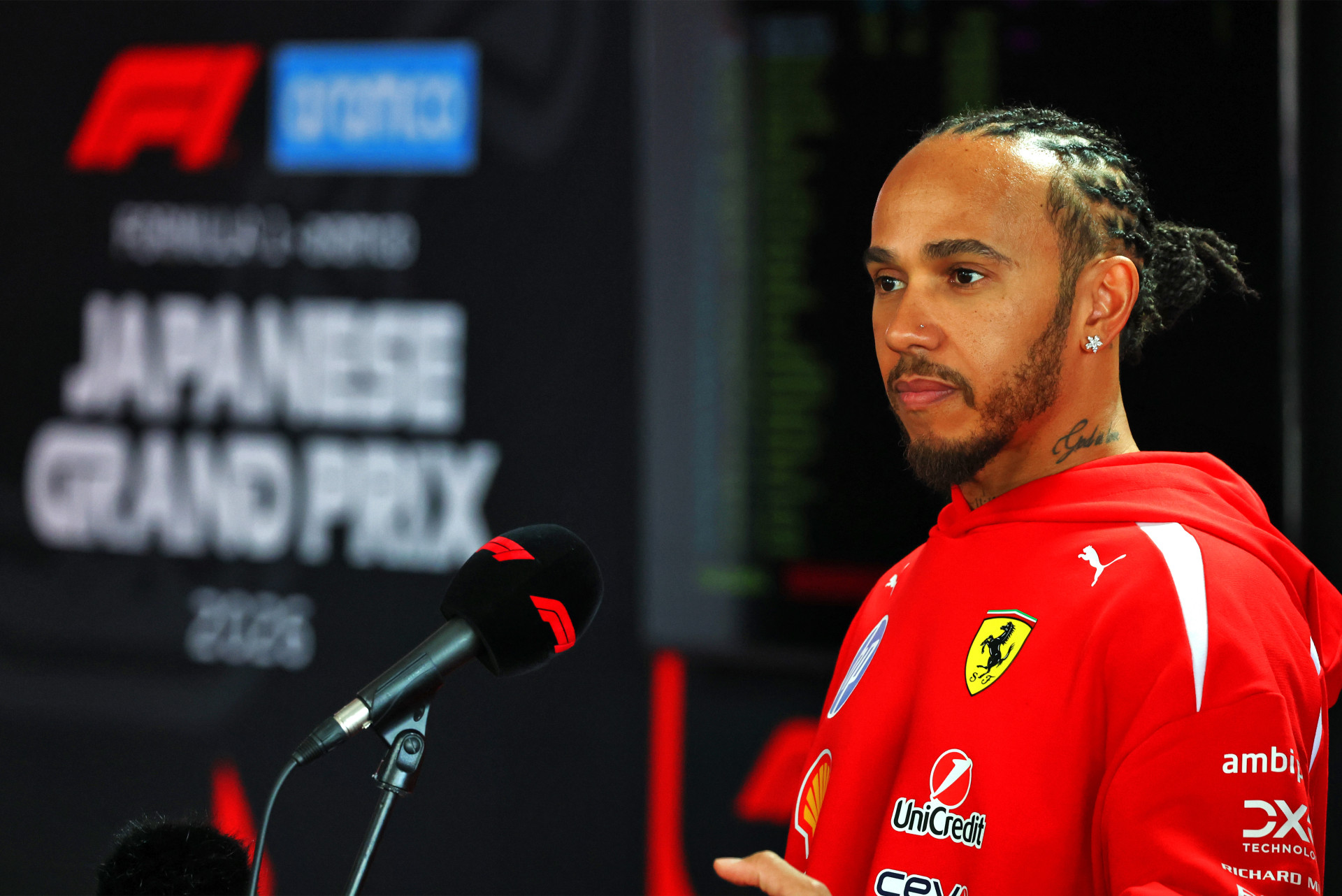
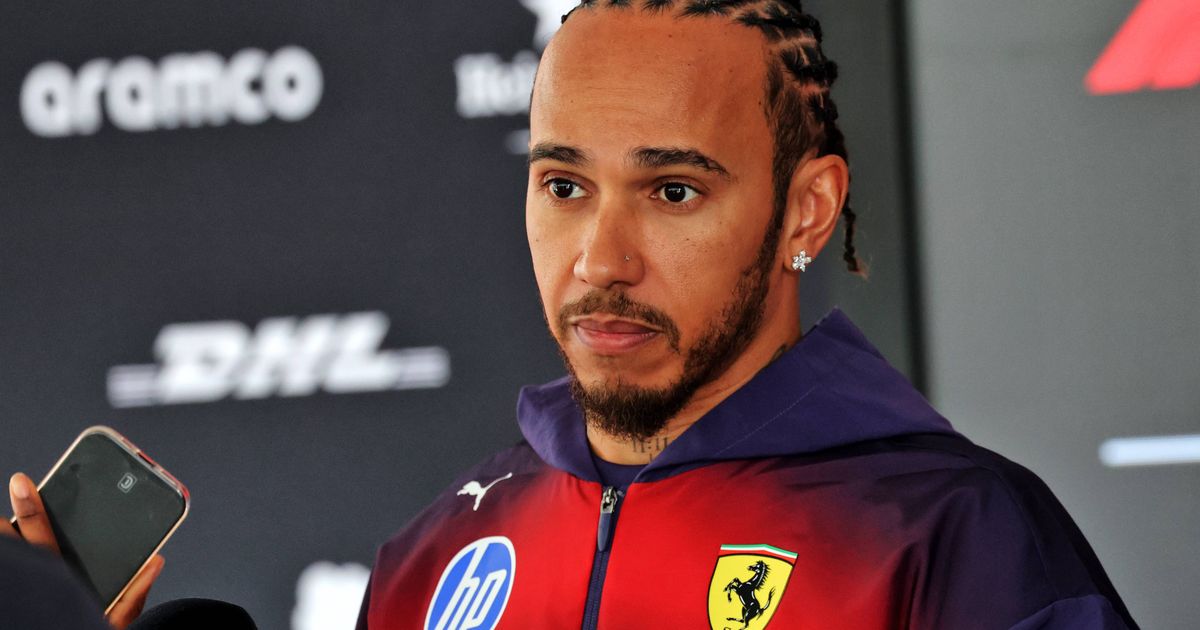
Lewis Hamilton doubts upcoming F1 rule talks will lead to real change, citing drivers' lack of formal power. The review follows safety scares and criticism of "fake" racing, with drivers fearing their concerns will be overlooked by teams and officials.
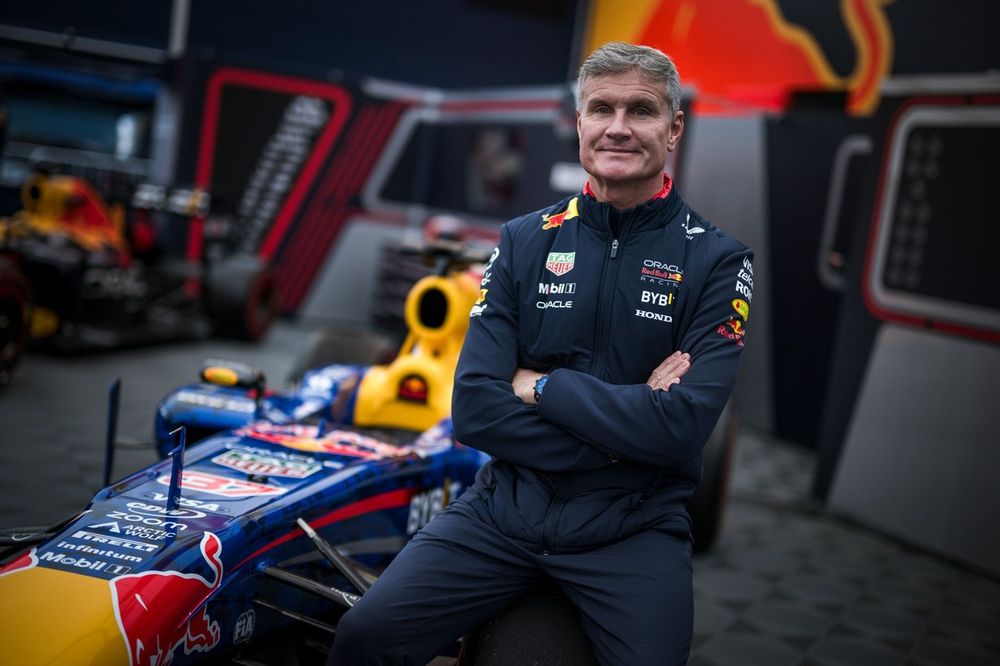
David Coulthard has shared details of his private car collection, which traces his entire racing career from his first kart in 1982 to multiple Formula 1 cars from Williams, McLaren, and Red Bull. The collection, initiated by his father's belief, forms a unique personal museum of his journey through the motorsport ranks.
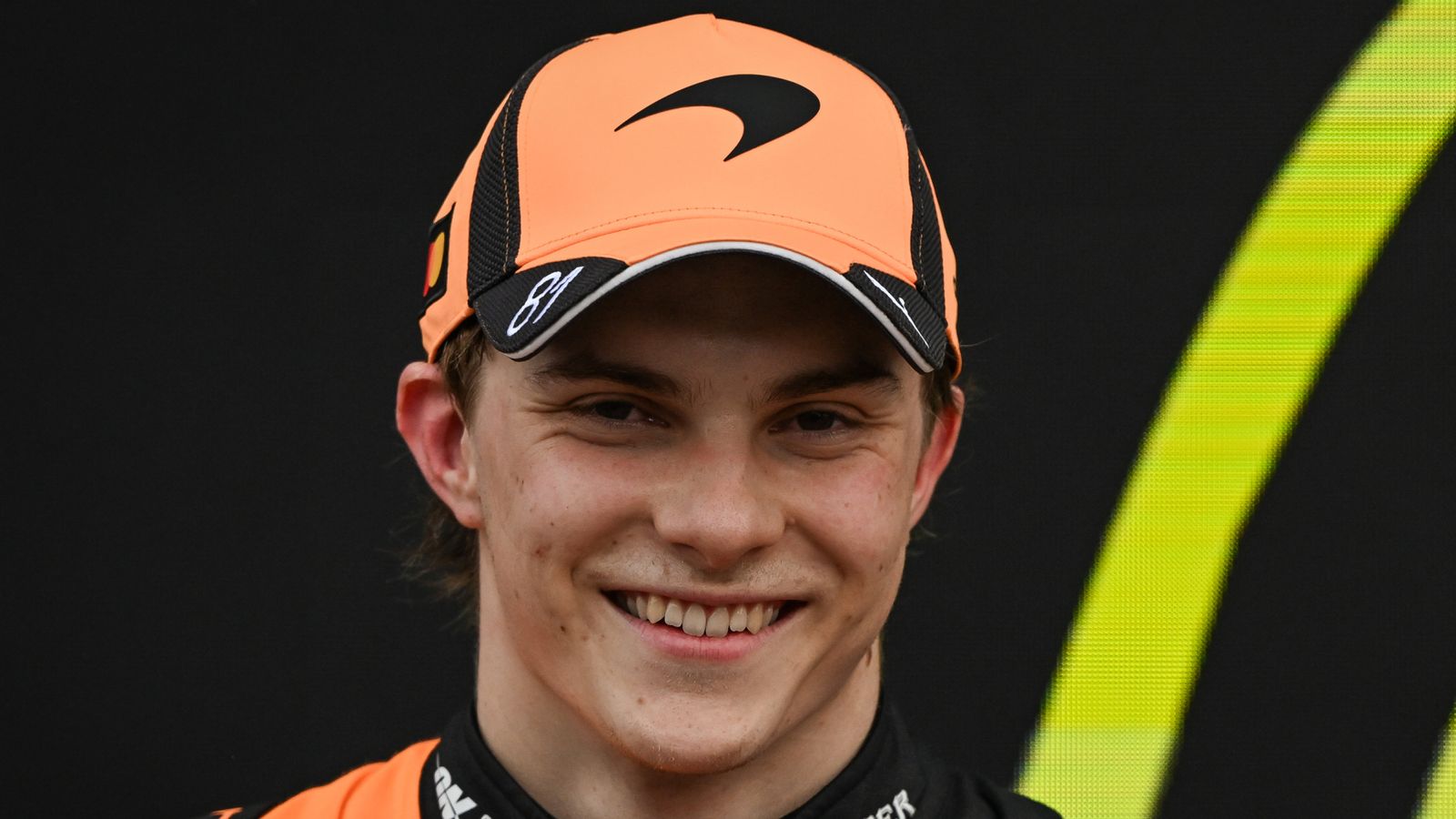
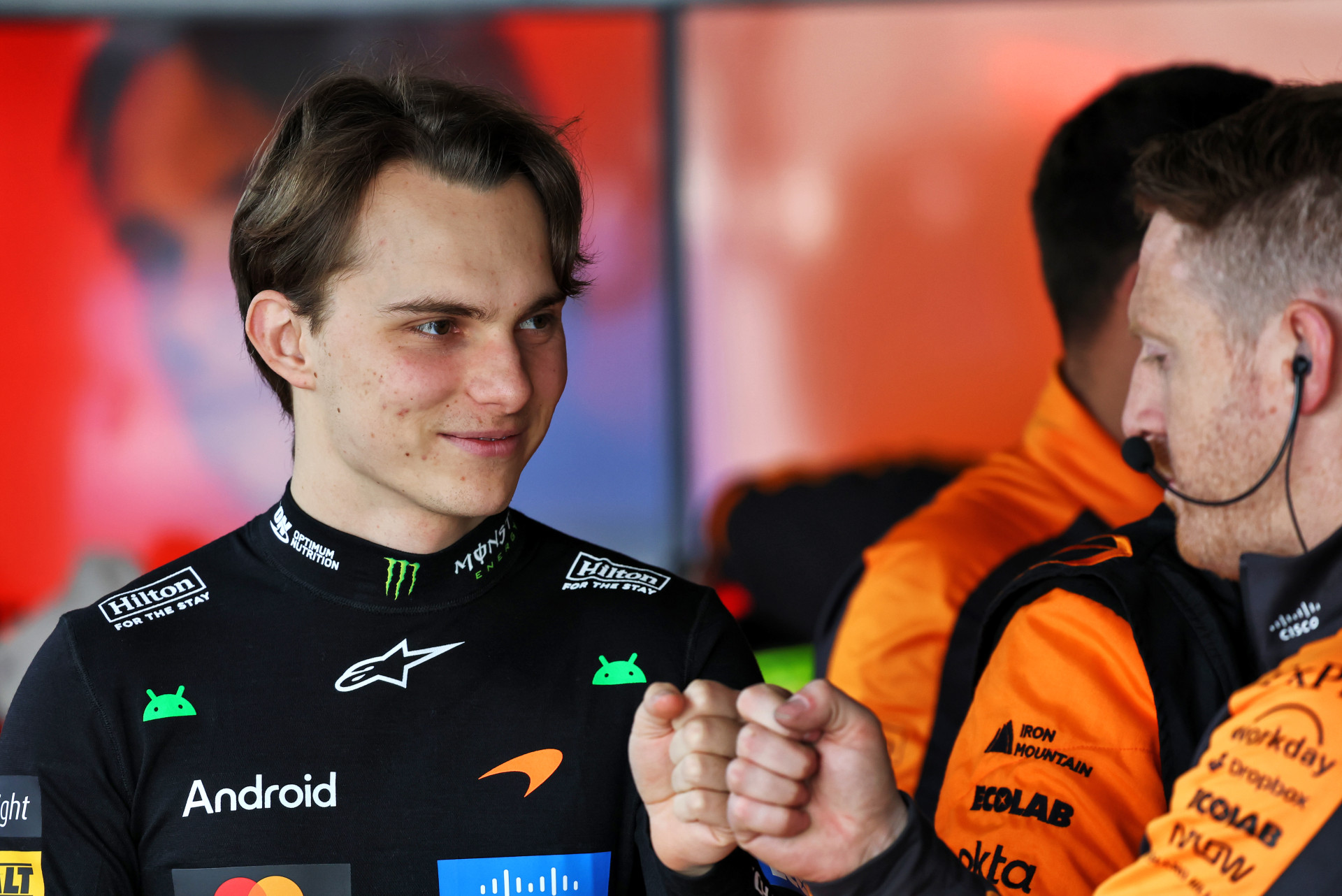
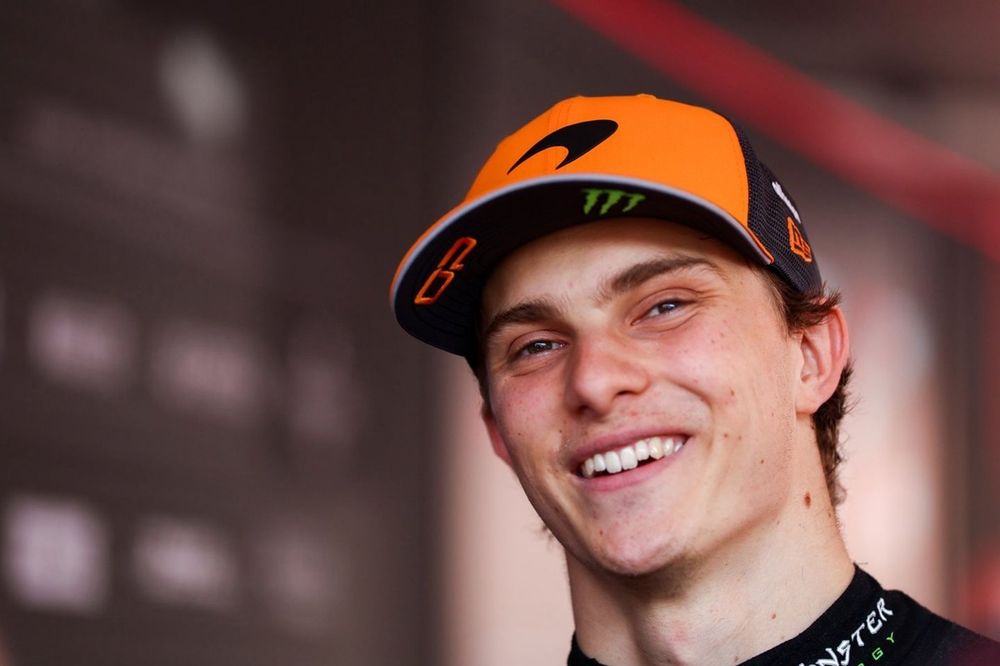
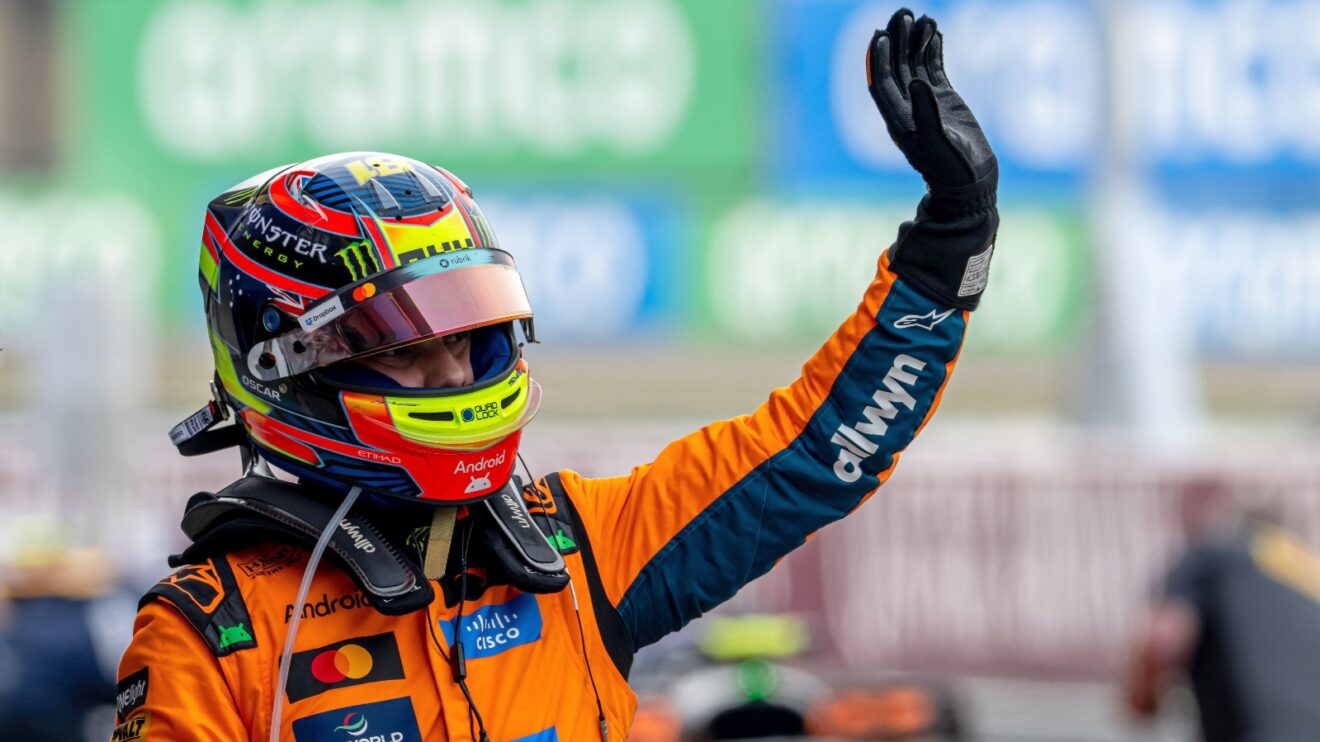
McLaren's Oscar Piastri took a nostalgic detour from F1 to drive a V8 Supercar in Australia, the racing series he watched growing up. The track day with driver Cam Waters offered a new challenge and fun, coming on the heels of his podium finish at the Japanese Grand Prix as he looks to solidify McLaren's competitive form.
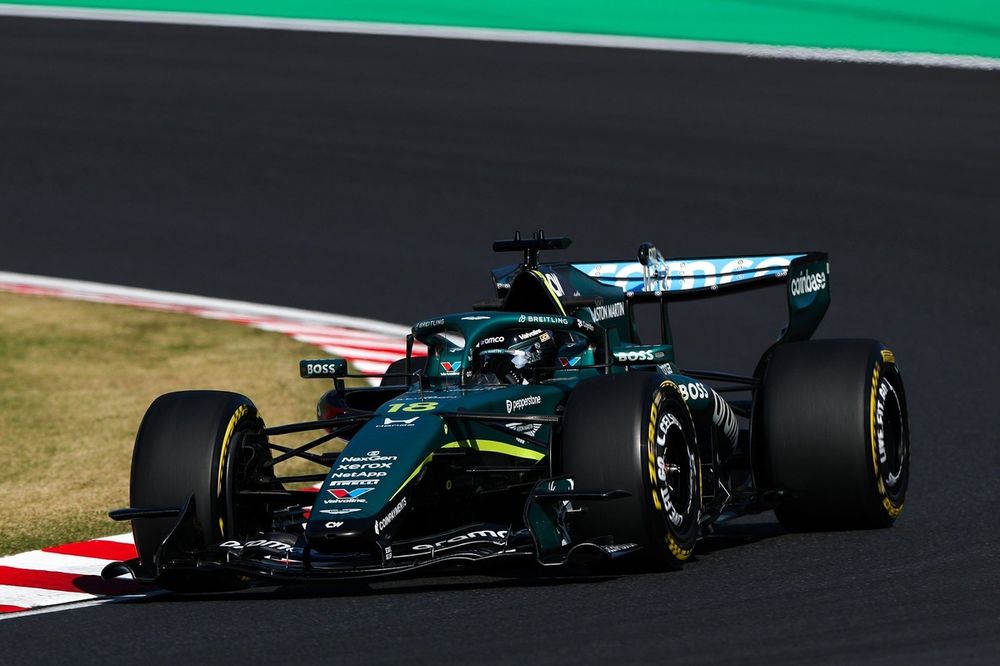
F1 analyst Karun Chandhok has advised Aston Martin to end internal blame and focus on collaboration as the team grapples with severe reliability issues from its new Honda power unit in 2026. Despite high expectations and major investment, former team strategist Bernie Collins warns fixes will be slow, indicating a potentially long and difficult season ahead for the Silverstone squad.
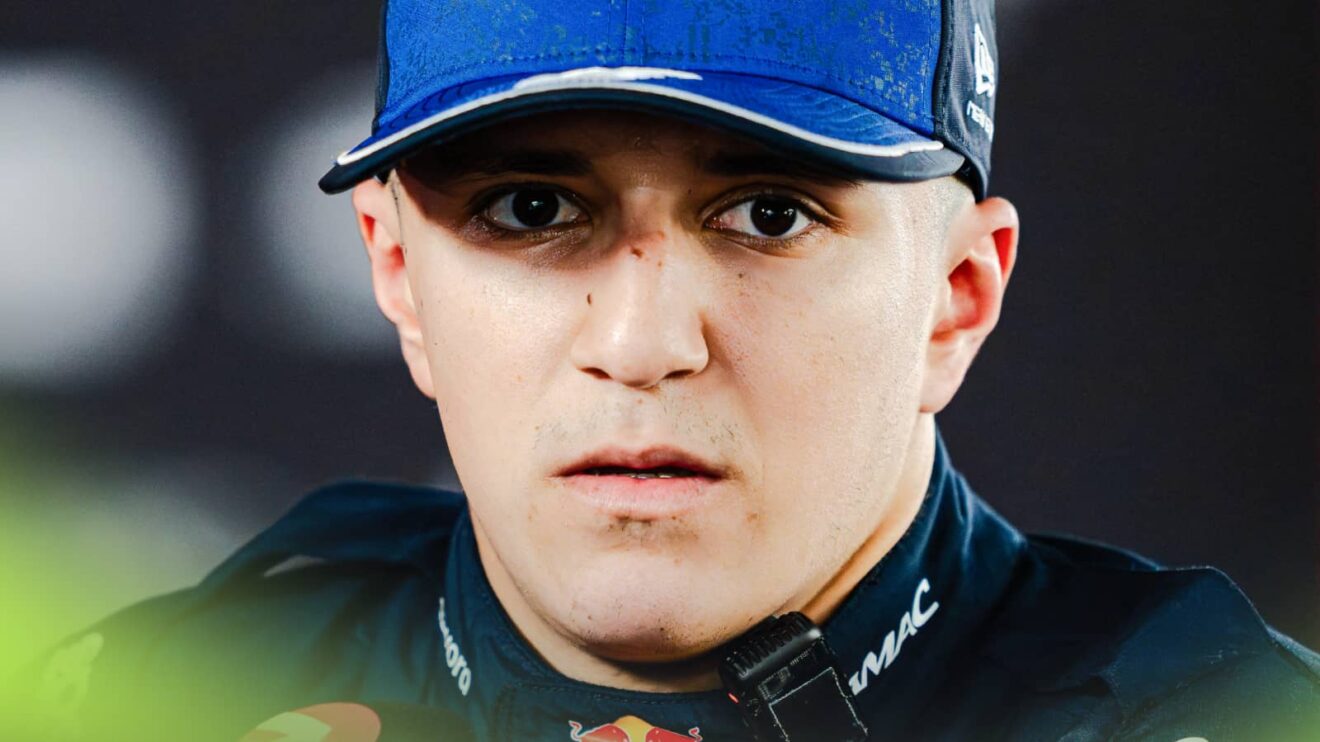
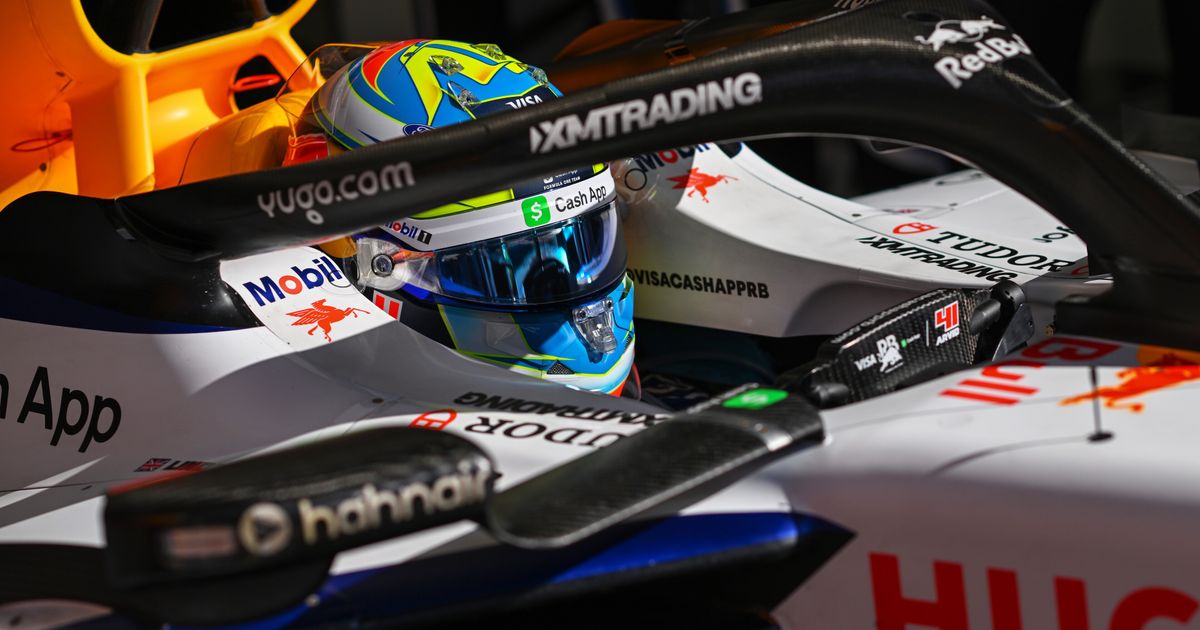
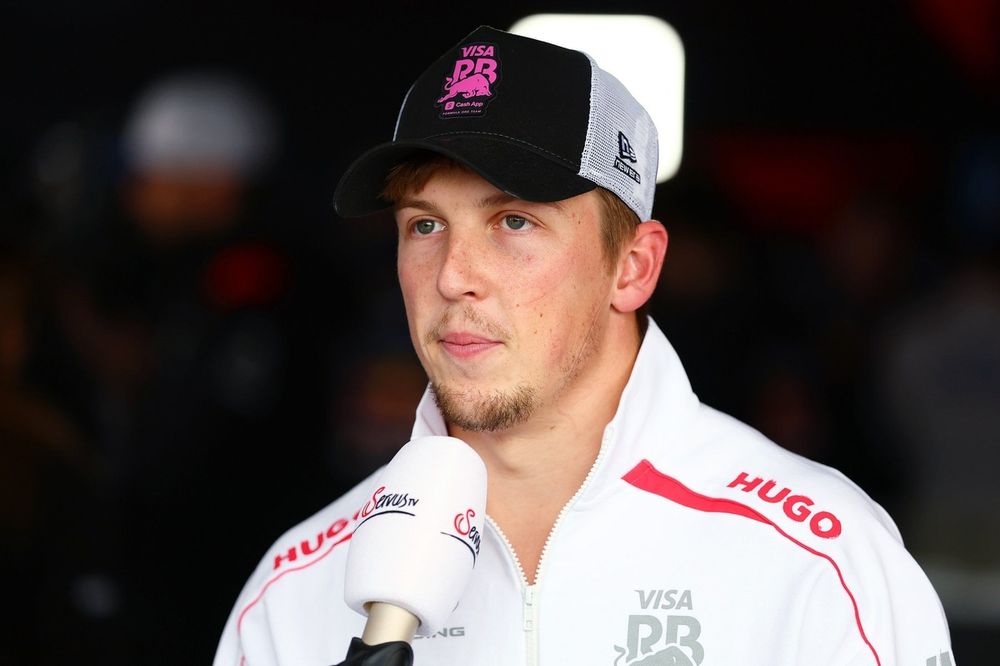
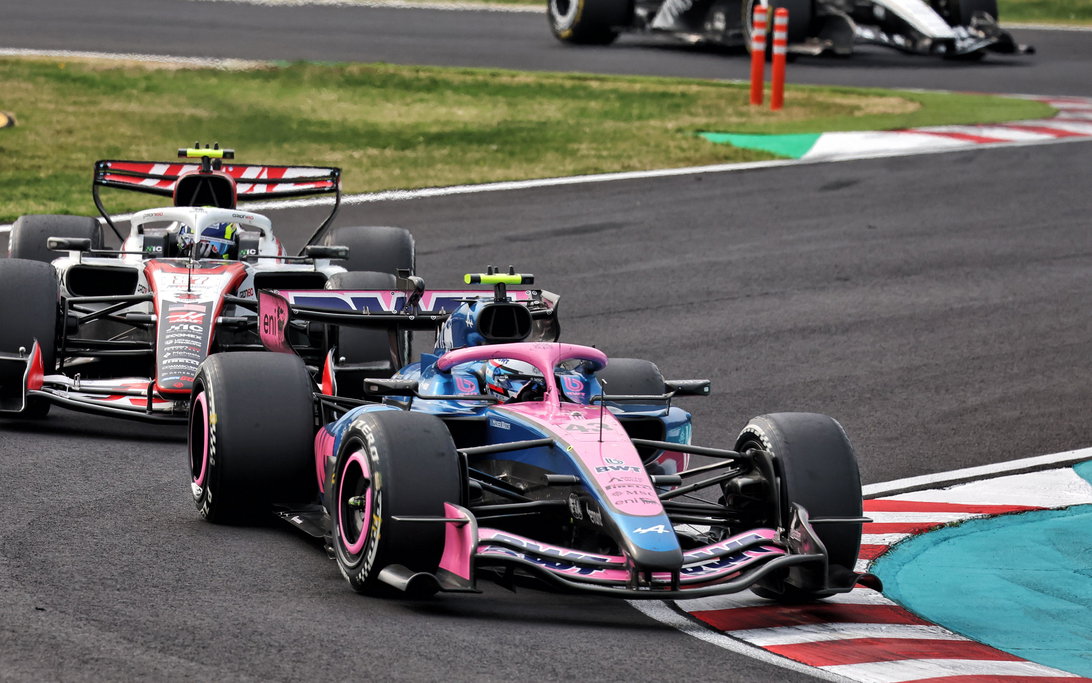
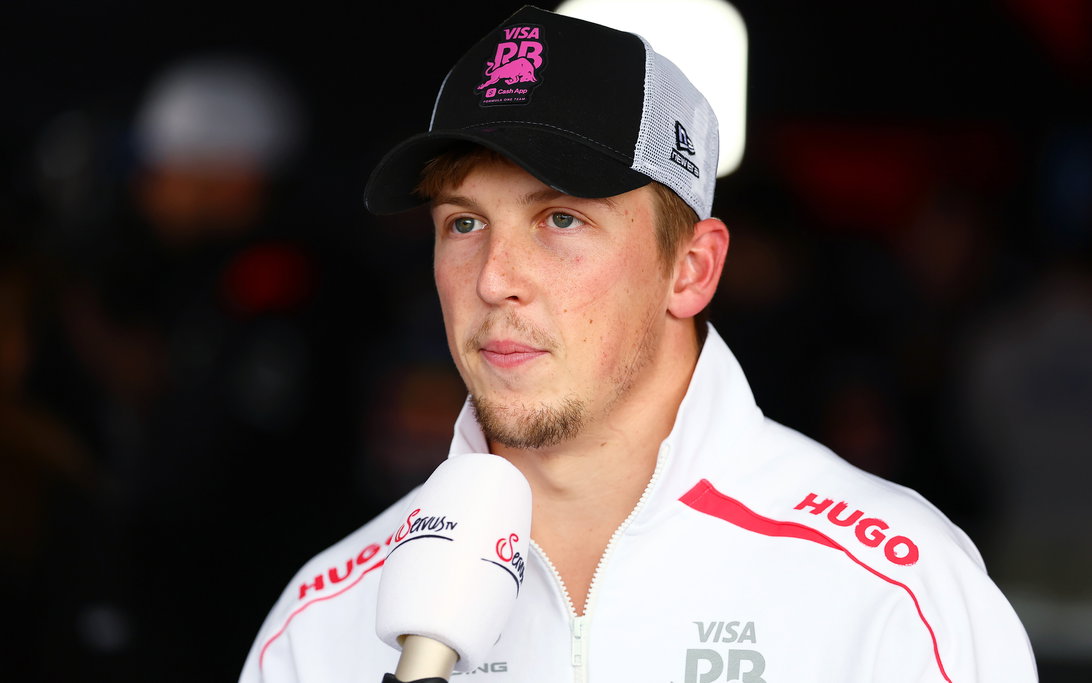
Liam Lawson is thrilled by Racing Bulls' promising start, after a ninth‑place finish in Japan and points in China. Sitting tenth in the standings, he says early speed fuels optimism for upgrades, and the team aims to convert that momentum into consistent midfield points as the season heads to Miami.
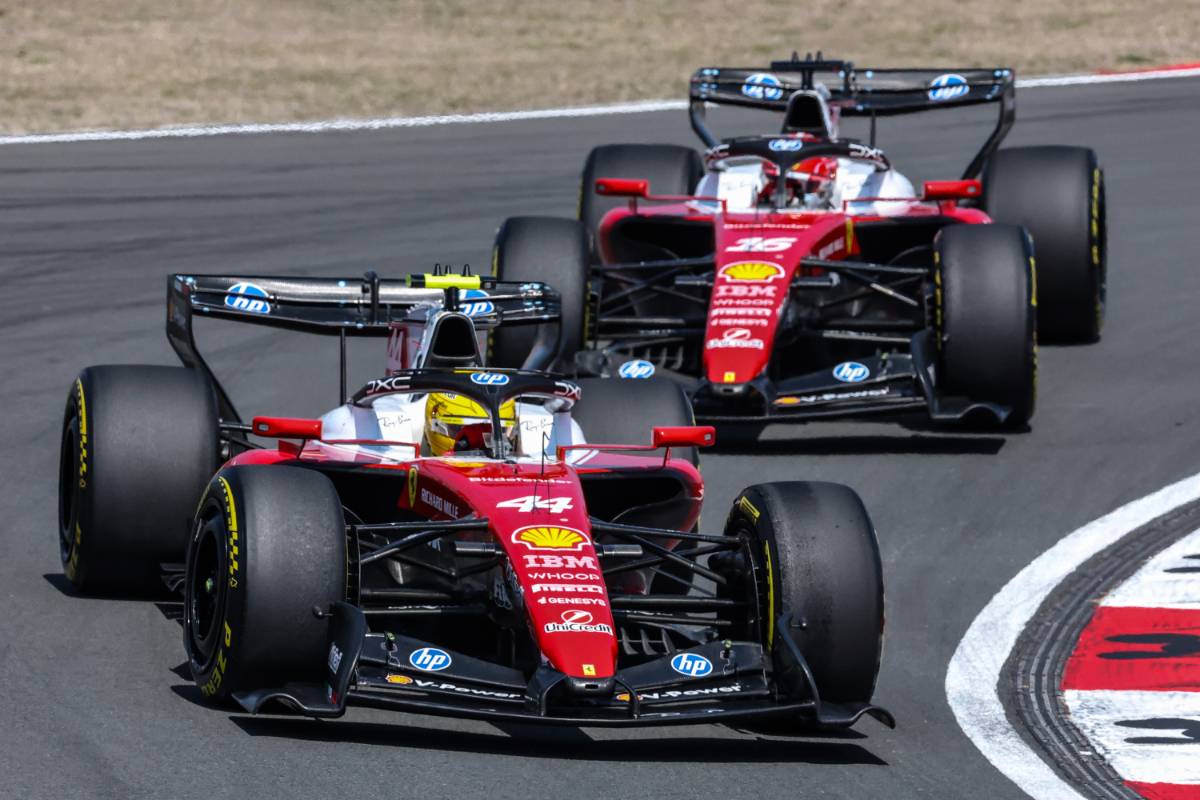
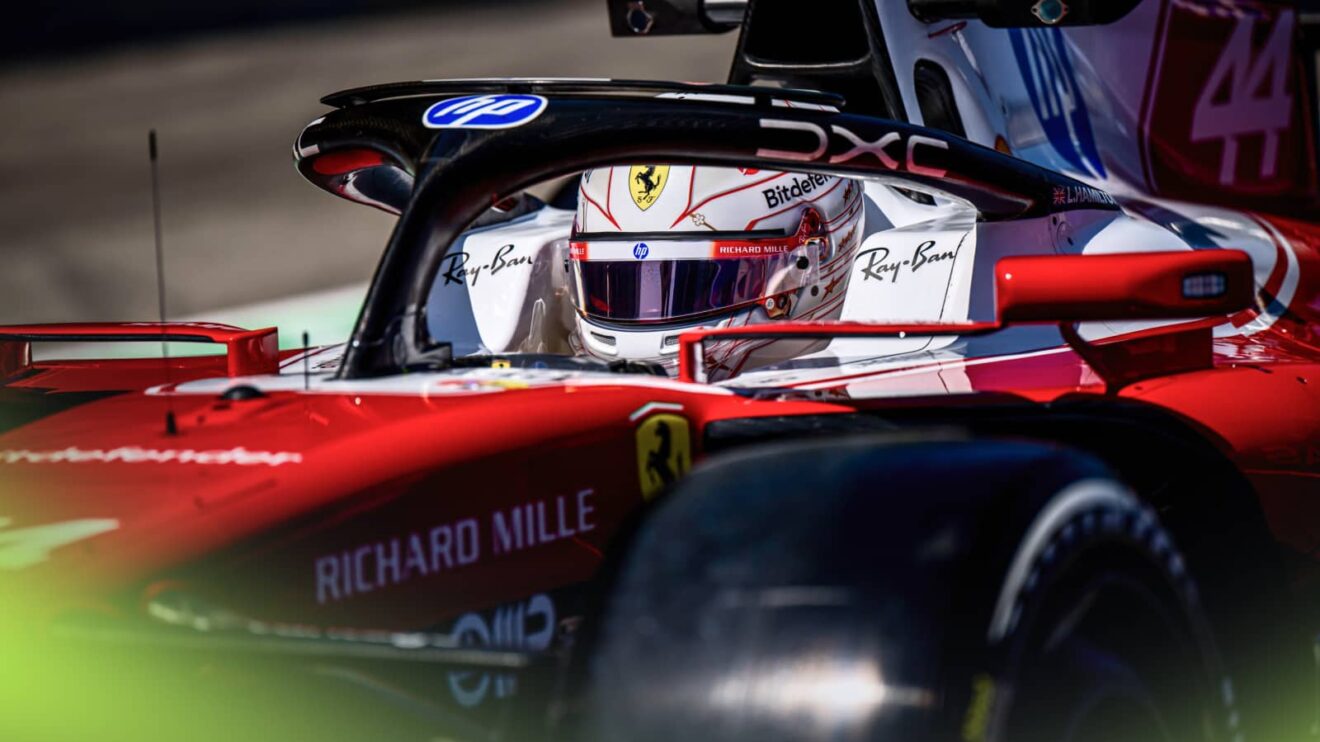
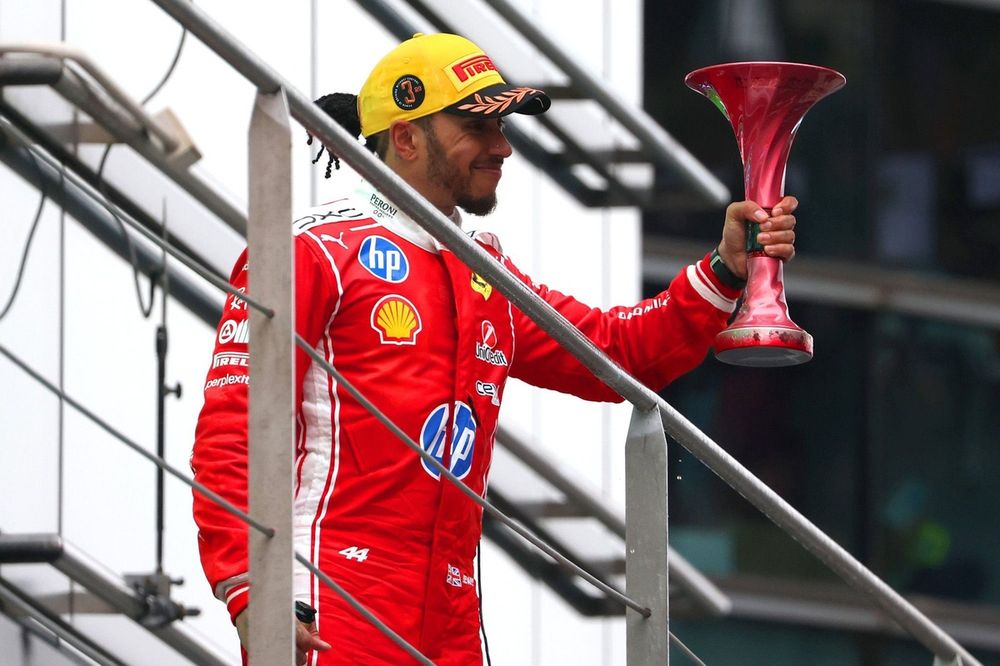
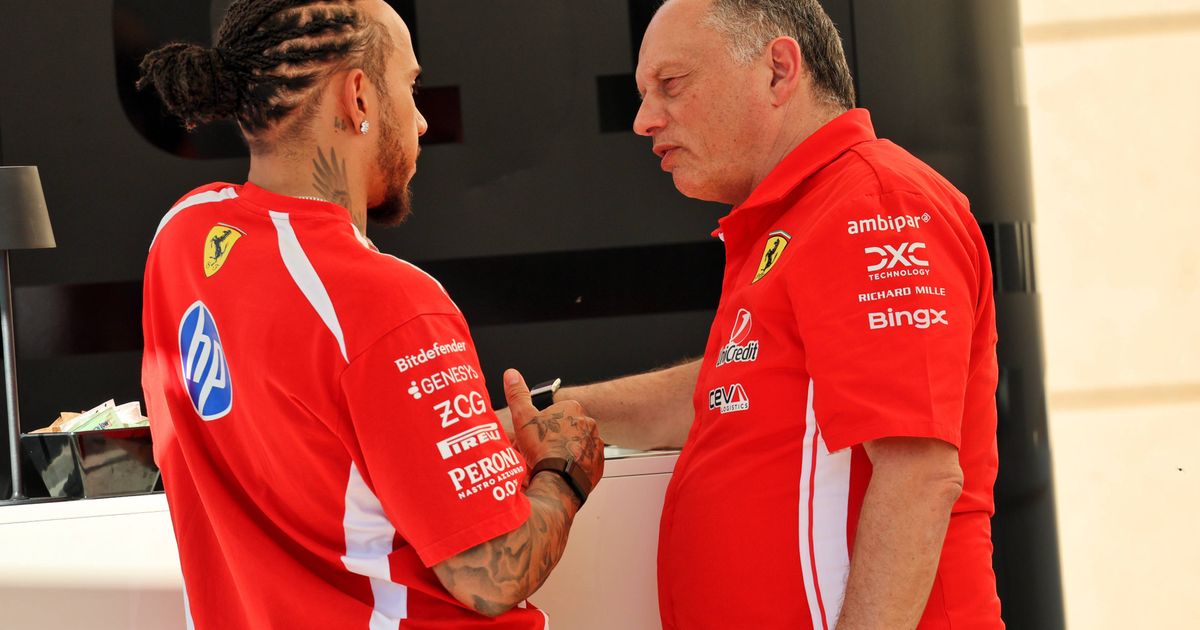
Ferrari plans to use the five-week F1 break to holistically upgrade the SF-26, analyzing data from the first three races to boost competitiveness. A key focus is solving the pace issue Lewis Hamilton faced in Japan, which the team links to a deficient overtake mode. Team principal Fred Vasseur stresses the need to improve in every area to stay ahead in the development race.
Max Verstappen's vocal dissatisfaction with F1's current direction and Red Bull's uncompetitive car is raising serious questions about his future in the sport. The champion criticizes the 2026 regulations as "anti-driving,\