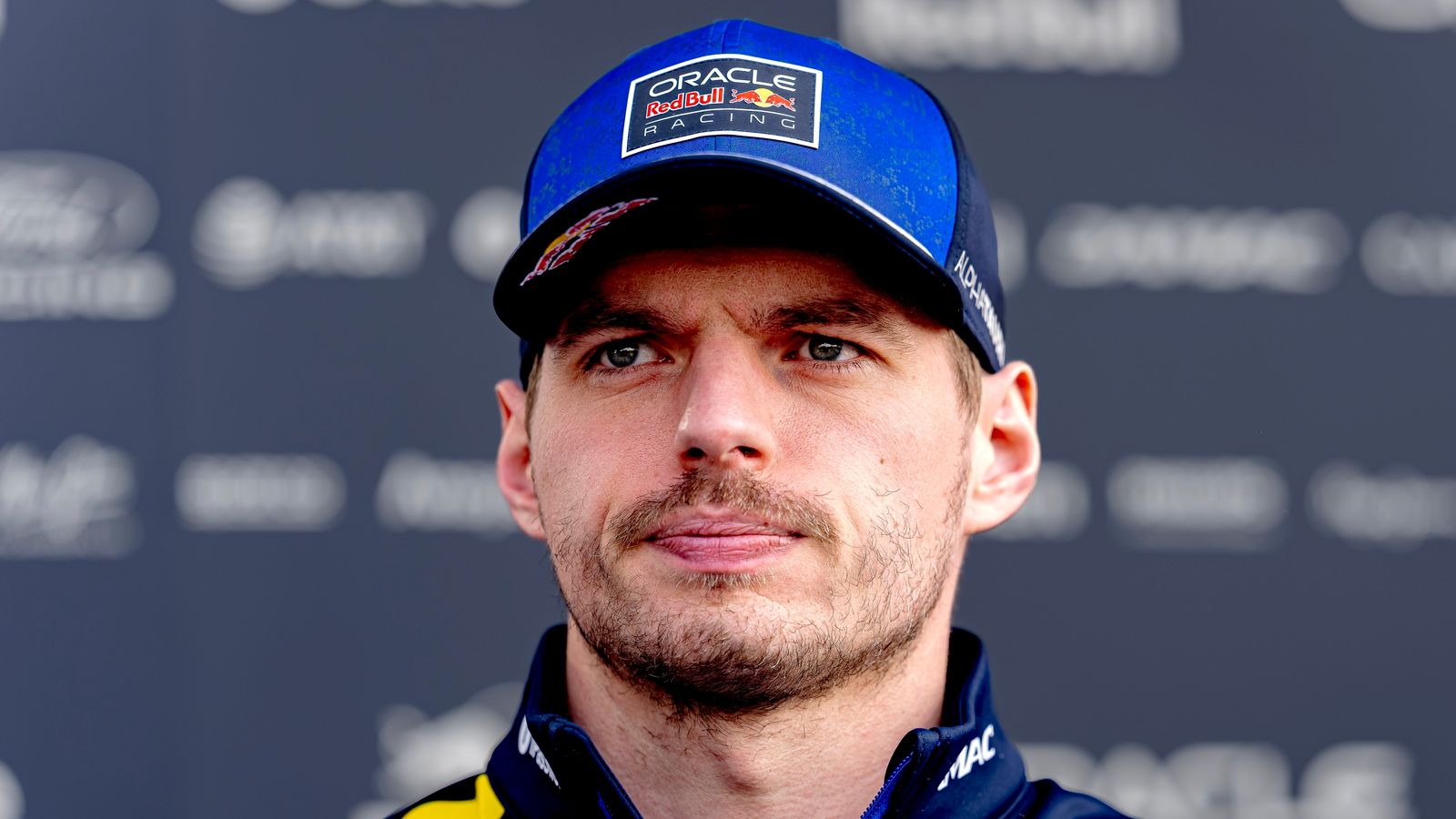
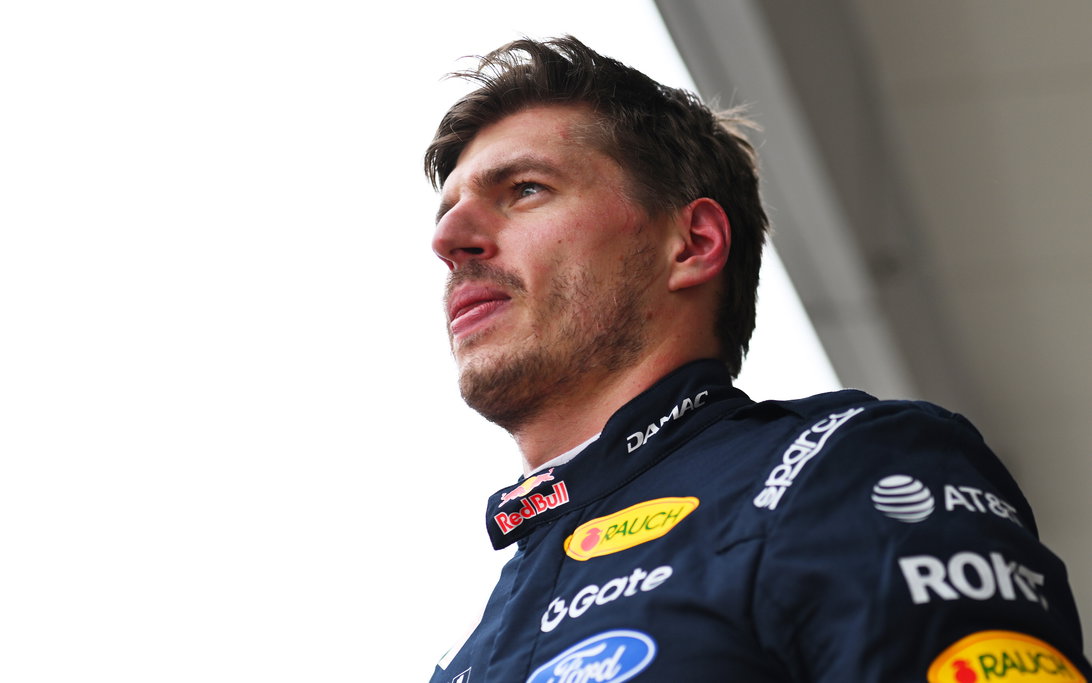
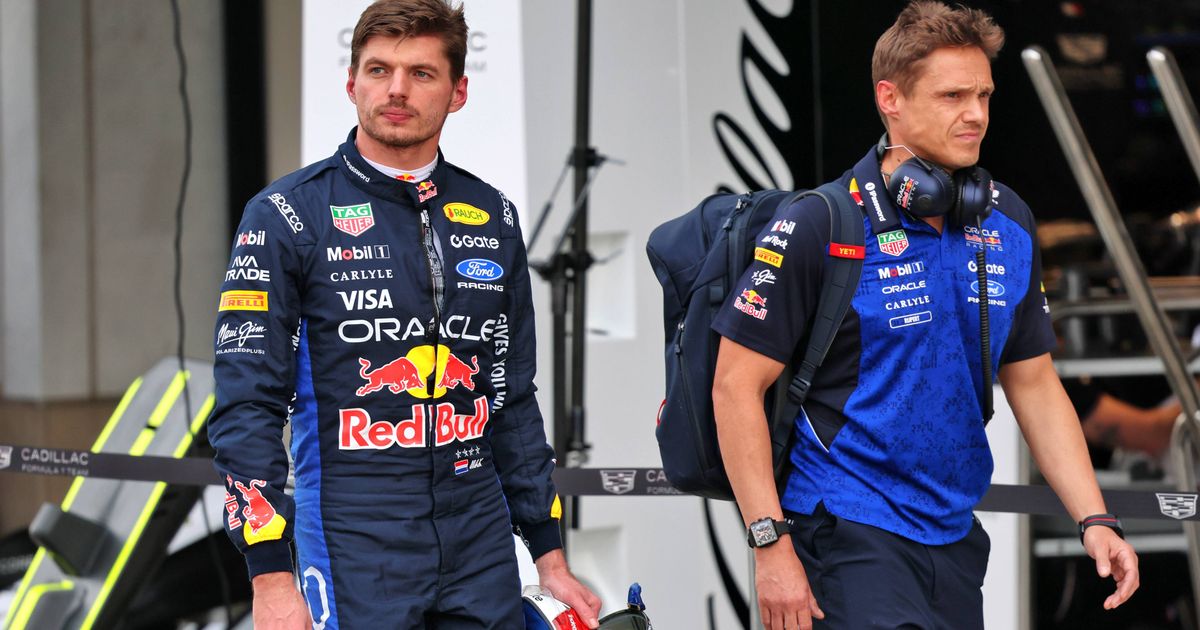
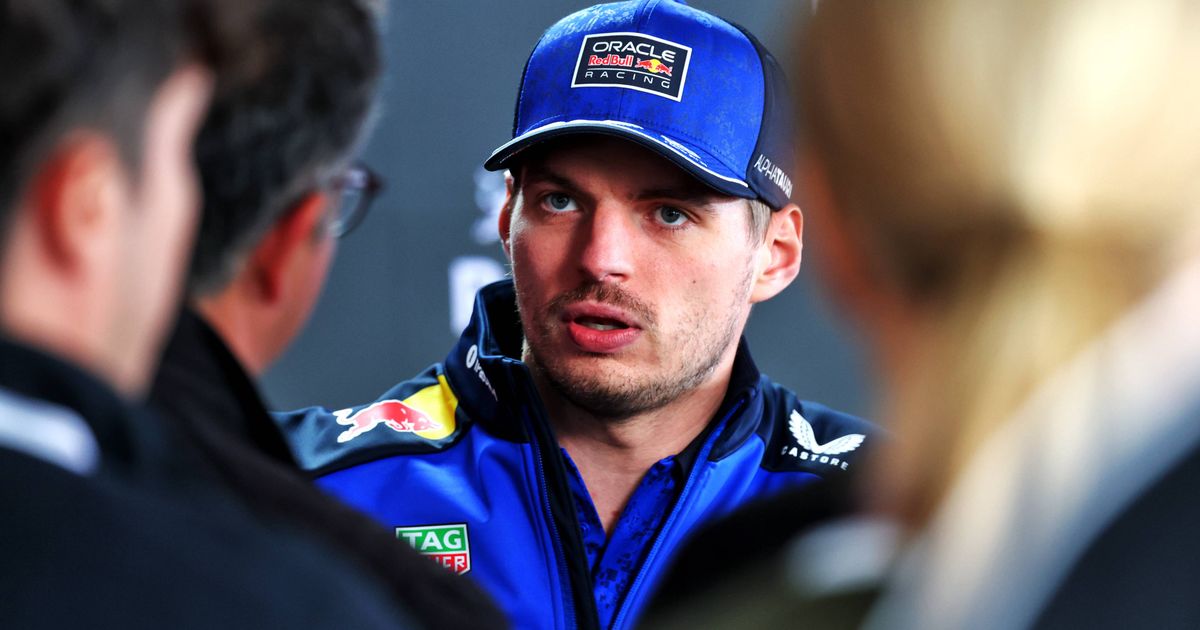
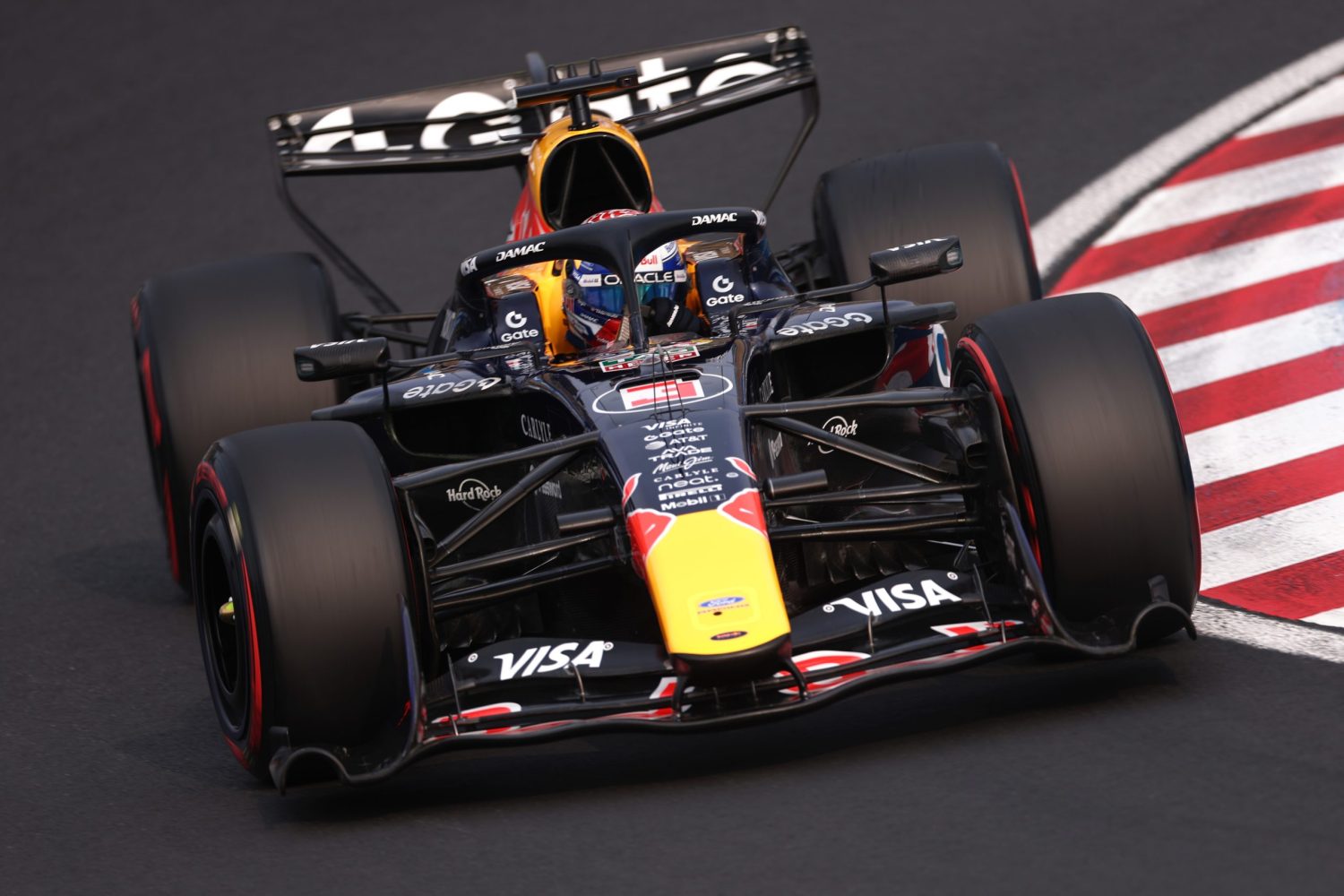
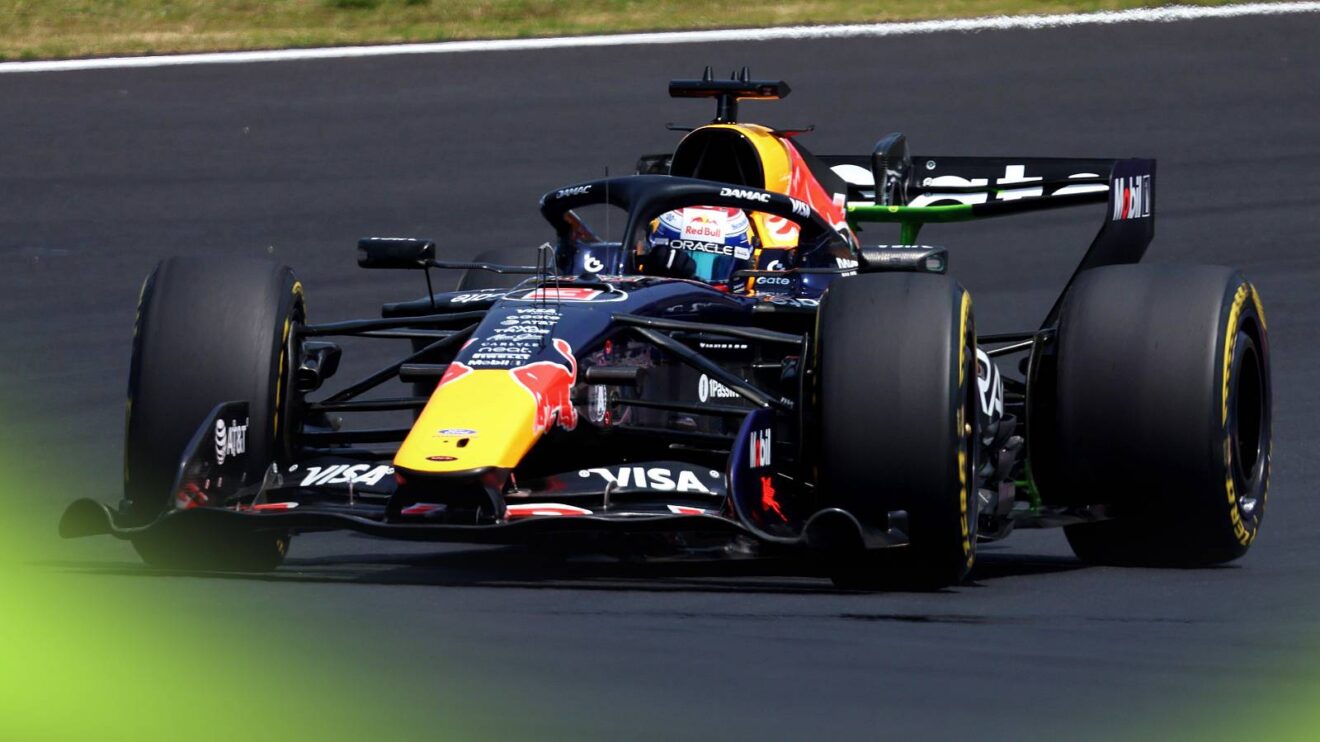
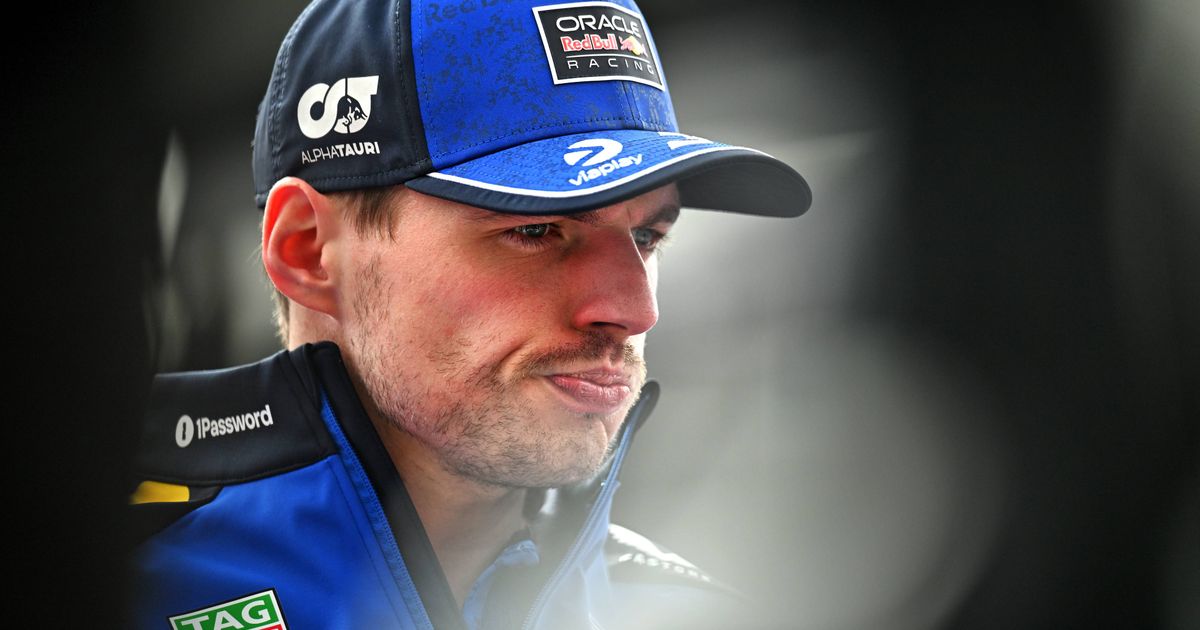
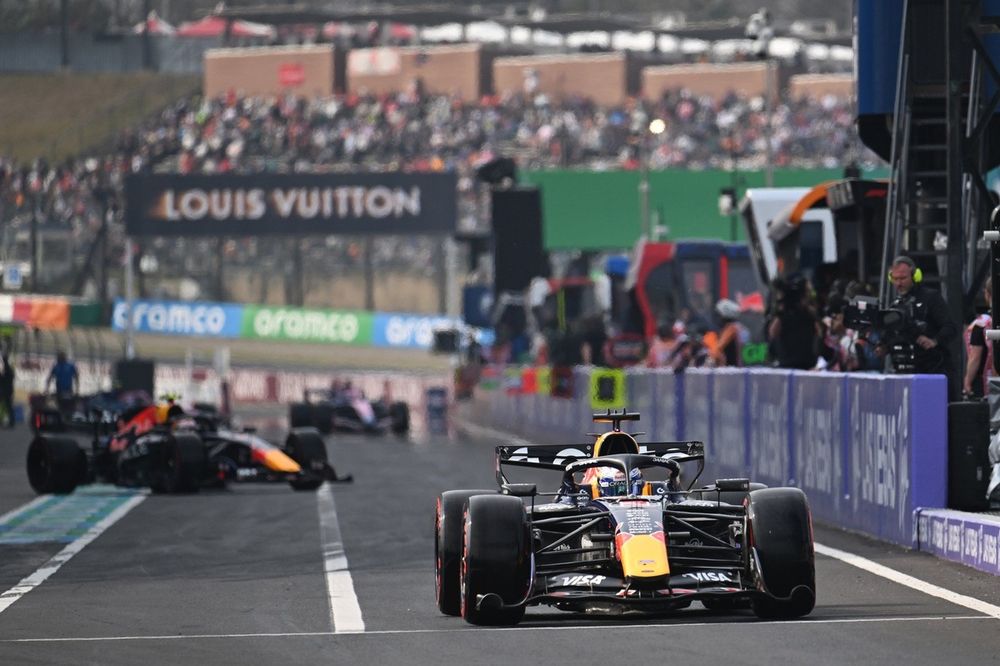
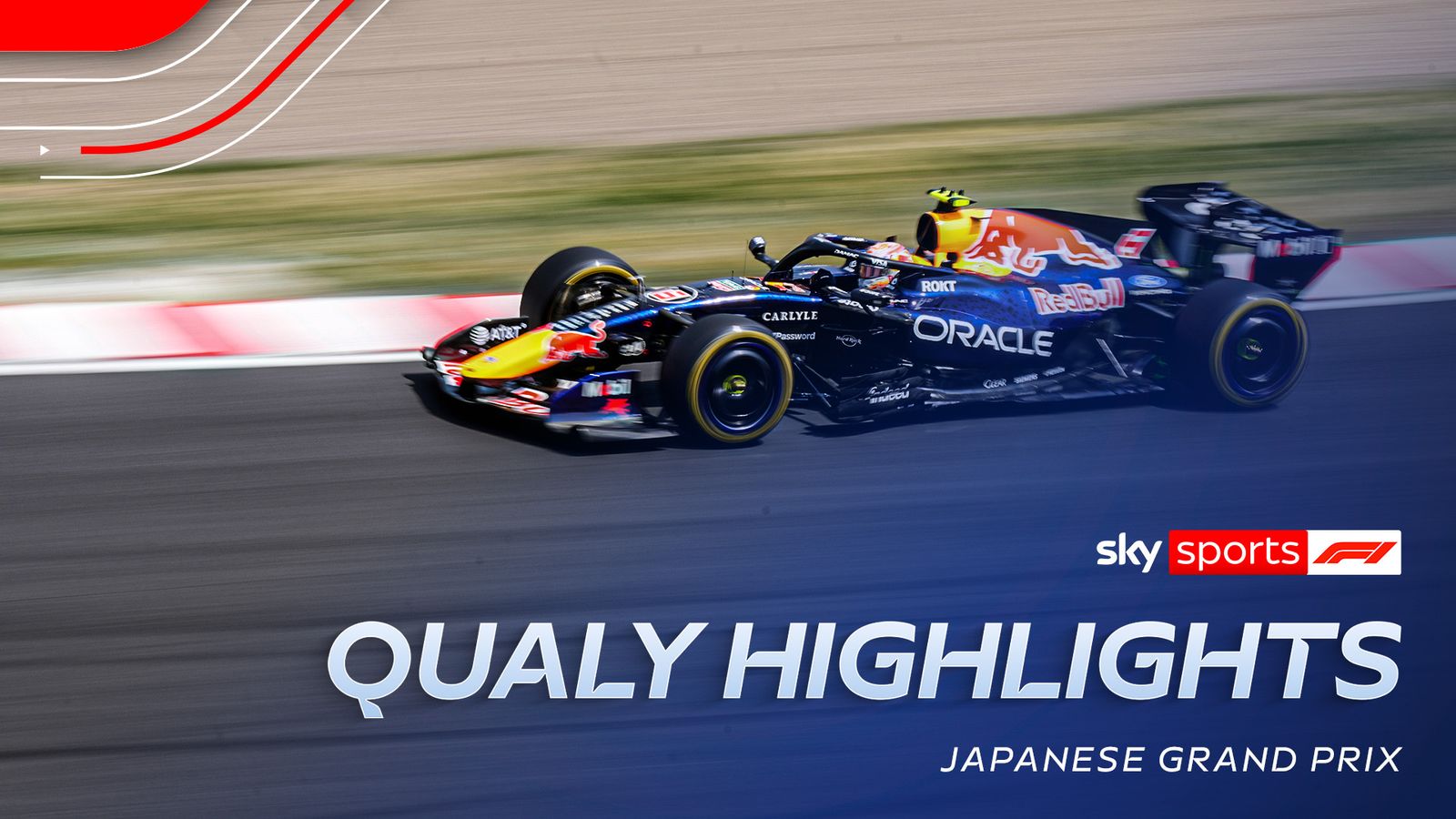
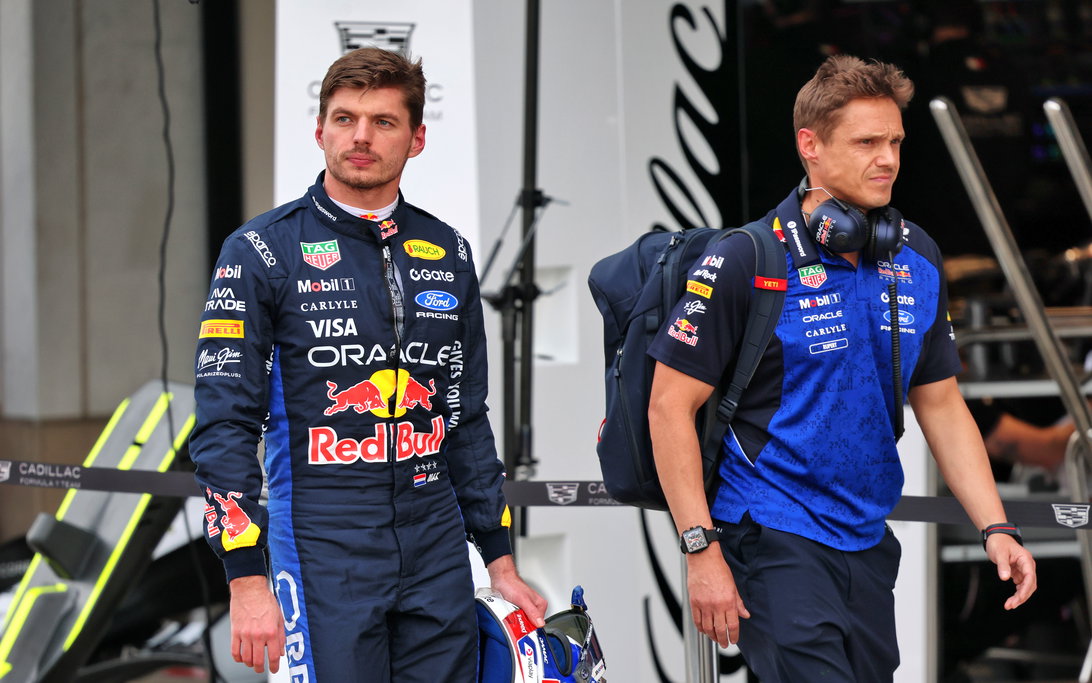
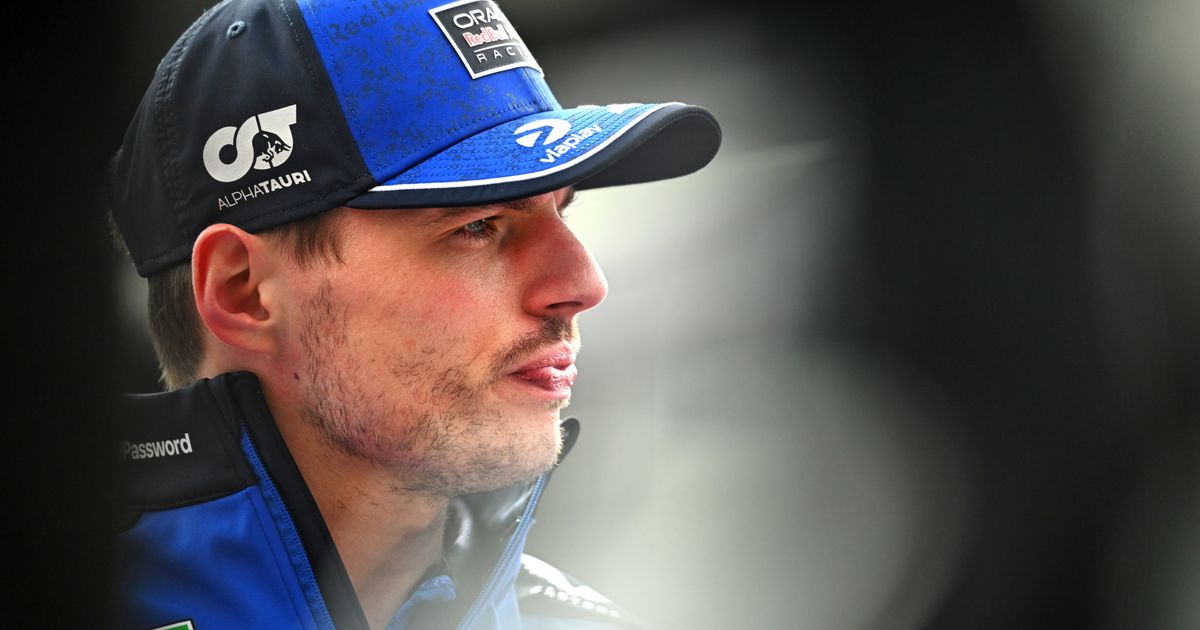
Max Verstappen suffered a shocking Q2 elimination at the Japanese GP, calling his Red Bull 'undriveable' and stating he is 'beyond frustrated.' The incident marks his first pure-pace qualifying defeat to a teammate since 2024, highlighting severe issues with the team's 2026 car as his title defense stumbles early.
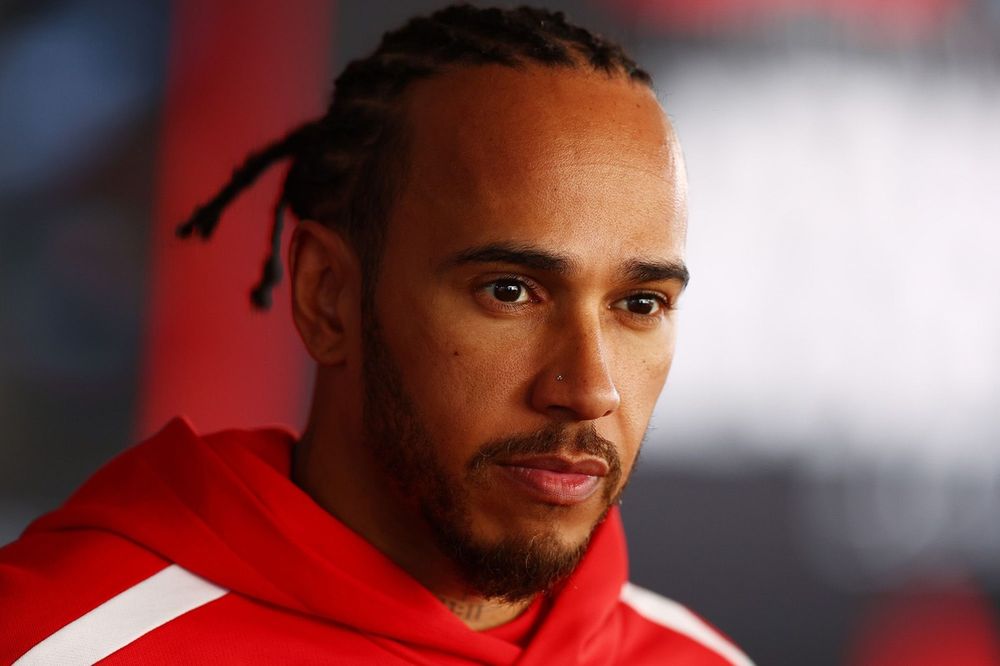
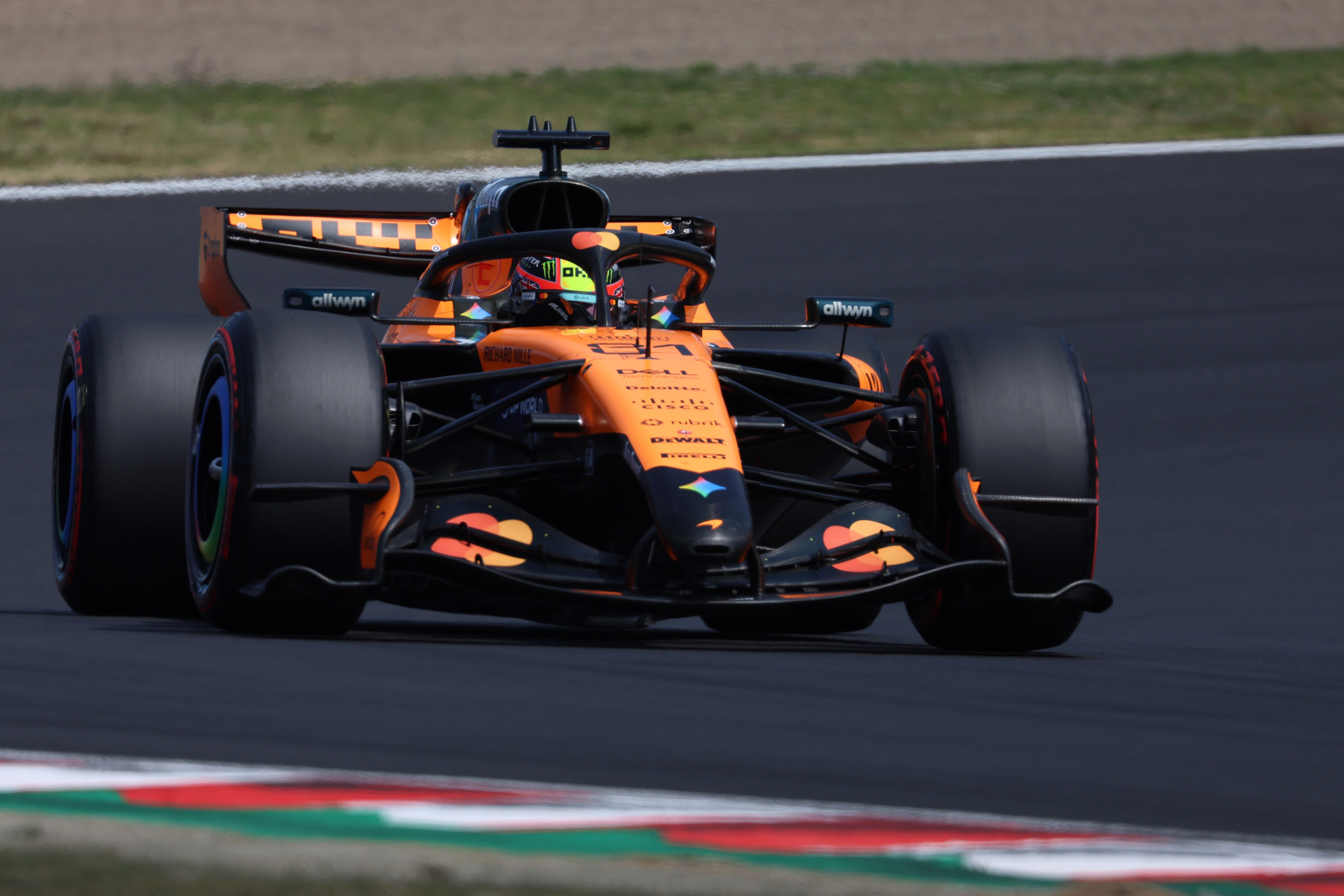
Lewis Hamilton warns that Ferrari could be overtaken by McLaren once the team fully harnesses its Mercedes engine, citing a significant power deficit and an intense development race. Despite Ferrari's strong championship position, its inability to pinpoint the engine performance gap adds pressure.
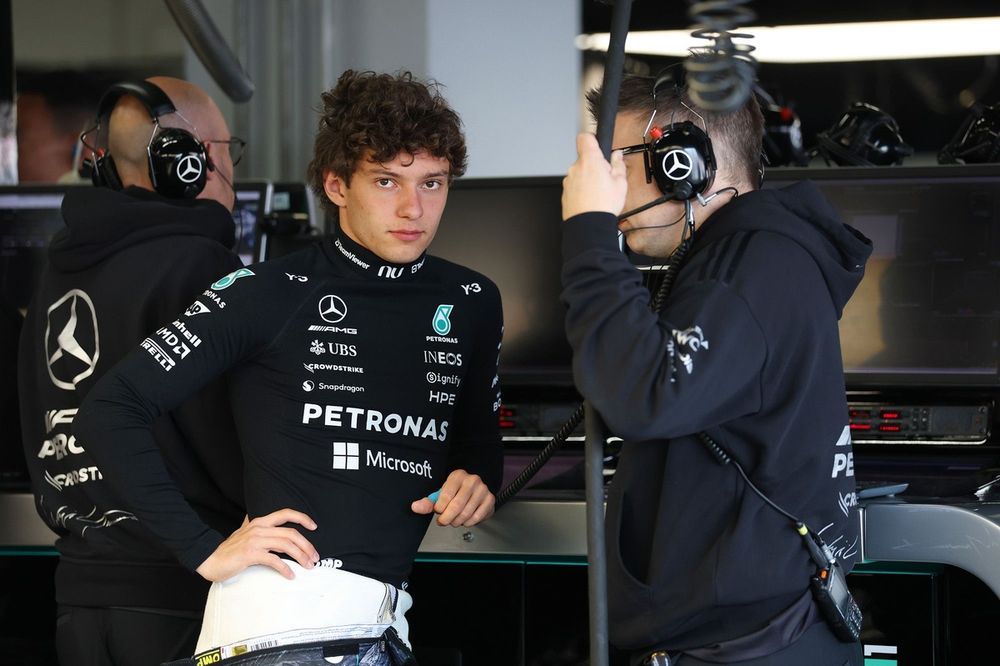
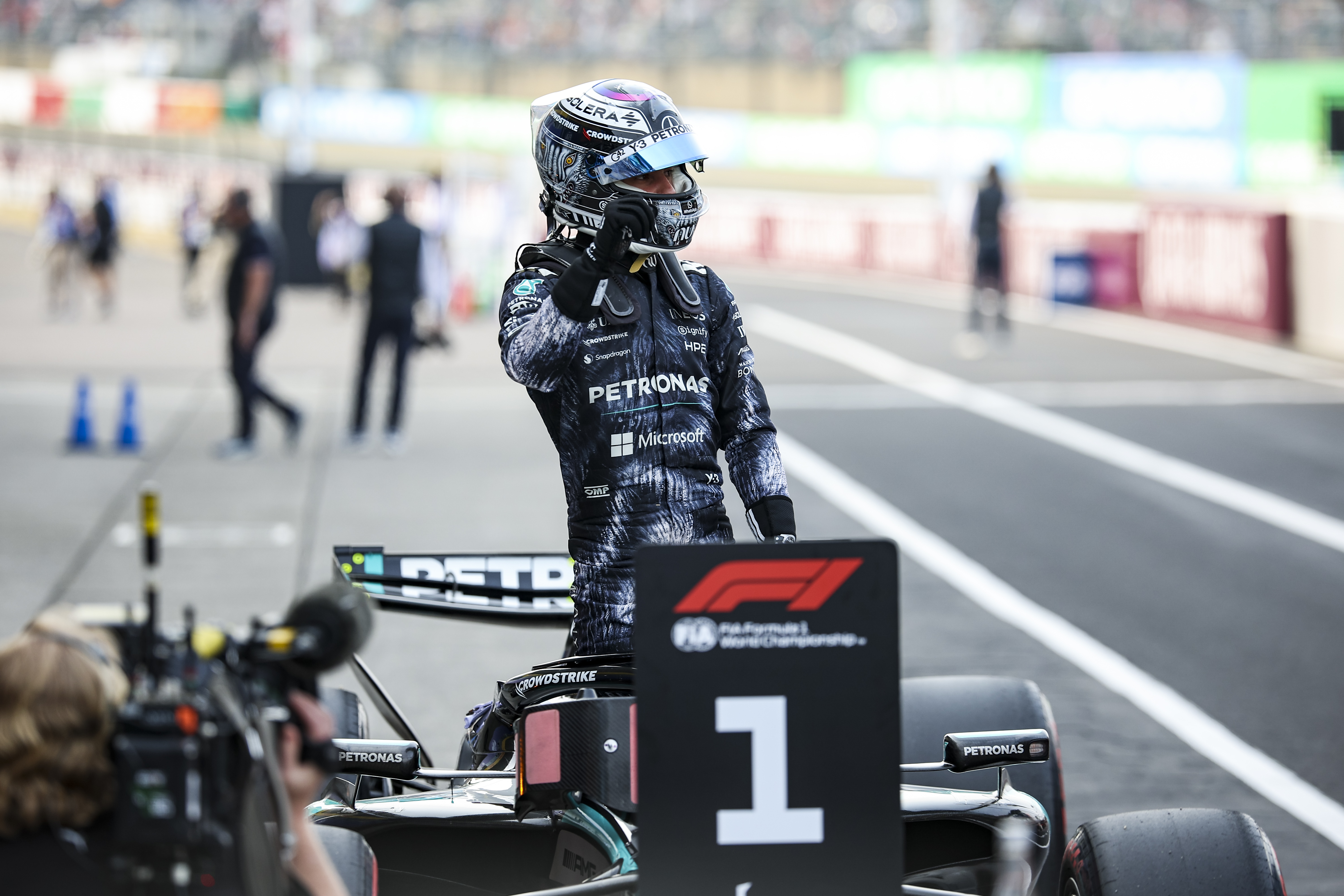
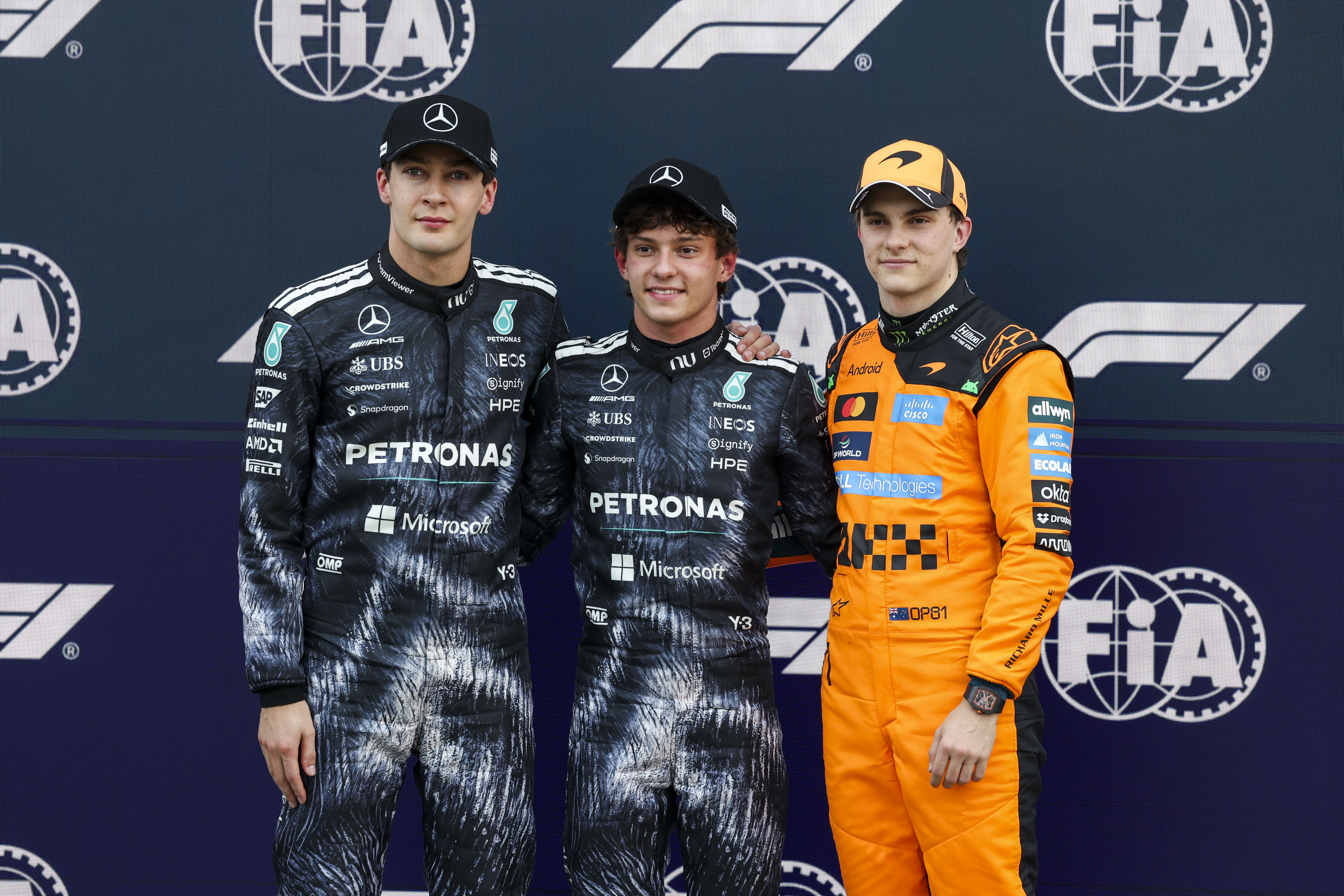
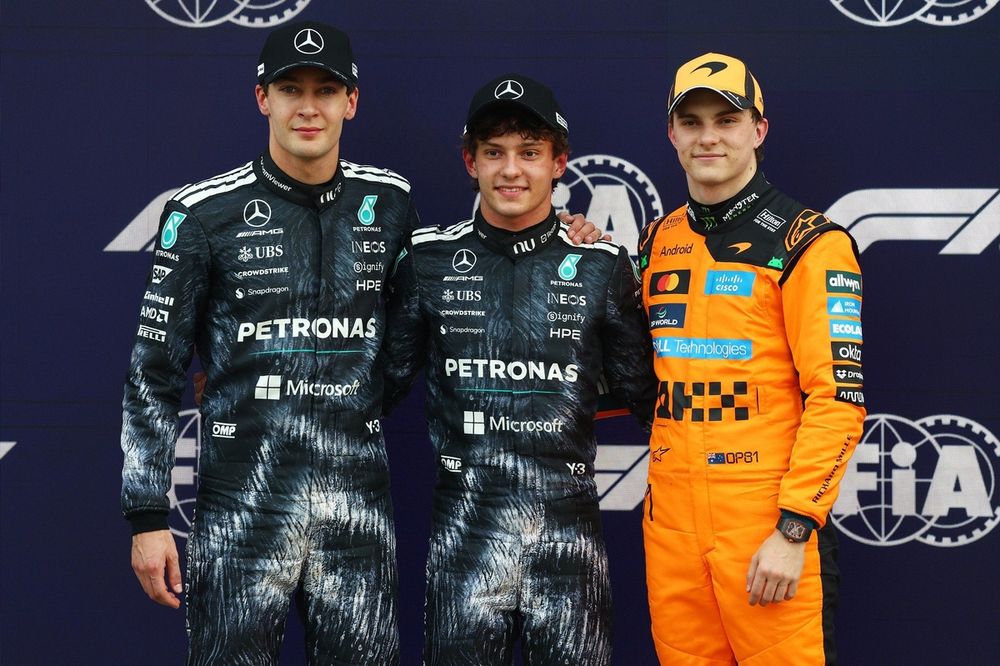
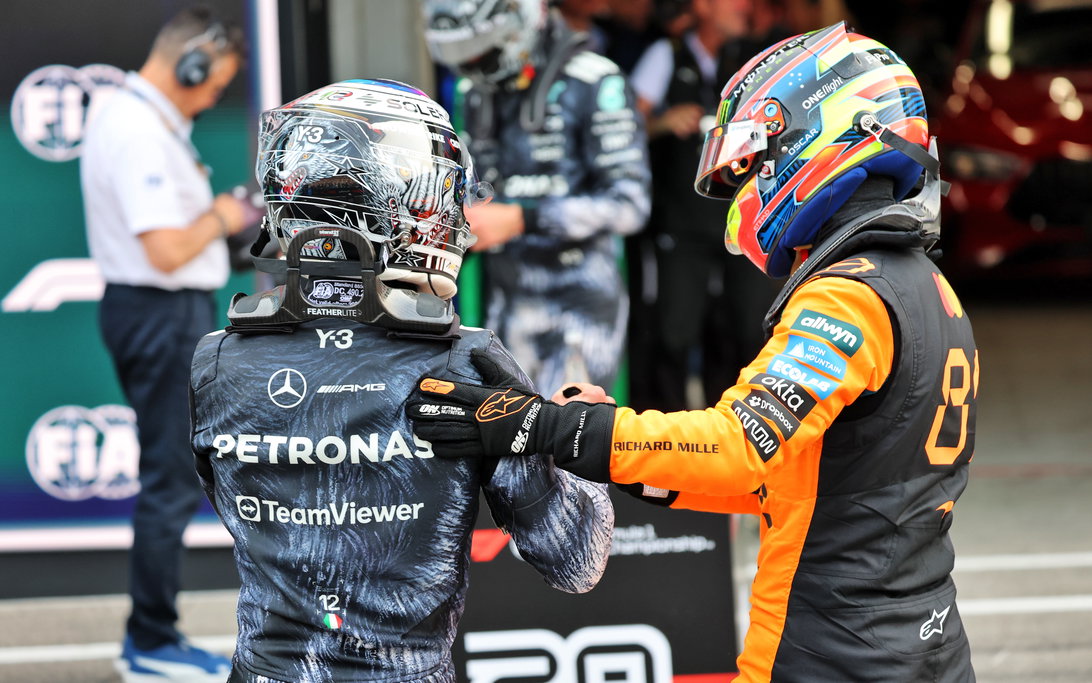
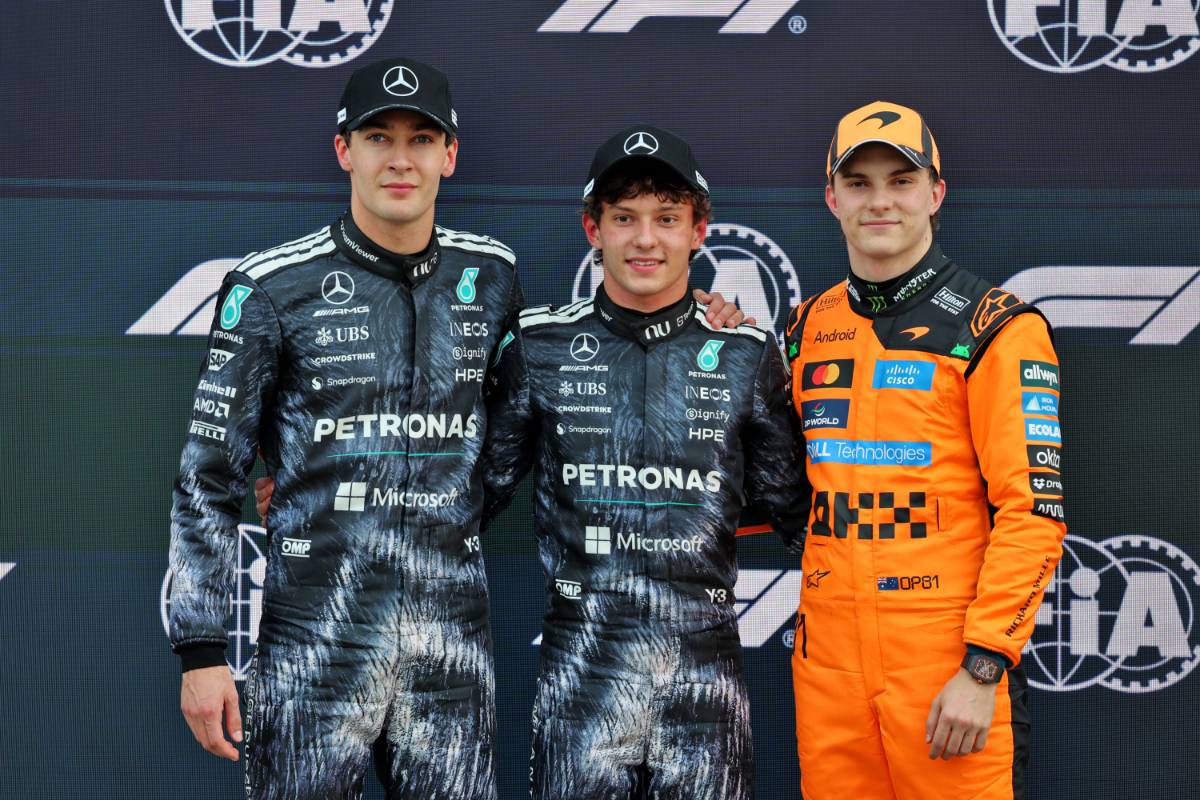
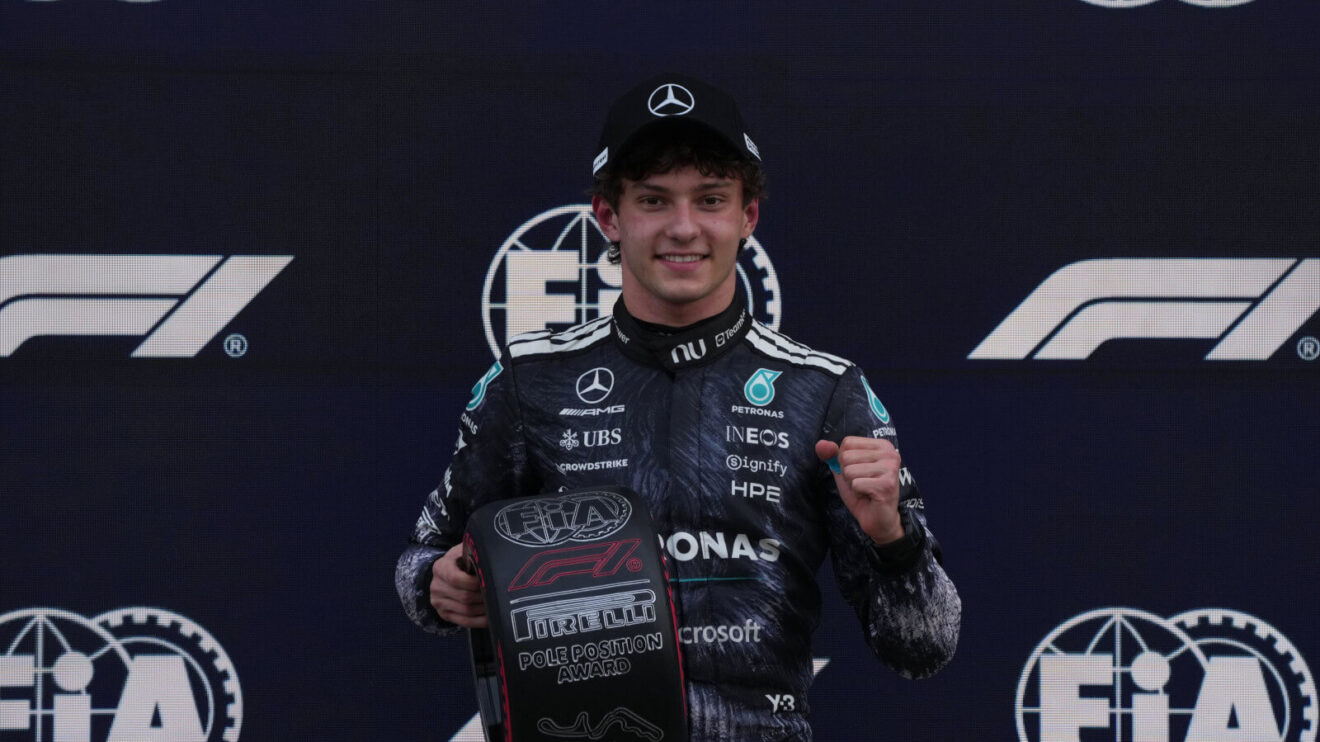
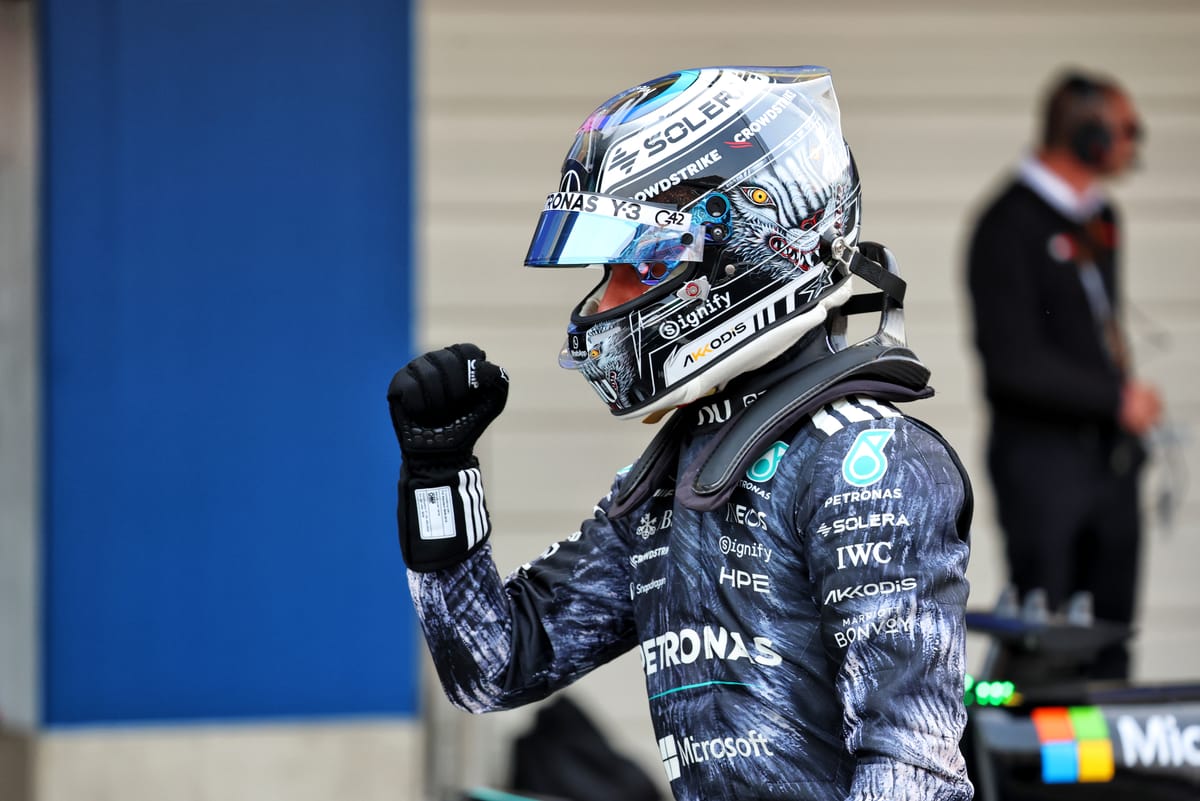
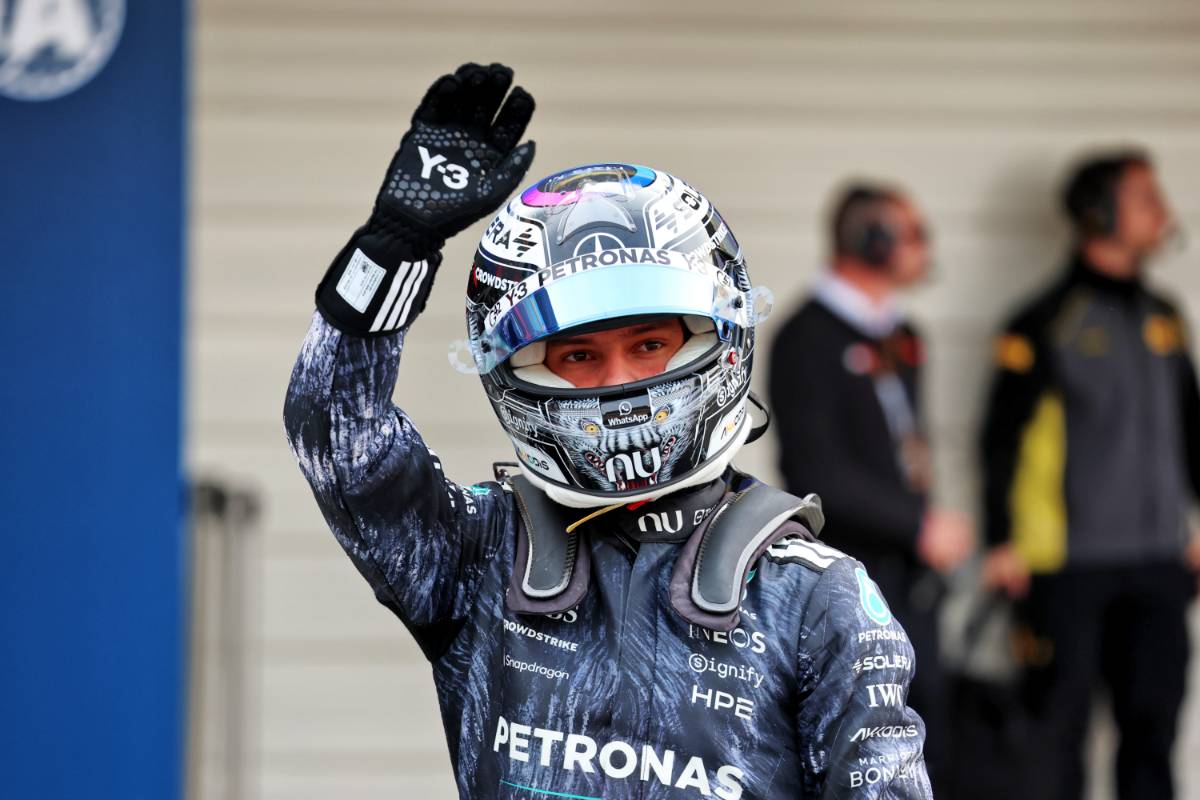
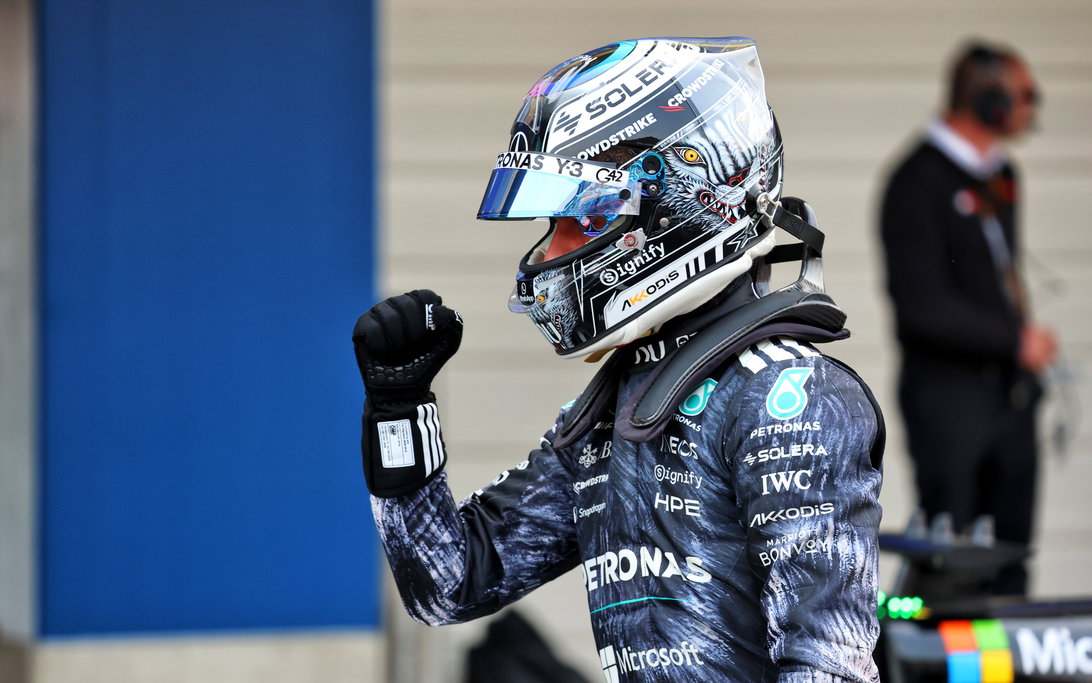
Mercedes rookie Kimi Antonelli took pole position for the Japanese GP, with analysts noting he has outperformed teammate George Russell all weekend. The Italian's confident and consistent form sets up a critical intra-team battle on race day, with just four points separating the two in the standings.
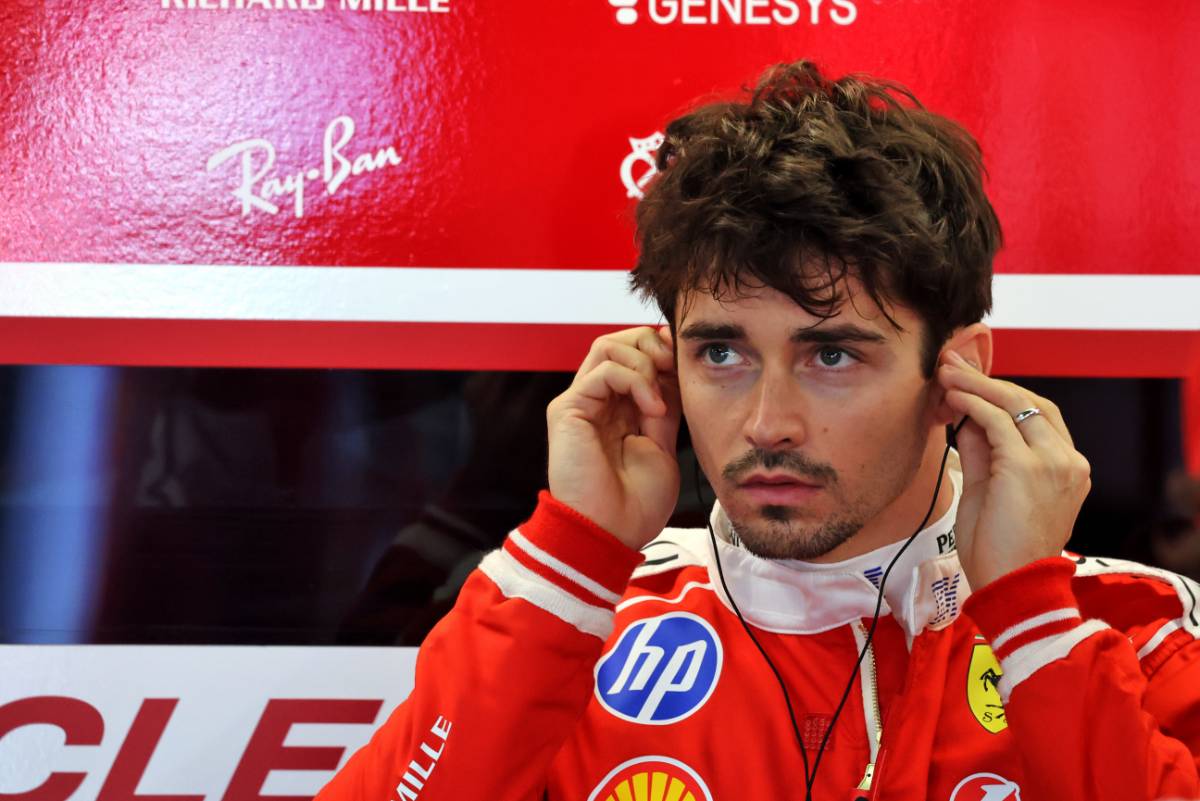
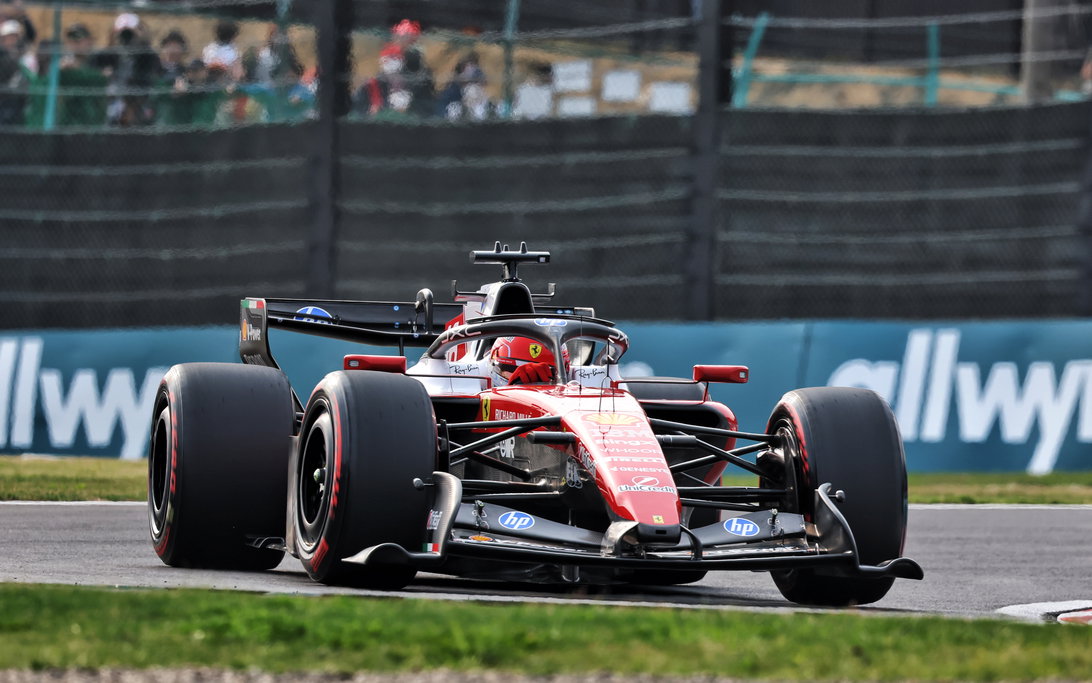
Charles Leclerc says Ferrari's power unit is "exposed" by a frustrating compromise in qualifying, where pushing for a final lap forces a trade-off between cornering speed and straight-line performance. He suggests the issue is worse for Ferrari than for Mercedes-powered rivals, as the FIA explores regulatory options to address the qualifying format's inherent challenges.
Max Verstappen delivered a damning verdict on his Red Bull RB22, calling it 'undriveable' after a shocking Q2 exit at Suzuka. The four-time champion cited unpredictable handling and deeper, unexplained team issues as he was out-qualified by a rookie and his own teammate, signaling a major crisis for the usually dominant outfit.
Max Verstappen suffered a shocking Q2 elimination for the Japanese Grand Prix, labeling his Red Bull car "completely undriveable." The four-time champion expressed he is now "beyond frustration" with the team's ongoing technical issues, as both he and teammate Isack Hadjar qualified outside the top 10, highlighting a severe performance crisis for the reigning champions.
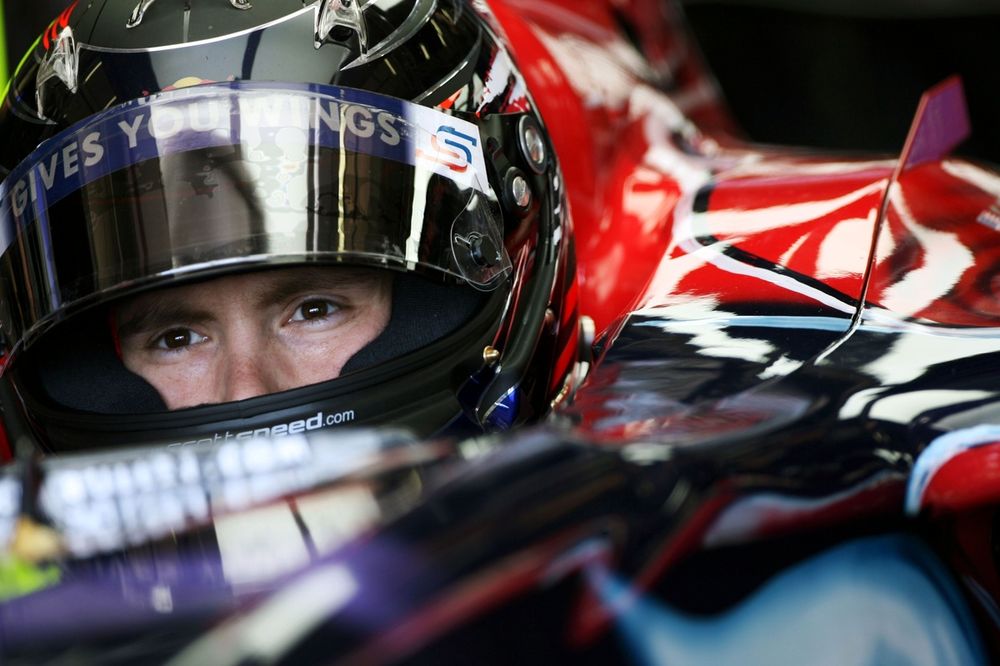
Former Toro Rosso F1 driver Scott Speed candidly discusses the immaturity and lack of professionalism that shortened his Grand Prix career, revealing how a heated argument with team boss Franz Tost led to his immediate replacement by Sebastian Vettel.
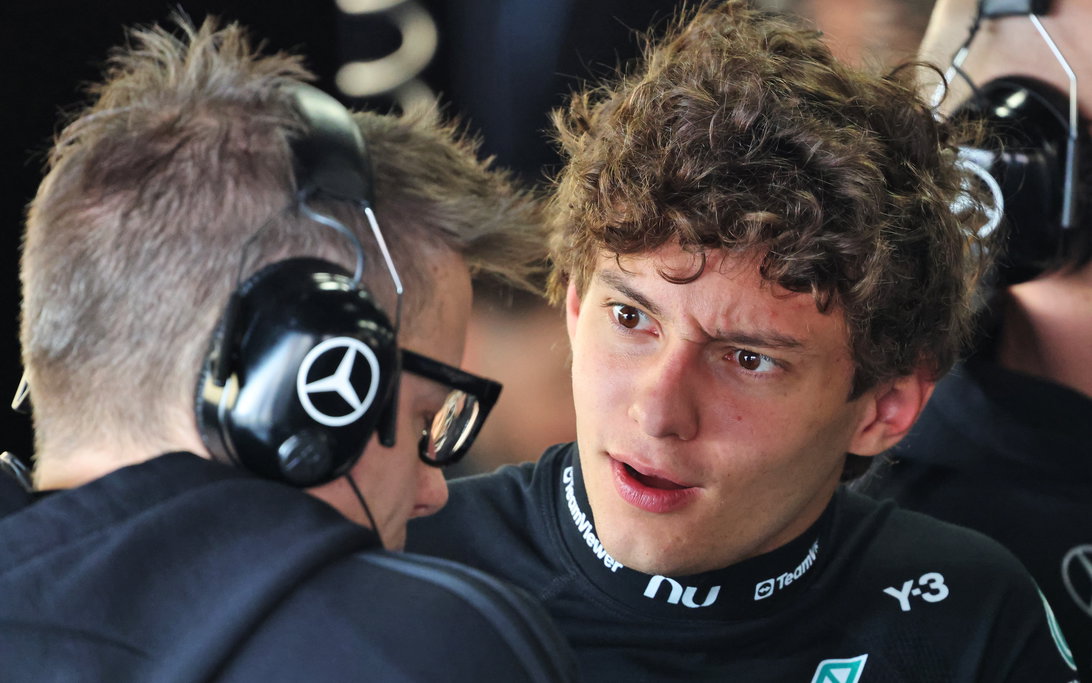
Kimi Antonelli took a dominant pole for Mercedes at the Japanese GP after following a key instruction from his race engineer. Toto Wolff revealed Peter 'Bono' Bonnington told the rookie to "put a banker in" on his first Q3 run—a lap that proved unbeatable and secured the team's first Suzuka pole since 2018.
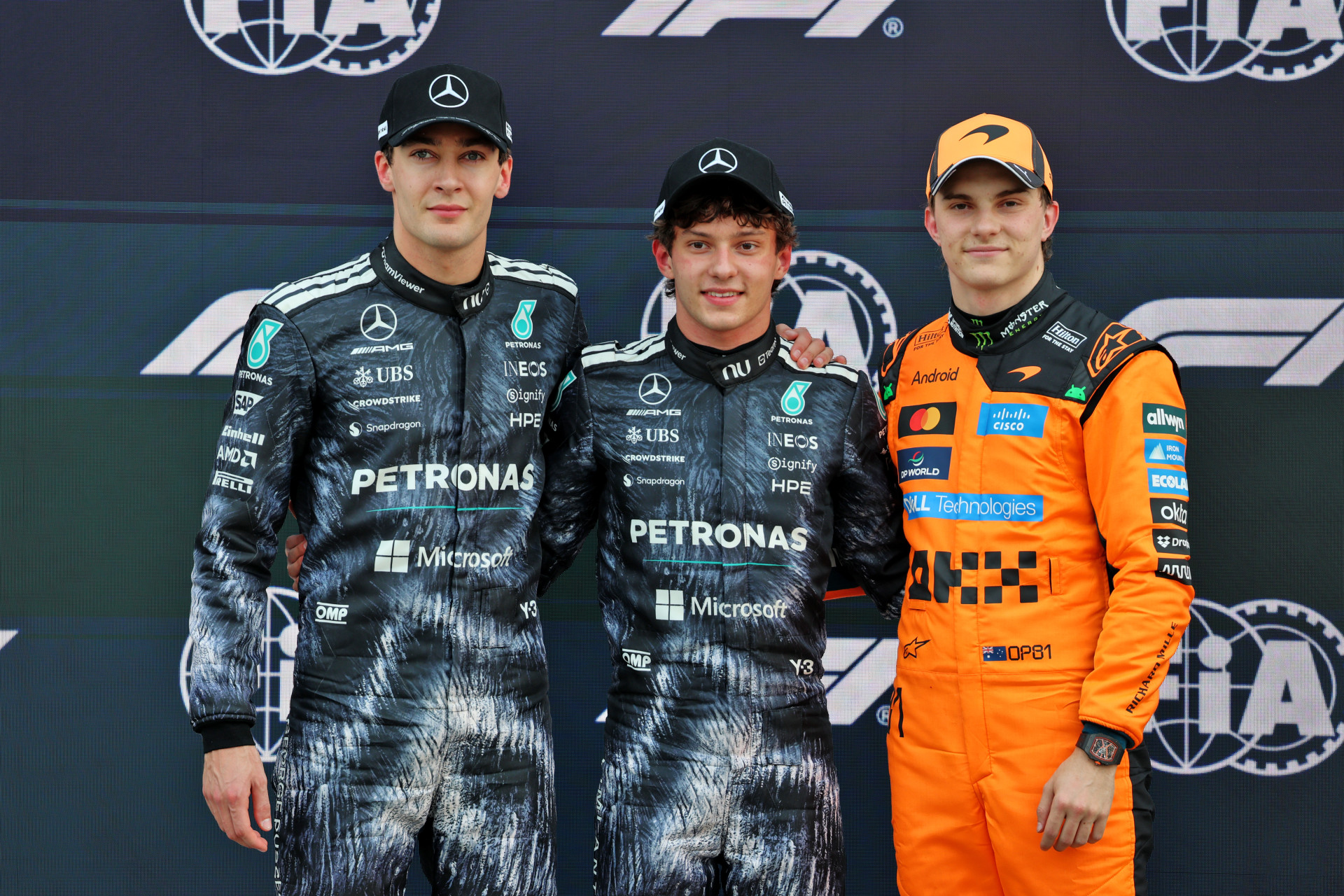
Kimi Antonelli took his second straight F1 pole position, leading a Mercedes 1-2 at the Japanese GP. In a major shock, Max Verstappen failed to reach Q3 and will start 11th in his "undriveable" Red Bull, setting up a dramatic race with the championship leader out of position.
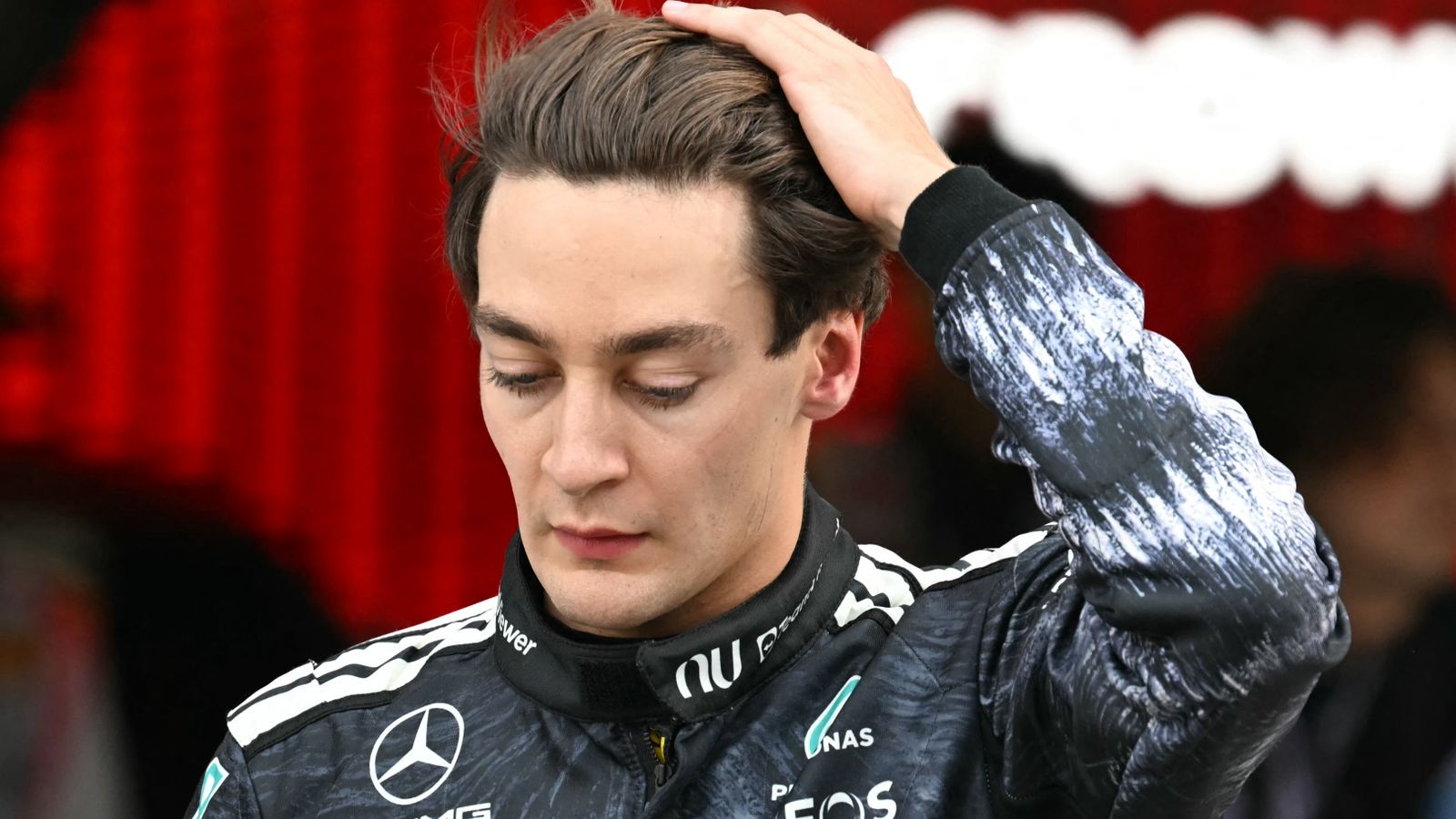
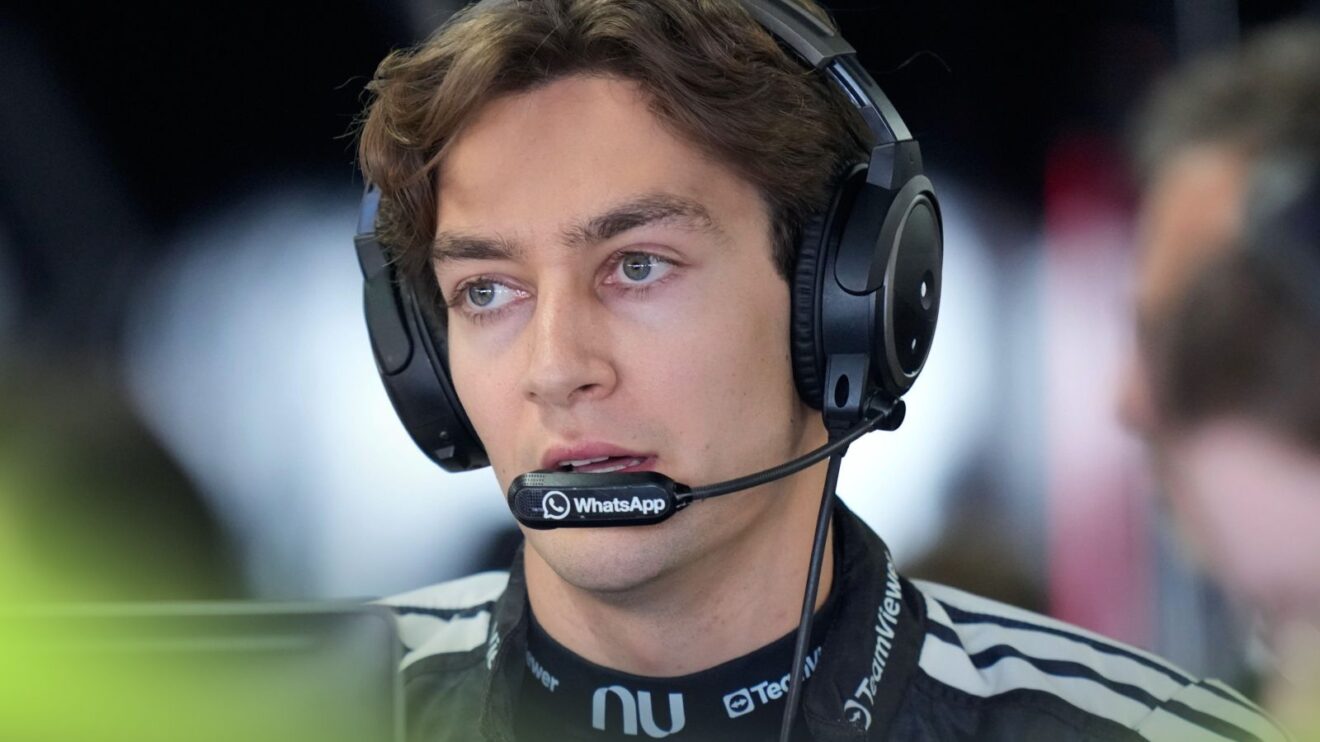
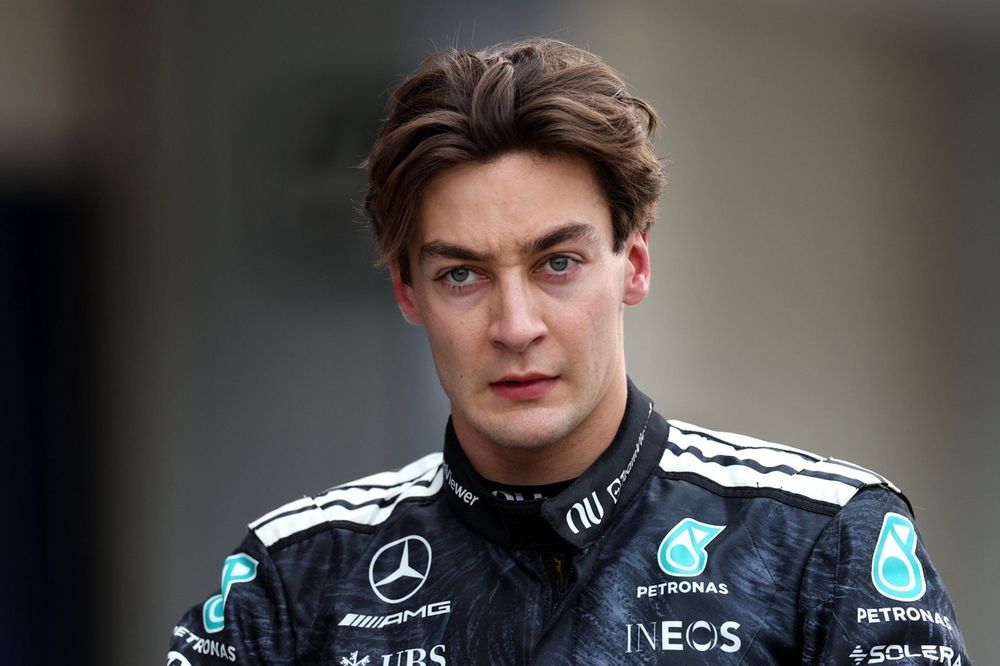
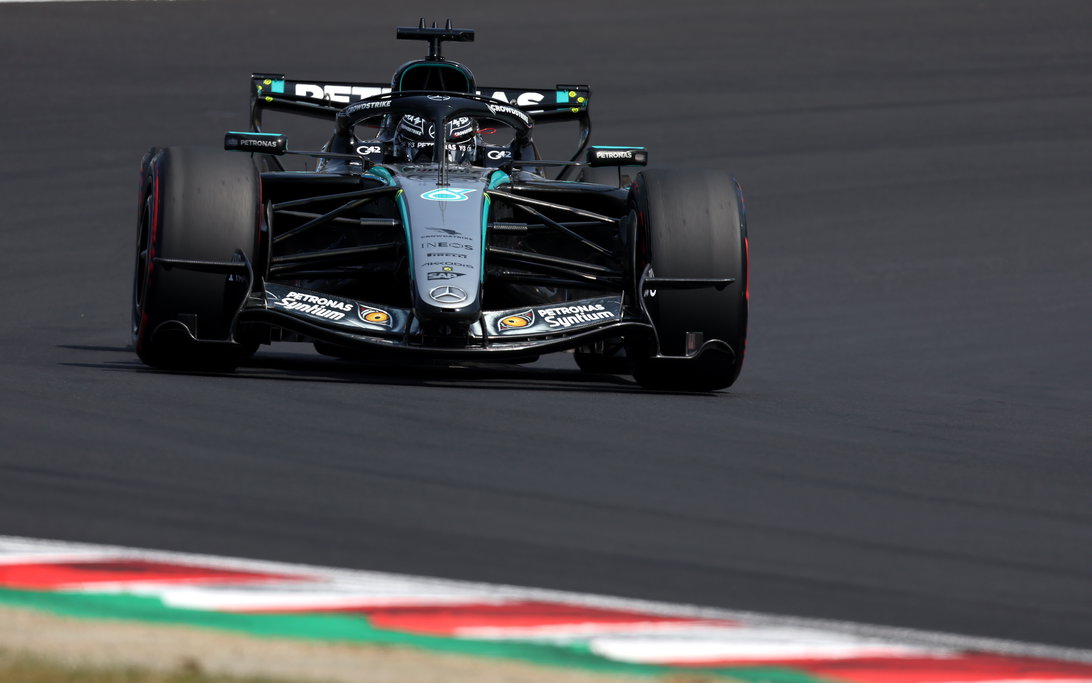
George Russell voiced alarm after a troubled Japanese GP qualifying, stating his Mercedes was initially "nowhere" on pace before recovering to P2. This continues a pattern of Saturday struggles, raising questions about car consistency as he aims to convert race pace into results.
A look at the key themes and strategic implications from a simulated qualifying session for the 2026 Japanese Grand Prix at the challenging Suzuka Circuit, where track evolution and a single perfect lap are paramount.
An analysis of 2025 F1 qualifying data reveals Oscar Piastri leading Lando Norris 3-1 at McLaren, while Lewis Hamilton is in a tight 2-2 battle with Charles Leclerc at Ferrari. Fernando Alonso dominates Lance Stroll 3-0 at Aston Martin, and Pierre Gasly holds a perfect 4-0 record against his Alpine teammate.